

Are 'natural' products better than synthetic ones?
From her organic wildflower meadow just south of Edinburgh, Sally Gouldstone harvests native botanical ingredients such as nettle, yarrow and wild carrot to make her "seed-to-skin" Seilich brand of personal care products. Gouldstone, who has a PhD in nature conservation, knows to leave most of her crop in the field so that bees and other pollinators can use them too. What she does take is transferred to
Gouldstone wasn't satisfied with just telling her customers everything she did was "natural" and "sustainable". Those words seem to be used everywhere – and without evidence to back them up, she felt they could be misused.
Seilich is the UK's first company certified by the Wildlife Friendly Enterprise Network, which means that the brand adheres to species-specific conservation targets. Every certified company's targets will be slightly different depending on the key species in the local area. In Seilich's case, their certification requires them to support native species of wildflower for bumblebees, solitary bees, honeybees, hoverflies, butterflies, moths and beetles.
The Wildlife Friendly Enterprise Network helps to conserve more than 13 million hectares (130,000 sq km) of habitat worldwide, according to Christine Lippai, the executive director of this not-for-profit. They say their certification is the best way to cut through any greenwashing in the natural skincare industry while avoiding foraged ingredients that could leave wild places depleted.
"Nature is often used to sell products in the skincare and wellness industry but sometimes, businesses are simply exploiting nature for commercial benefit," says Gouldstone. "In the case of natural ingredients which are grown as crops, these systems may provide positive ecosystem services for example in supporting biodiversity, sequestering carbon, filtering water and so on, but when it comes to harvest time these benefits are lost in their entirety. For example, stored carbon is released as the soil is disturbed and wildlife habitat is destroyed before the creatures that depend on it have a chance to complete their lifecycle. But with a few tweaks, these systems could provide long-term benefits."
In supermarkets and mainstream online retailers, far beyond the blossoming Seilich field margins, there are an alarming number of mixed messages and conflicting claims that contribute to consumer confusion.
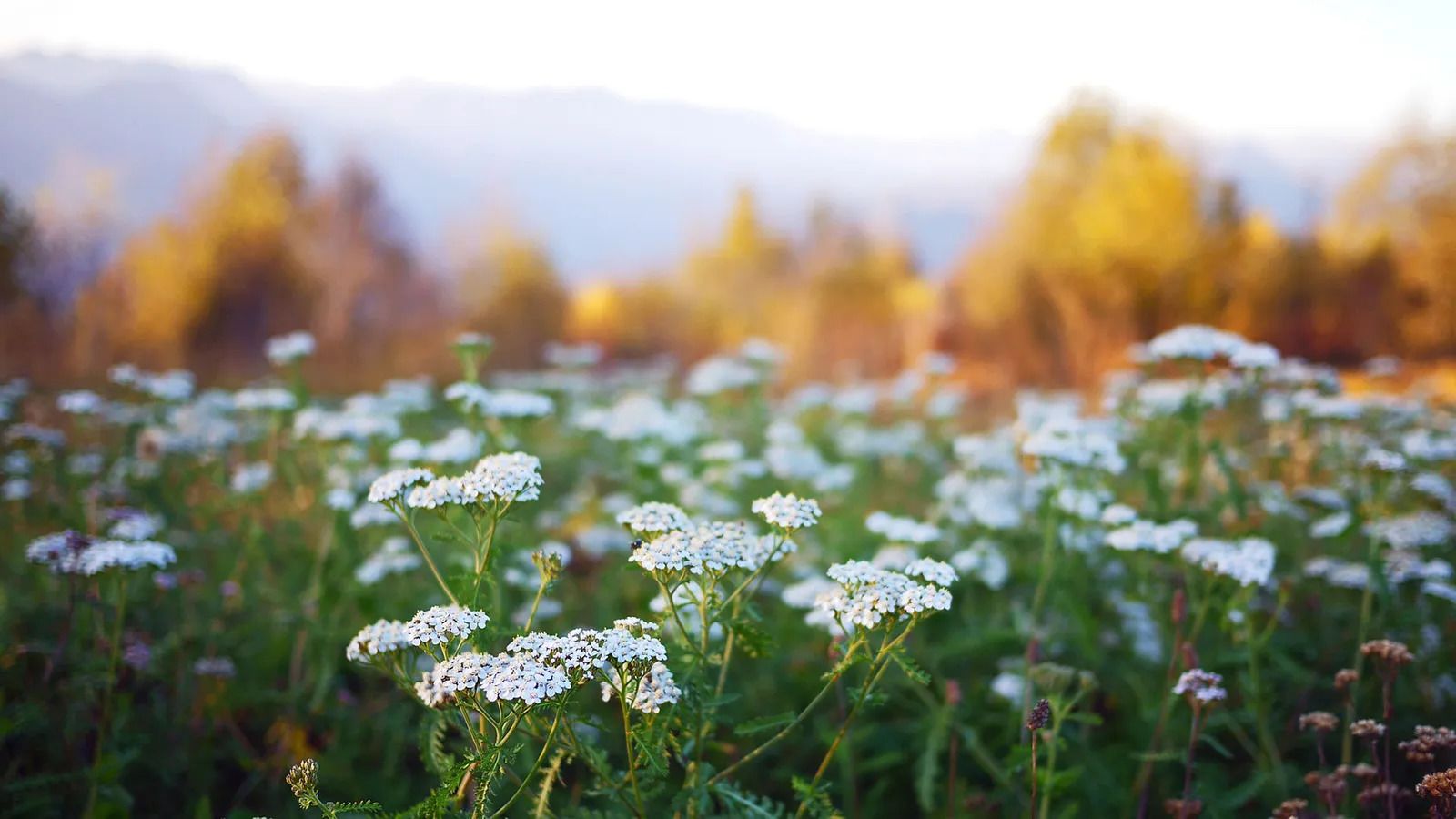 If crops are harvested before the invertebrates that depend on them have completed their lifecycles, any benefits might be lost
If you want to do your bit for biodiversity and the climate, are you better off buying natural products – whose credentials might or might not be questionable – or synthetic ones produced in a factory? The answer is not as clear cut as you may think.
Chemicals that cause harm to human health or to the environment can be found in everyday household products, from cleaning sprays and food packaging to furniture and cookware. Some toxins end up inside our bodies or stay in the soil, water and air that surrounds us for decades and sometimes longer. Some naturally occurring ingredients can have powerful effects on our bodies. Botanicals such as tea tree oil, eucalyptus and rosemary can trigger allergic reactions or skin irritation, and people have varying degrees of sensitivity. Natural products are not necessarily free of harmful chemicals, and synthetics ones are not always worse for us.
In the US, UK and EU, natural and synthetic ingredients must meet the same regulatory requirements, regardless of the source
It can sometimes be confusing to know which products are natural and which are synthetic. One product might contain a mix of natural and synthetic constituents, while some chemicals are processed in order to mimic naturally occurring ones. The degree to which something is natural depends on how it was sourced and processed. Ingredients can be sourced from plants, minerals, marine resources or animals, or synthetically derived from fossil fuels. Then there's a spectrum of modification processes.
Your instinct might be to think naturally occurring ingredients must be better for the environment than synthetics manufactured in a lab. But is that really the case?
Regenerative or organic farming practices used to cultivate natural ingredients can support biodiversity and improve soil health, but, depending on how, when and where something is harvested, it might also increase some greenhouse gas emissions.
Manufacturers of lab-produced synthetics often argue that their methods don't exhaust the planet of its resources and that they're able to produce substances on a larger, more commercially viable scale without limitations from scarce natural ingredients. In some instances, sourcing natural ingredients isn't feasible or ethical. For example, the use of horseshoe crabs as a source for limulus amebocyte lysate (an important compound used for blood tests) has been criticised by campaigners. A synthetically derived but chemically identical alternative is being developed.
Squalane, a natural oil found in the livers of sharks, is used to make cosmetics and personal care products such as deodorants, skincare and sun creams. Another shark oil known as squalene is used as an adjuvant to increase efficacy of some vaccines. The sourcing of these two ingredients threatens shark populations, and alternatives have been derived from olive oil but the availability and price of that supply fluctuates depending on weather-dependent harvests.
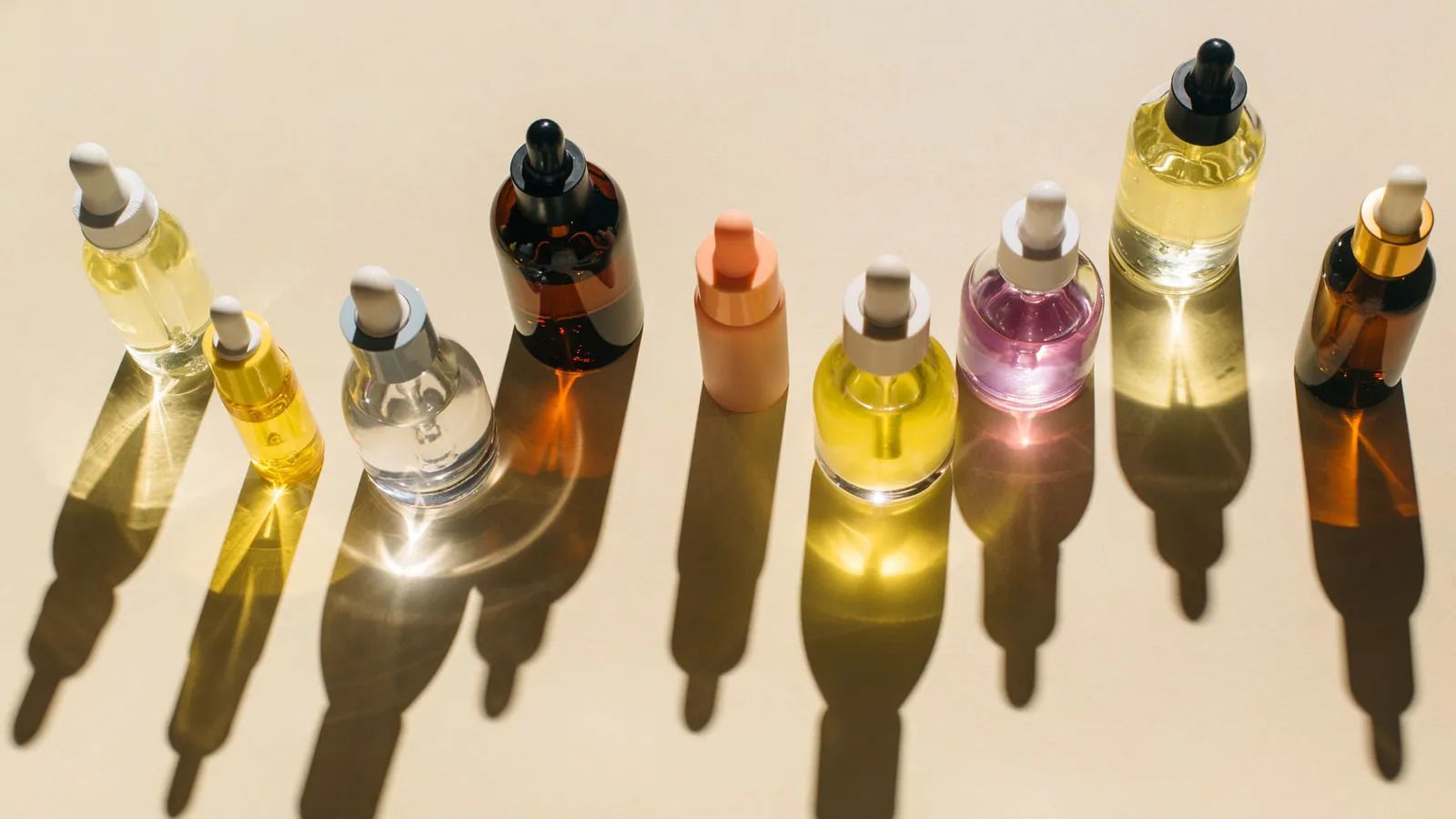 Naturally-sourced products might put greater demands on the environment than a synthetic alternative
Now, there's another solution. Scientists at a Californian biotech company called Amyris have developed pharmaceutical-grade synthetic equivalents made from ethically sourced sugar cane certified by BonSucro. Squalane is "nature's best moisturiser" according to Mike Rytokoski, president of technology access for Amyris, which now produces more than half of the squalane used in beauty products across the world.
Making synthetic squalane using a fermentation-based process guarantees greater purity, a longer shelf life and a more stable price compared to sourcing from sharks or olive trees. "The latest advances in biotechnology enable us to meet the growing demand for clean, sustainable ingredients not by depleting scarce natural resources, but through the creation of bio-identical ingredients through clean chemistry," said Rytokoski who expects green biotech to transform the beauty industry over the coming decade. "The most powerful driver for this transition [to greener chemistry solutions] is the consumer," he added. "Today's consumers are looking for products made with ingredients that are safer, more sustainable, ethically sourced and don't compromise on performance."
Another case in point is Indian sandalwood, a fragrance used in beauty products. Each sandalwood tree takes 30 years to reach full maturity before its essential oil can be harvested, and overharvesting puts this plant at risk of extinction. In the lab, Amyris has created a more affordable and bio-identical sandalwood molecule from widely abundant sugarcane using fermentation technology.
But the majority of synthetic chemicals are made at scale in factories from fossil fuels using energy-intensive processes creating hazardous waste and toxic emissions. The chemicals industry is the production sector that uses the most energy in the world, resulting in vast greenhouse gas emissions which fuel the climate crisis. Petrochemicals are used to make everything from packaging and clothing to laundry detergents and fertiliser. Plastics are made from petrochemicals too and 98% of single-use plastics are manufactured from fossil fuels.
Green chemist Richard Blackburn produces cosmetics, haircare and skincare ranges for his brand Dr Craft which are made from an untapped resource – food waste. The products are created using an energy-efficient and toxin-free extraction process. In his lab at the University of Leeds, the professor of sustainable materials designs mandarin cleansers using dried leftover peel from China's favourite fruit, bodycare products made with grape skin extracts or hair toners made with left over blackcurrent skins from British drink manufacturer Ribena. But, as Blackburn explained, natural isn't automatically better: "Dedicating lots of land to growing crops to make cosmetics is a terrible idea; we should be feeding the world first. But while we're making food, there are great resources. So it's about looking for sustainable sources and interesting chemistries that reliably demonstrate an activity that we can put into a material."
Dedicating lots of land to growing crops to make cosmetics is a terrible idea; we should be feeding the world first – Richard Blackburn
Blackburn says that many people can be left feeling confused by chemical terms, but shouldn’t be. "Nature is doing chemistry all the time. Instead of being frightened of chemistry, people should be frightened of what the full lifecycle issues are." In the case of mandarins, 10 million tonnes of peel get incinerated every year. The processes he uses makes the remaining peel biodegradable so it's a win-win.
Every formulation is a compromise between price, effectiveness, aesthetics, performance and ethics. It's a trade-off in which the environment often loses out. "If your hero ingredient has got a great sustainability story, don't then let the rest of your product be the same old rubbish we've been using forever," says Blackburn, who designs the whole range with that in mind.
What's best for us isn't always what's best for the planet. We need to start thinking about the environmental footprints of every ingredient at a deeper level – Sally Gouldstone
Quality control is a priority in terms of safety too. The Dr Craft team looks at every extraction in great detail using state-of-the-art chemical analysis. "When we extract an ingredient from mandarin peel, for example, we know how much of it we have got in the extract, but at the same time we don't want to unintentionally concentrate another ingredient that might occur naturally that then causes a problem," says Blackburn. "So we test it to make sure we’re not including anything we don't want as well. We're combining world-class chemical analytical facilities and knowledge with sustainability principles in a cosmetic lab."
By designing out waste, finding regenerative solutions and developing sustainable alternatives, pioneers like Gouldstone, Rytokoski and Blackburn are leading the way towards a more circular economy based on chemical ingredients that are good for us and beneficial to the environment.
Back in Scotland, Gouldstone explained that for decades, the consumption narrative has focused on negative human impacts. She insists that we can have a positive and regenerative impact: "Seilich shows that's possible. Because the plants we grow are native, they grow easily so it's really low-input farming that's absolutely scalable."
Gouldstone adds the debate between synthetics and natural ingredients ultimately depends on finding a balance between human health and the health of the environment. "Those are not the same thing. What's best for us isn't always what's best for the planet. We need to start thinking about the environmental footprints of every ingredient at a deeper level."