Arab Press

بالشعب و للشعب
Thursday, Dec 04, 2025

China and NASA are racing to the moon. Side-by-side photos hint NASA has the edge, but China's secrecy makes the race hard to call.

China and NASA are racing to the moon. Side-by-side photos hint NASA has the edge, but China's secrecy makes the race hard to call.

NASA and China each just launched landmark missions in their efforts to put astronauts back on the moon. The spaceflights are very different.

China and NASA are racing toward the moon, each vying for the first human moon landing since 1972. Two recent launches show that NASA may have the edge, but there is no clear winner yet.
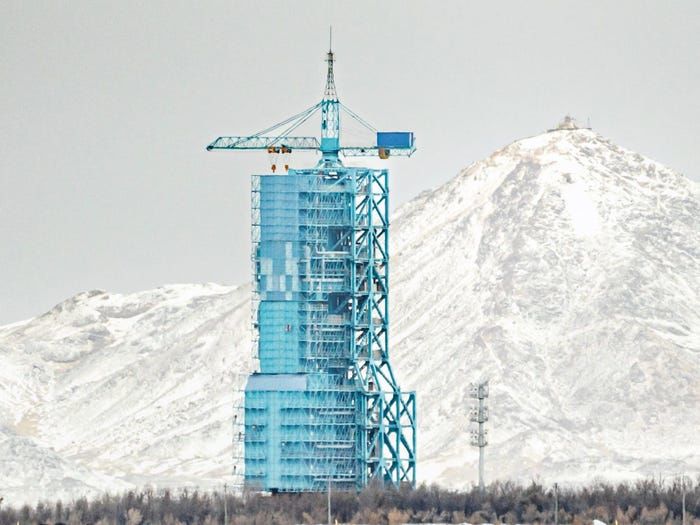
A Long March-2F rocket carrying China's Shenzhou-15 mission stands at Jiuquan Satellite Launch Center in Gansu Province of China.
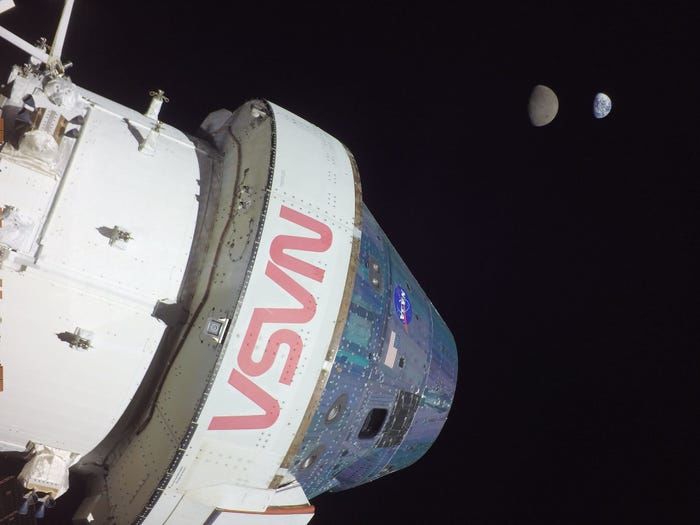
NASA just launched its new lunar rocket for the first time on November 15, carrying the Orion spaceship, designed to ferry astronauts on future moon missions. Now Orion is circling the moon, uncrewed, in a test flight to ensure it can safely take human passengers next time.

Orion, the moon, and Earth as the spaceship reaches its farthest point from our planet.


China, meanwhile, launched a new crew of taikonauts (Chinese astronauts) toward its new space station on Tuesday. The rocket roared through the Gobi Desert skies, past a quarter-full moon looming low on the horizon.

China built the Tiangong station over the last year and a half, and just completed it in October. This launch establishes the beginning of regular rotations of taikonauts staffing the orbiting laboratory.

The International Space Station, top, and an illustration of China's Tiangong space station, bottom.


While NASA is testing its moon hardware in lunar orbit, China is stuck firmly in Earth's orbit. Chinese officials say their space station is a crucial step toward the moon, and they're developing the hardware for a lunar landing. With the limited information China has shared about its lunar program, it's hard to assess how close it is behind NASA.


NASA's chief sees China as an 'aggressive competitor' for the moon
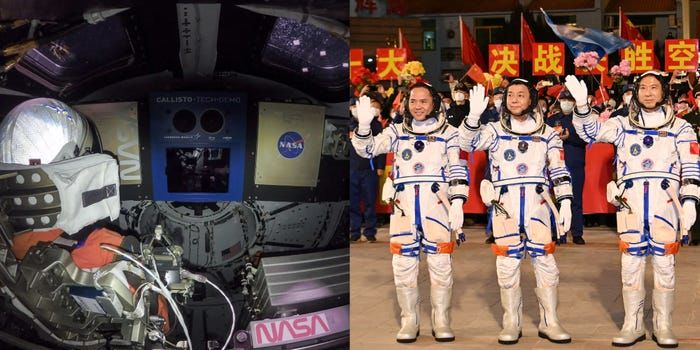
A mannequin is onboard NASA's Orion spaceship, left, while China's launch sends three taikonauts, right, to its space station.


On paper, NASA is aiming to land its astronauts on the moon's south pole by 2025, but many experts and the agency's Inspector General say that timeline is unrealistic.

China could land its own people on the moon by 2030, Chinese lunar program designer and engineer Ye Peijian told state broadcaster CCTV in November 2021, according to Andrew Jones, the leading English-language journalist covering Chinese space programs.

The secrecy of China's lunar program makes it difficult for outside analysts to assess that timeline, but NASA's chief has expressed a sense that the race is tight.

"We have every reason to believe that we have a competitor, a very aggressive competitor, in the Chinese going back to the moon with taikonauts," Bill Nelson, NASA's administrator, said in a press briefing in November 2021.

"It's the position of NASA and, I believe, the United States government that we want to be there first, back on the moon after over a half-century," he added.
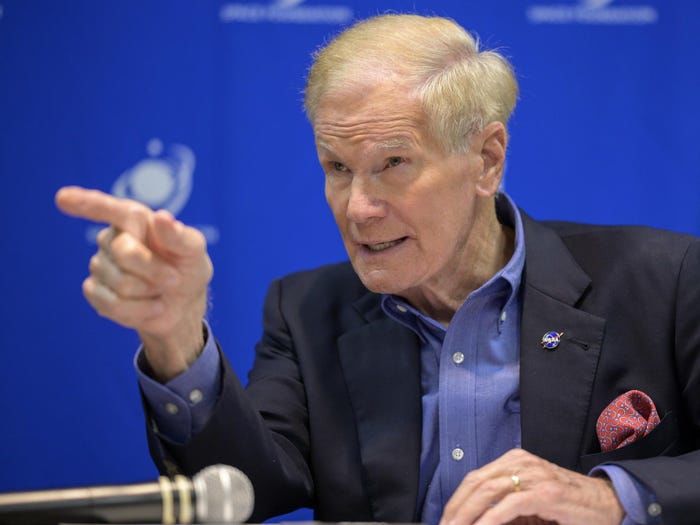
Administrator Bill Nelson said NASA wants to get to the moon before China.


Nelson, other Congress members, and past NASA administrators have previously pointed to China's ambitions in space as cause for concern, and a reason to increase NASA funding.

"The Chinese space program is increasingly capable of landing Chinese taikonauts much earlier than originally expected, but whatever," Nelson said, adding, "We are going to be as aggressive as we can be in a safe and technically feasible way to beat our competitors with boots on the moon."


Base-building on the moon is groundwork for the bigger space race: Mars
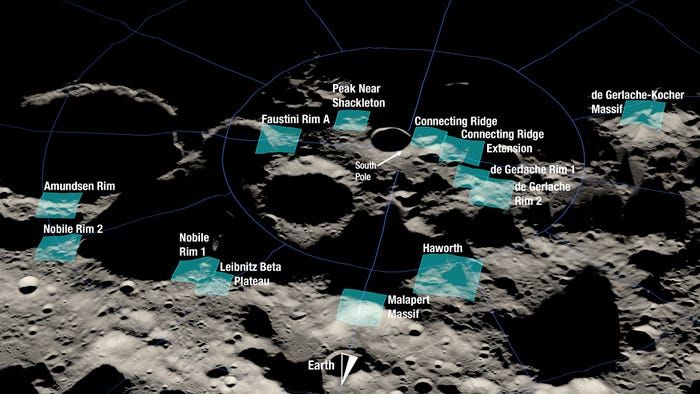
NASA has identified these 13 regions as potential targets for its next human moon landing.


China and NASA have identified some of the same target landing sites on the lunar south pole, Jones reported.

Both have long-term plans to construct permanent stations on the lunar surface, and they're building coalitions to work with other nations there — but not with each other.

The south pole of the moon could become especially valuable real estate, since it seems to hold much of the moon's water. That will be a critical resource for space programs that plan to send astronauts from the moon to Mars — as NASA plans — since they can break the water down into hydrogen and oxygen for rocket fuel.

Mars is the tighter space race, according to Doug Loverro, NASA's former associate administrator.

"If the target is to land on the moon and back, clearly the US is going to beat China. There's no question about it," Loverro told CNN. "But if the target is landing the first humans on Mars, the answer is a lot less certain."

Newsletter

Related Articles

Arab Press
0:00
0:00
Close
As Trump Deepens Ties with Saudi Arabia, Push for Israel Normalization Takes a Back Seat
Thai Food Village Debuts at Saudi Feast Food Festival 2025 Under Thai Commerce Minister Suphajee’s Lead
Saudi Arabia Sharpens Its Strategic Vision as Economic Transformation Enters New Phase
Saudi Arabia Projects $44 Billion Budget Shortfall in 2026 as Economy Rebalances
OPEC+ Unveils New Capacity-Based System to Anchor Future Oil Output Levels
Hong Kong Residents Mourn Victims as 1,500 People Relocated After Devastating Tower Fire
Saudi Arabia’s SAMAI Initiative Surpasses One-Million-Citizen Milestone in National AI Upskilling Drive
Saudi Arabia’s Specialty Coffee Market Set to Surge as Demand Soars and New Exhibition Drops in December
Saudi Arabia Moves to Open Two New Alcohol Stores for Foreigners Under Vision 2030 Reform
Saudi Arabia’s AI Ambitions Gain Momentum — but Water, Talent and Infrastructure Pose Major Hurdles
Tensions Surface in Trump-MBS Talks as Saudi Pushes Back on Israel Normalisation
Saudi Arabia Signals Major Maritime Crack-Down on Houthi Routes in Red Sea
Italy and Saudi Arabia Seal Over 20 Strategic Deals at Business Forum in Riyadh
COP30 Ends Without Fossil Fuel Phase-Out as US, Saudi Arabia and Russia Align in Obstruction Role
Saudi-Portuguese Economic Horizons Expand Through Strategic Business Council
DHL Commits $150 Million for Landmark Logistics Hub in Saudi Arabia
Saudi Aramco Weighs Disposals Amid $10 Billion-Plus Asset Sales Discussion
Trump Hosts Saudi Crown Prince for Major Defence and Investment Agreements
Families Accuse OpenAI of Enabling ‘AI-Driven Delusions’ After Multiple Suicides
Riyadh Metro Records Over One Hundred Million Journeys as Saudi Capital Accelerates Transit Era
Trump’s Grand Saudi Welcome Highlights U.S.–Riyadh Pivot as Israel Watches Warily
U.S. Set to Sell F-35 Jets to Saudi Arabia in Major Strategic Shift
Saudi Arabia Doubles Down on U.S. Partnership in Strategic Move
Saudi Arabia Charts Tech and Nuclear Leap Under Crown Prince’s U.S. Visit
Trump Elevates Saudi Arabia to Major Non-NATO Ally Amid Defense Deal
Trump Elevates Saudi Arabia to Major Non-NATO Ally as MBS Visit Yields Deepened Ties
Iran Appeals to Saudi Arabia to Mediate Restart of U.S. Nuclear Talks
Musk, Barra and Ford Join Trump in Lavish White House Dinner for Saudi Crown Prince
Lawmaker Seeks Declassification of ‘Shocking’ 2019 Call Between Trump and Saudi Crown Prince
US and Saudi Arabia Forge Strategic Defence Pact Featuring F-35 Sale and $1 Trillion Investment Pledge
Saudi Sovereign Wealth Fund Emerges as Key Contender in Warner Bros. Discovery Sale
Trump Secures Sweeping U.S.–Saudi Agreements on Jets, Technology and Massive Investment
Detroit CEOs Join White House Dinner as U.S.–Saudi Auto Deal Accelerates
Netanyahu Secures U.S. Assurance That Israel’s Qualitative Military Edge Will Remain Despite Saudi F-35 Deal
Ronaldo Joins Trump and Saudi Crown Prince’s Gala Amid U.S.–Gulf Tech and Investment Surge
U.S.–Saudi Investment Forum Sees U.S. Corporate Titans and Saudi Royalty Forge Billion-Dollar Ties
Elon Musk’s xAI to Deploy 500-Megawatt Saudi Data Centre with State-backed Partner HUMAIN
U.S. Clears Export of Advanced AI Chips to Saudi Arabia and UAE Amid Strategic Tech Partnership
xAI Selects Saudi Data-Centre as First Customer of Nvidia-Backed Humain Project
President Trump Hosts Saudi Crown Prince Mohammed bin Salman in Washington Amid Strategic Deal Talks
Saudi Crown Prince to Press Trump for Direct U.S. Role in Ending Sudan War
Trump Hosts Saudi Crown Prince: Five Key Takeaways from the White House Meeting
Trump Firmly Defends Saudi Crown Prince Over Khashoggi Murder Amid Washington Visit
Trump Backs Saudi Crown Prince Over Khashoggi Killing Amid White House Visit
Trump Publicly Defends Saudi Crown Prince Over Khashoggi Killing During Washington Visit
President Donald Trump Hosts Saudi Crown Prince Mohammed bin Salman at White House to Seal Major Defence and Investment Deals
Saudi Arabia’s Solar Surge Signals Unlikely Shift in Global Oil Powerhouse
Saudi Crown Prince Receives Letter from Iranian President Ahead of U.S. Visit
Saudi Arabia’s Crown Prince Begins Washington Visit to Cement Long-Term U.S. Alliance
Saudi Crown Prince Meets Trump in Washington to Deepen Defence, AI and Nuclear Ties
×