

'Delay means death': We're running out of ways to adapt to the climate crisis, new report shows. Here are the key takeaways
The UN-backed report, based on years of research from hundreds of scientists, found that the impacts from human-caused climate change were larger than previously thought. The report's authors say these impacts are happening much faster and are more disruptive and widespread than scientists expected 20 years ago.
The authors point to enormous inequities in the climate crisis, finding that those who contribute the least to the problem are the worst affected, and warn of irreversible impacts if the world exceeds 1.5 degrees Celsius of global warming.
UN Secretary-General António Guterres called the report "an atlas of human suffering and a damning indictment of failed climate leadership," and he warned that "delay means death."
"The facts are undeniable. This abdication of leadership is criminal," Guterres said in a statement. "The world's biggest polluters are guilty of arson of our only home."
He also said that "current events" showed the world was too reliant of fossil fuels, calling them "a dead end," in an apparent reference to the Ukraine conflict and energy crisis.
Here are the report's key takeaways:
Warming beyond 1.5 degrees could have irreversible consequences
Scientists have warned for decades warming needs to stay below 1.5 degrees Celsius above preindustrial levels.
Monday's report, from the UN Intergovernmental Panel on Climate Change (IPCC), showed if that limit is breached, some changes will be irreversible for hundreds — if not thousands — of years. And some changes may be permanent, even if the planet cools back down.
The world is already 1.1 degrees Celsius warmer than before industrialization, according to the IPCC's estimate, which is considered conservative. We are now rapidly barreling toward 1.5 degrees.
Greenhouse gas emissions will push warming to 1.5ºC
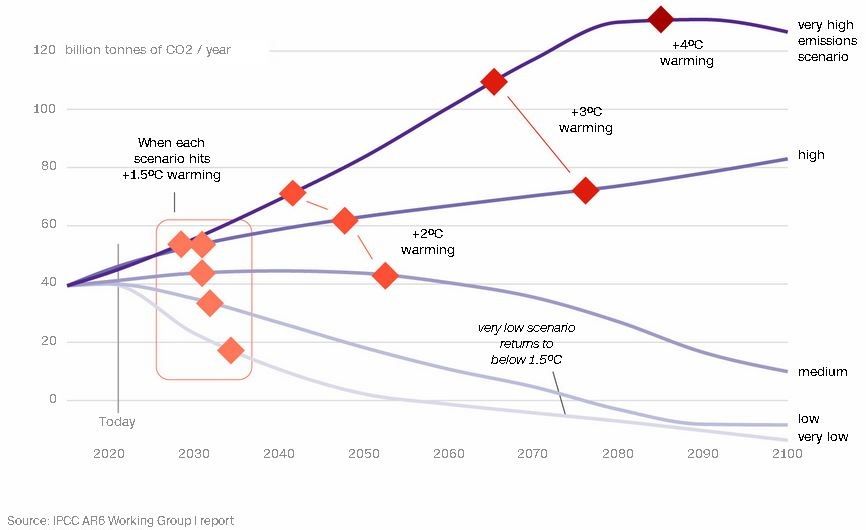
The world is on track to warm at least 1.5º Celsius above pre-industrial levels in five scenarios considered in the IPCC report. Only the lowest emission scenario, in which carbon dioxide emissions decline to net zero around 2050, would eventually bring the planet below this key mark.
With every extreme event, ecosystems are being pushed more toward so-called tipping points beyond which irreversible changes can happen, according to the report.
At warming of 2 degrees, for example, as many as 18% of all land species will be at high risk of extinction, according to the report. At 4 degrees, 50% of species are threatened.
"There are many challenges already with 1.5 degrees for several systems that we know about," said Hans-Otto Pörtner, a co-chair on the report and a scientist at the Alfred Wegener Institute Helmholtz Centre for Polar and Marine Research.
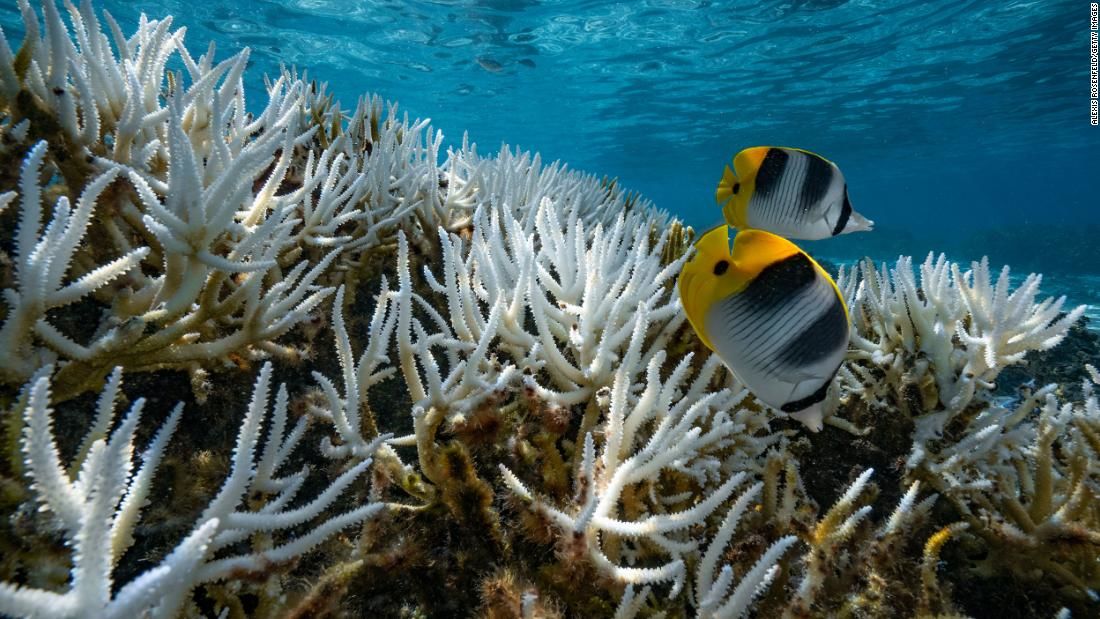
"Clearly for coral reefs, we must say that in many locations, they are already beyond tipping points. They are on the downslide."
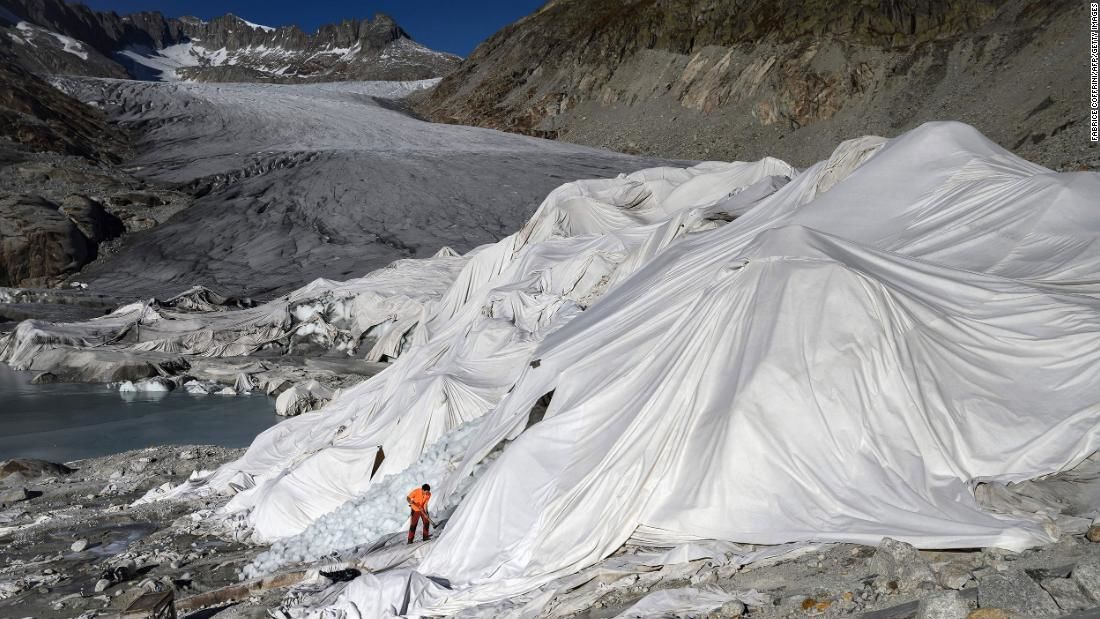 A man works in the Swiss Alps at the Rhone Glacier in October 2021,
which is partially covered with insulating foam to prevent it from
melting due to global warming.
A man works in the Swiss Alps at the Rhone Glacier in October 2021,
which is partially covered with insulating foam to prevent it from
melting due to global warming.
Highly vulnerable ecosystems in the Arctic, mountains and on the coasts are at the greatest risk to these changes, the authors say. Ice sheet and glacier melt will cause accelerated sea level rise, irreversible for centuries.
Forests, peatlands and permafrost — places where greenhouse gas is naturally stored — risk being pushed into a situation where they are emitting those gases into the atmosphere, causing even more warming.
We're running out of ways to adapt
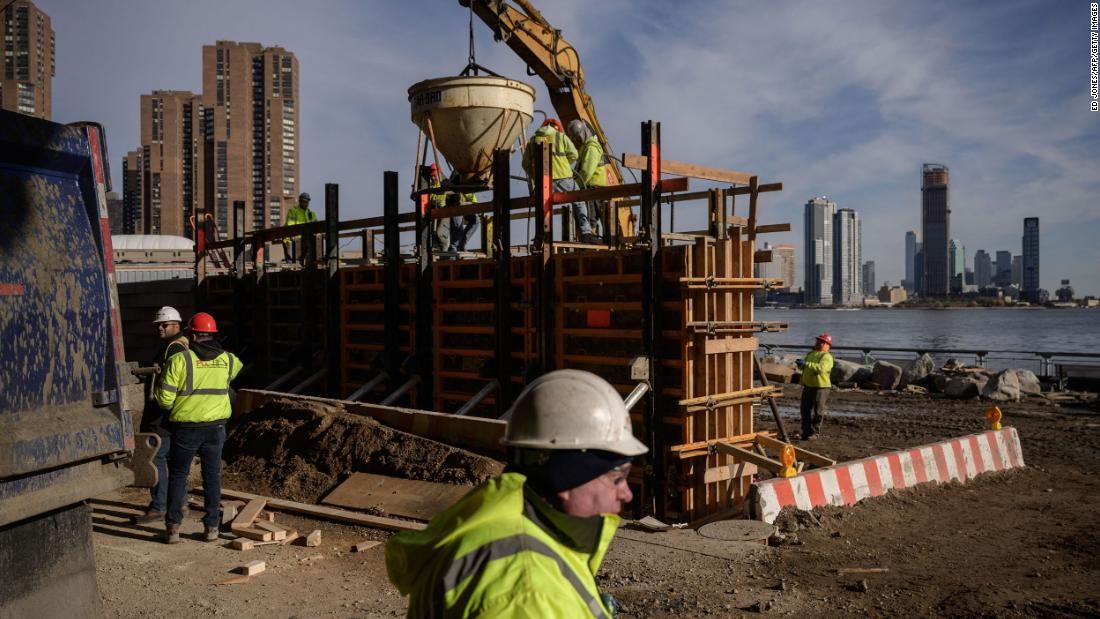
"Adaptation" is finding ways to live with the change — like putting up walls to ward off sea level rise or implementing new building codes to ensure homes can withstand more extreme weather.
Scientists note some of our adaptations have blunted the impact of the climate crisis so far, but they are not adequate in the long-term. Our options to adapt will become even more limited at 1.5 degrees.
And although the natural world has adapted to changing climates over millions of years, the pace of human-caused global warming is pushing many of the planet's most critical systems — like rainforests, coral reefs and the Arctic — to the brink. More extreme weather doesn't just affect humans, it is causing mass die-offs in plants and animals.
Population growth and development, which has not been carried out with long-term adaptation in mind, are also luring people into harm's way. As many as 3.6 billion people live in places already highly vulnerable to climate hazards, some of which will increase beyond the ability to adapt once the planet hits the 1.5-degree mark.
A lot of the world's resources, particularly international finance, goes toward reducing greenhouse emissions, which is known as mitigation. At the COP26 climate talks in Glasgow, Scotland, last year, developing nations complained that the rich world was failing to help adequately fund adaptation in their countries.
"We have seen that the vast majority of climate finance goes towards mitigation rather than adaptation," said Adelle Thomas, an author on the report and a climate scientist at the University of the Bahamas. "So although adaptation is taking place, there is not enough funding, and it is not a high priority, which are then leading to these limits."
Up to 3 billion people will experience 'chronic water scarcity'
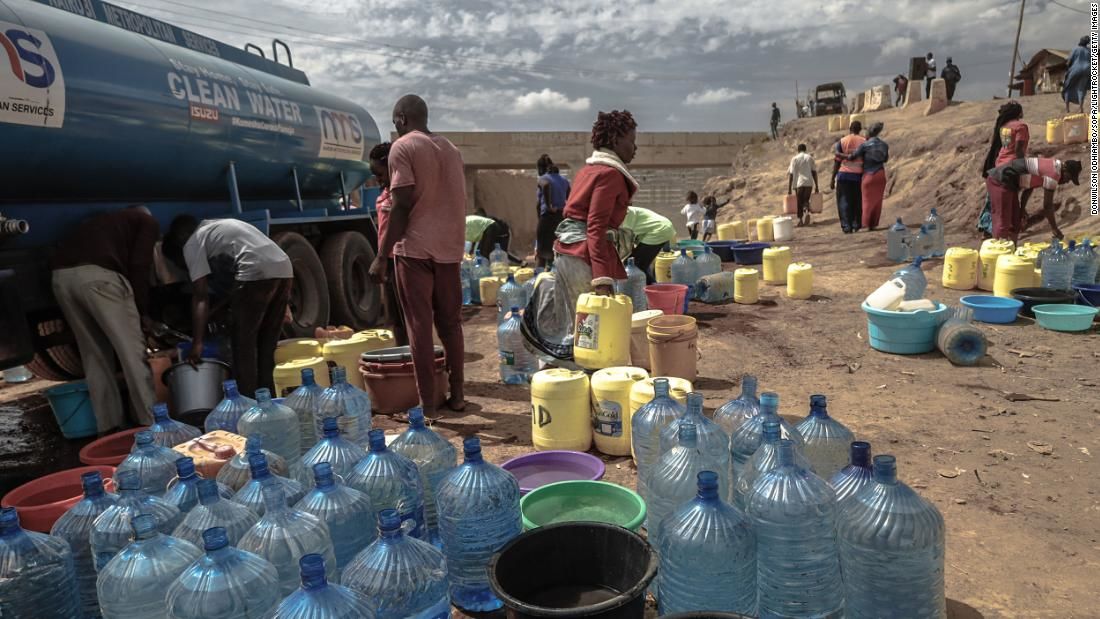
Around half of the world's population experiences severe water scarcity each year in part due to climate-related factors, the report showed. Water will become even more scarce at higher global temperatures.
At 2 degrees of warming — which scientists predict the planet will reach by midcentury — as many as three billion people around the world will experience "chronic water scarcity," according to the report. It increases to four billion people at 4 degrees.
Water shortages will put enormous pressure on food production and increase the world's already dire food-security challenges.
A water crisis is already brewing in the Western United States. Multiyear drought has drained reservoirs and triggered unprecedented water cuts for the region. Lake Mead, the country's largest reservoir, plunged to record lows in recent months, threatening water supply for tens of millions of people.
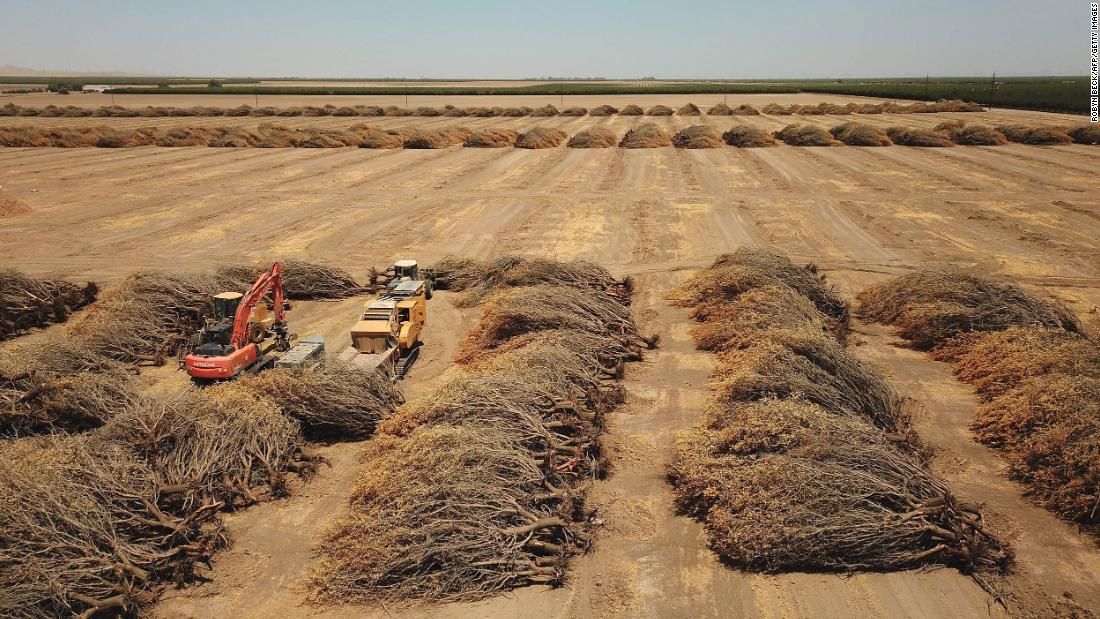
Most of the Middle East is experiencing high levels of water stress, expected to worsen the more the Earth warms, raising questions over how long those parts of the region will remain inhabitable. Vast swaths of Africa have also struggled in recent years with prolonged drought.
The report focuses on the interconnectedness between the Earth's ecosystems and humans, including how the climate crisis is altering water resources.
"What we really wanted to show is that ecosystems and all sectors of human society and human well-being fundamentally depends on water," Tabea Lissner, a scientist at Climate Analytics and an author on the report, told CNN. "And it's not just the water resource itself that plays an important role in water security, but also what form and in what quality we can access it, and really showing how many different ways climate change really affects humans and ecosystems through various channels."
The people who are least responsible are the most affected
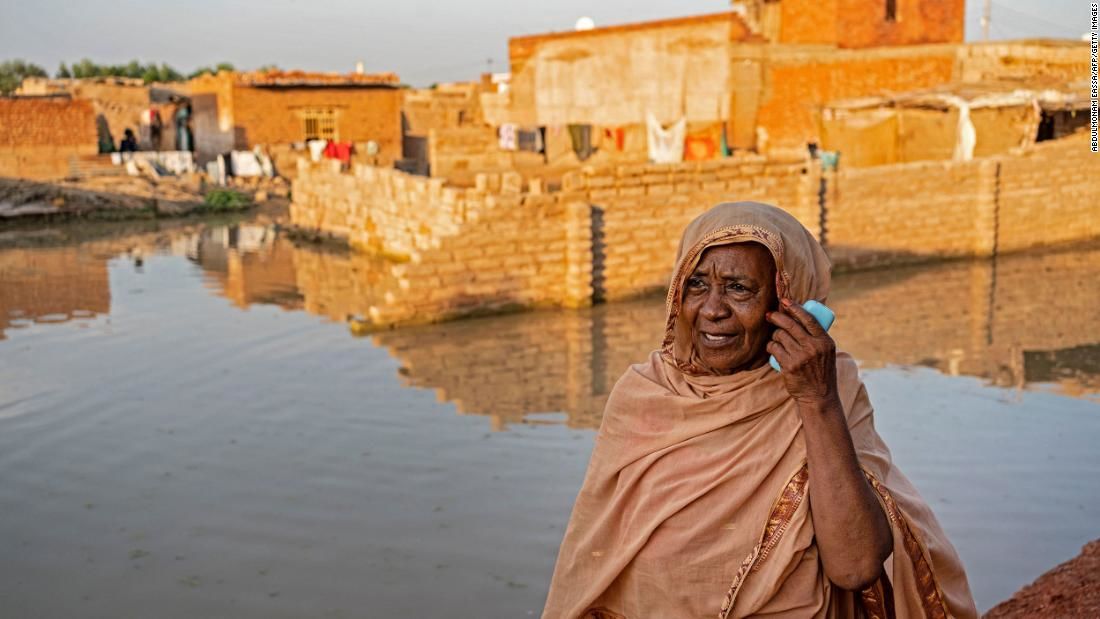
The countries that emit the least planet-warming gases, mainly those in the Global South and island territories, tend to be the ones disproportionately harmed by climate hazards, the report showed.
"We live in an unequal world," Eric Chu, an author of the report and scientist at University of California, Davis, told CNN. "The losses are inequitably distributed among communities, especially those communities that have historically been disadvantaged from decision-making, and now we're seeing some of that inequality manifest as well in the choices we make to adapt."
Camille Parmesan, an ecologist at CNRS Ecology Station and an author of the report, said as climate change worsens, more Indigenous people will lose the land, water and biodiversity they depend on.
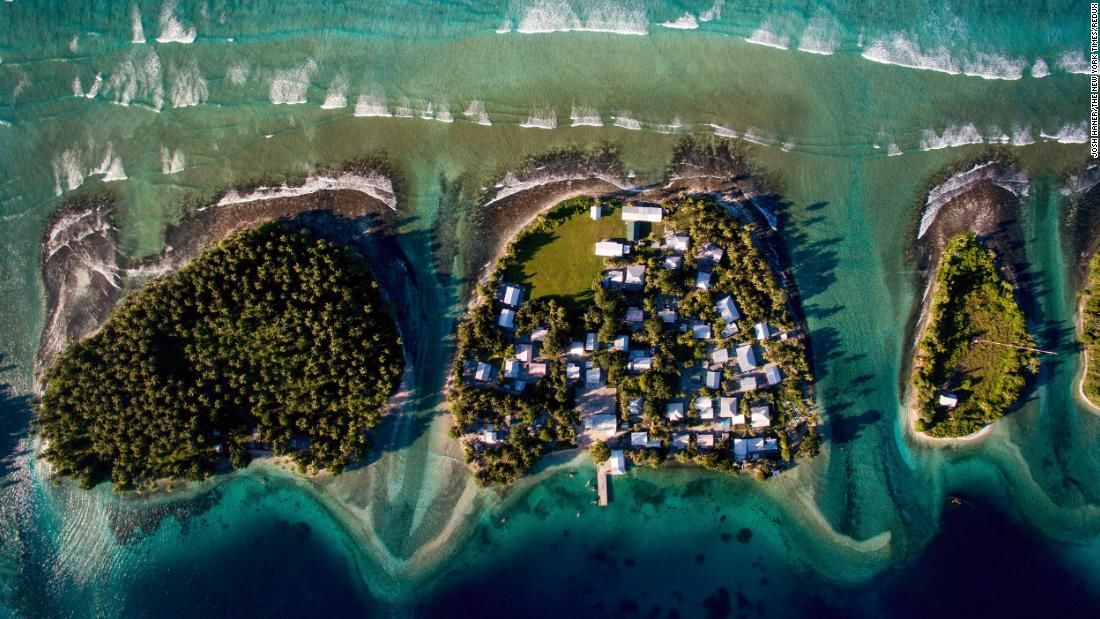
"There's increasing evidence that many Indigenous communities that do rely a lot more on the natural systems for their food and their livelihoods are not only the most exposed, because those natural systems are being very heavily impacted, but they're the most vulnerable because often they're there in areas with high poverty or poor access to health care," Parmesan said.
As the climate crisis advances, more people will be forced to relocate, adding stress and vulnerability to other regions.
"When the Earth doesn't become farmable, the dependence in the livelihood that communities have on farming and on production of food, not only will the incomes be lost, but that food security will be lost," said Vivek Shandas, a professor of climate adaptation and urban policy at Portland State University, who was not involved with the report. "That ability to survive every day is lost. As humans, throughout history, we moved from places that are less habitable to places that are more attainable and habitable."
We can still avoid the worst
While many regions in the developing world are unable to adapt because of a lack of finance and capacity, the IPCC singles out North America as a region where misinformation and politicization are a barrier.
That's led to a misunderstanding of how great the risk is, and has polarized the response to the crisis, ultimately "delaying urgent adaptation planning and implementation," the report's authors say.
In Europe, they note a lack of political leadership and a low sense of urgency are among the hurdles to overcome.
But these are barriers that can be overcome, and the authors say there is still a window of opportunity to implement meaningful action — though it's closing, fast.
"There are opportunities to adapt between now and 1.5 [degrees]," in addition to making deep cuts to heat-trapping fossil fuel emissions, Chu said. "But as we go beyond 1.5, the opportunity space becomes much more constrained and reduces the effectiveness."
Lissner said the report is "an urgent call for action" for world leaders to move toward climate-resilient development: reducing emissions as low as possible while also investing in adaptation to cope with the changes we already see.
Decision makers also need to be intentional in helping the most disadvantaged communities and countries, so no one gets left behind in the process.
"It's important for this to also be done in an inclusive or equitable manner," Lissner said, "looking into how the most vulnerable regions can really be supported in adaptation."
CNN's Angela Dewan contributed to this report.