

How to sleep better – simple ways to get a good night’s rest
Want to know how to sleep better? From finding the best mattress to choosing the ideal bedroom colour scheme, these simple tips will help you nod off at night and be more productive during your waking hours.
We earn a commission for products purchased through some links in this article.
Want to know how to sleep better? From finding the best mattress to choosing the ideal bedroom colour scheme, these simple tips will help you nod off at night and be more productive during your waking hours.
For more practical expertise, enjoy more of our bedroom advice articles
We’ve asked sleep experts including Bensons for Beds’ Stephanie Romiszewski and Dr Ranj Singh, Brand Ambassador for British bed brand, Sleepeezee, to share their tips on how to beat the sleep blues.
How to get a good night’s sleep
Whether you’re a full eight hours person or can get by on a mean lean four, quality sleep time is the key to a productive and happy day. ‘We spend about a third of our lives asleep,’ says Tobin James, Tempur UK Managing Director.
‘Good quality sleep is essential to maintaining good mental and physical health. It’s as important to our bodies as eating, drinking and breathing and can affect our performance, concentration, energy levels, relationships, moods and interpretation of the world.’
‘Up to one third of the population suffers from insomnia, with common mental health problems such as stress, anxiety and depression often underpinning sleep problems, and likewise, poor sleep often leading to poor mental health.’
So put a spring in your step with our top tips for restful snoozing. Read on to discover how to sleep better.
1. Find the perfect mattress
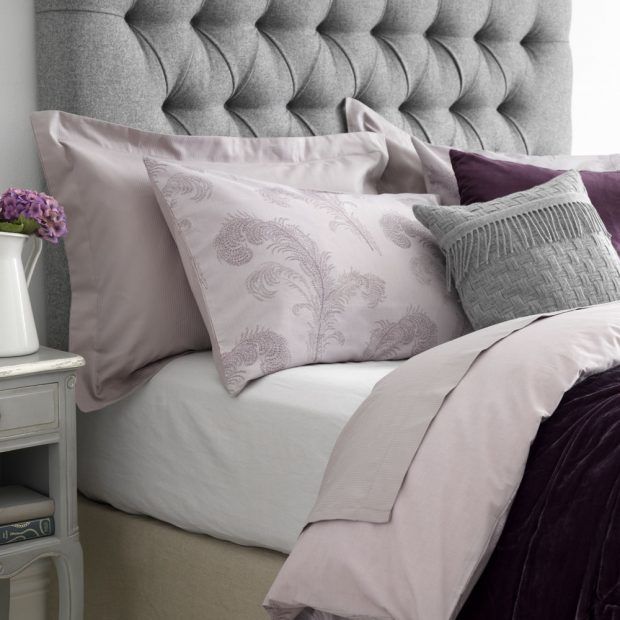
From a pocket-strung design to an open-spring mattress or even a memory-foam version, finding the right mattress can make the difference between a good sleep or a restless night. A mattress should be the right firmness and tension to support your back and neck, making it super comfortable to sleep on.
‘When you keep in mind that the average person spends a quarter of their life sleeping, it makes sense to start at the very heart of your bedroom – your mattress,’ says Thomas Colleran, Brand Manager at Duvalay. ‘An uncomfortable bed can rob you of up to an hour of sleep a night, and that’s before we even talk about the hygiene aspect. A typical human sheds over a pound of skin a year, while also losing around half a pint (285ml) of moisture each night!’ Yuck!
‘This spring time, it is the perfect time to think about investing in a new mattress,’ Thomas adds. ‘Your average mattress should last between seven and eight years, and while this doesn’t seem long, if you put aside the lack of quality sleep and mounds of dead skin and sweat, investing £1,000 in a mattress equates to just 35p a night.’
2. Plump for the perfect pillow
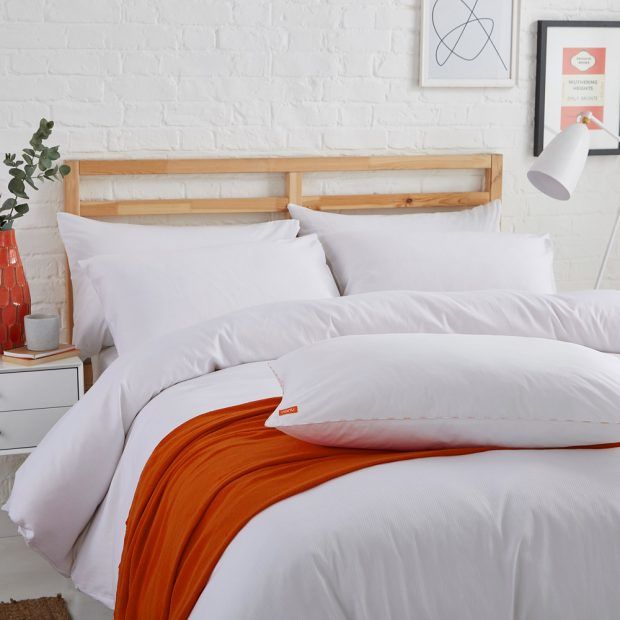
Struggling to get comfortable at night? Your pillow might be the problem. This unique pillow allows restless sleepers to create a pillow that is tailored to their needs, ensuring a perfect sleep for even the worst insomniacs. It does this by asking for your weight, height, what side you sleep on, and how firm or soft you like your pillow. Welcome to the future of perfect sleep.
3. Change the position of your bed
When it comes to getting a good nights sleep according to the Sleep Better Council recommends position your bed so that it is facing away from the door or window. This will help cut down on any light that could bother you as you sleep.
4. Choose the right bedroom colour scheme
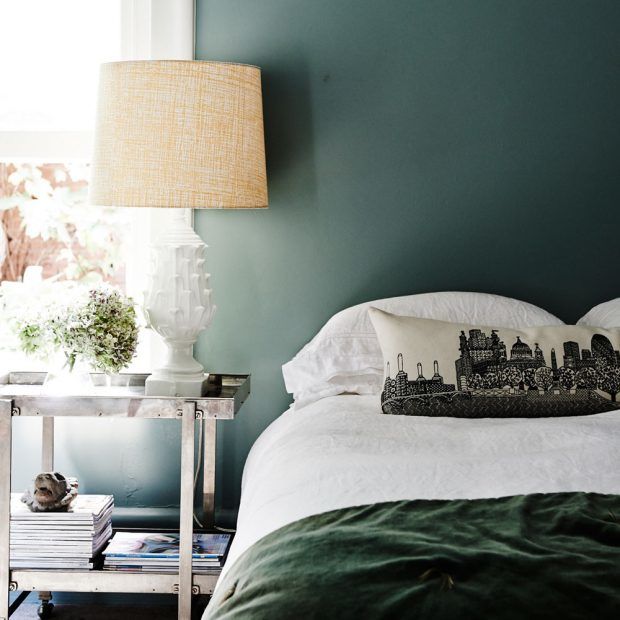
Whatever your bedroom decorating choice, make sure you choose a restful colour scheme. It doesn’t have to follow a strict interior design rule, but make sure you choose something that makes you feel relaxed and comfortable.
Neil Robinson, Chief Sleep Officer at Sealy UK advises avoiding red. ‘Being synonymous with emotions such as anger and passion, red is a very powerful colour and should ideally be avoided in our bedrooms. The colour can actually have a physical effect on the body, by raising our pulse. This makes it very difficult to relax and unwind, making falling asleep even more of a feat.’
Not sure where to start? In general green, most associated with nature, is considered one of the most calming colour schemes. It can work well with a variety of different hues. Green can help us to connect with the natural world, creating a feeling of relaxation and calmness – ideal for a sleep environment.
5. Pick the ideal bedlinen
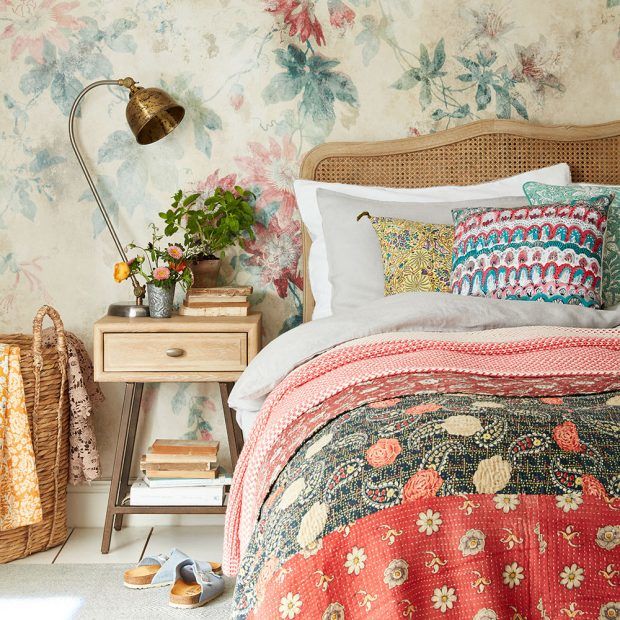
Again this is down the personal preference, but remember the thread count can make a difference. Typically, the higher the thread count, the finer and smoother the fabric.
Think about the fabric and the weave – from plain to percale and satin to flannelette, there are a whole host of different fabric choices. And all this before you’ve even had fun picking colours and designs!
6. Invest in blackout blinds
This tip comes from Dr Ranj Singh. ‘Black-out blinds or curtains will limit light at night time,’ he explains. ‘This is crucial, as light interferes with melatonin production.’ Melatonin, incidentally, is the hormone that encourages us to go to sleep.
7. Embrace the power of lavender
A few drops of lavender on the pillow is said to help promote relaxation and ultimately a good night’s sleep. Try adding a splash of lavender essential oil to a bath for an even deeper sleep…
8. Put away your phone and tablets
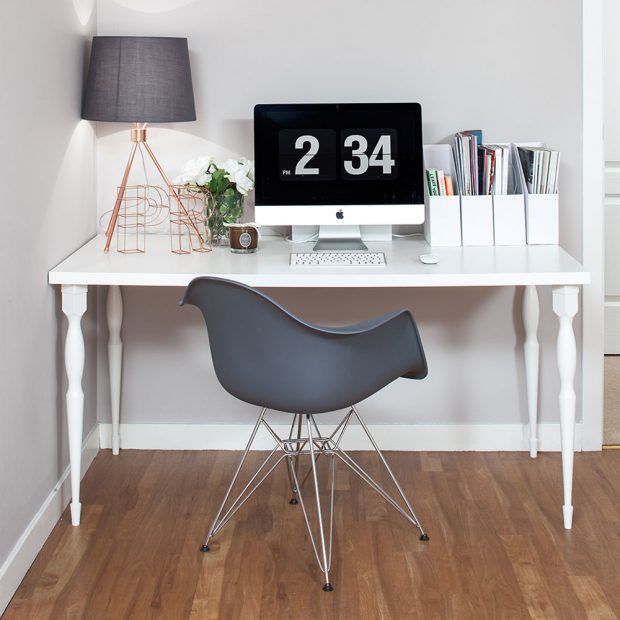
Melatonin, the hormone responsible for controlling our body clock and inducing sleep, is produced at night and light from sources such as TV and mobile screens could interrupt this process.
Switching off your devices – which can emit the ‘blue light’ shown in some studies to suppress the production of melatonin – at least 30 minutes before bed as well as dimming bedroom lights could help to counteract this.
‘Try to avoid having electronic devices in the bedroom, full stop,’ advises Dr Ranj Singh. ‘Or use a blue-light filtering app or mode.’
9. Contain the clutter
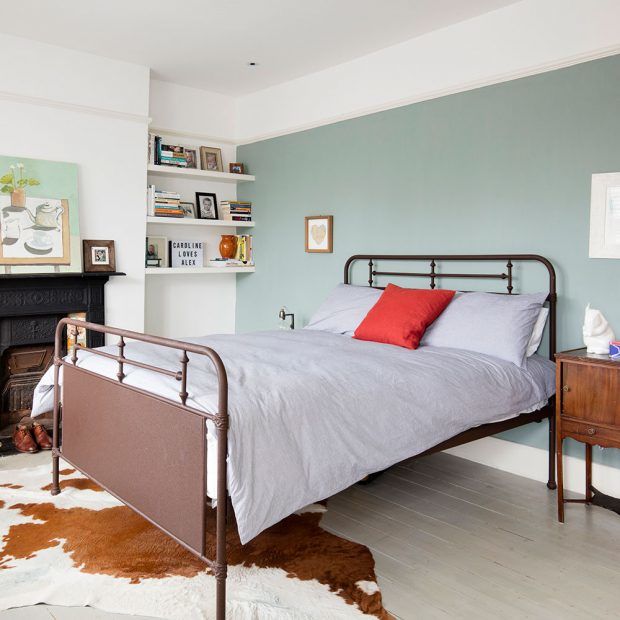
Being faced with a mounting pile of clothing and other items you’ve yet to organise – or struggled find a home for – could be contributing to exactly the kind of stress which keeps the mind whirring at night.
‘Creating a more streamlined bedroom environment can start with simple steps,’ says Neil Robinson, Chief Sleep Officer at Sealy UK. ‘This can range from anything from investing in some low-cost storage baskets to having a good old rummage in your wardrobe and donating any clothing you haven’t used in a year or more to charity.
10. Keep a sleep diary
Using a sleep diary for around a month could help to identify what factors could be impacting on your sleep. The kind of things you can make a note of include the following:
Food you’ve eaten
Daily activity levels
Amount of screen time
Times you wake up during the night
If you make a link between one of the above and your broken sleep, you can then begin to take measures to address it.
11. Invest in a red LED lighting
As mentioned above, bright light can interfere with your body clock and keep you awake. Experts at the Sleep organisation recommend choosing a darker, red light build in the bedroom as red wavelengths have been shown to be more conducive to sleep. If you don’t want to change your overhead lighting, try swapping the bulbs in any bedside lamps that you regularly used for reading before bed.
12. Stick to a routine
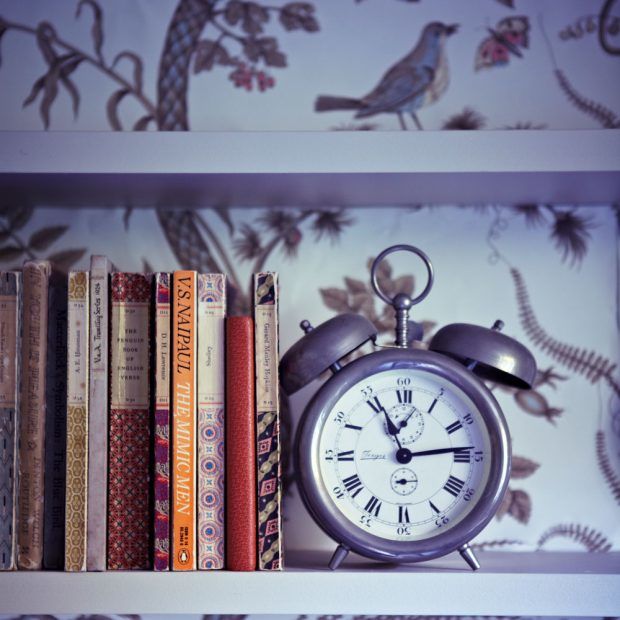
This one might be easier said than done, but try your best to stick to a similar bedtime routine. This means going to bed at the same time each evening and getting up at the same time each morning. Try to keep to a similar wind-down routine before you go to sleep so your body and mind knows when its time for shut eye.
13. Get up at the same time EVERY day
‘Following the same sleep routines during both the weekdays and weekends will help to keep your sleep habits on an even keel,’ adds Neil Robinson, Chief Sleep Officer at Sealy UK. ‘Sleeping in on the weekend or going to bed much later than usual during the week can throw off our body’s circadian rhythm – the internal clock which controls our energy levels.’
14. Get the right amount of sleep
You need to know how much sleep you need to feel good. It’s likely to be seven to eight hours, but it could be as little as four. Try keeping a sleep diary or tracking your sleep with a wearable device (ideally not your phone).
If you have a good idea of how much sleep you need to feel good and what affects your sleep, you can make sure you establish good habits, or pinpoint issues.
15. Watch what and when you eat and drink

As a rule, eating less than two hours before bed means that food hasn’t had time to digest before we try and sleep. This can lead to discomfort and indigestion. Fatty or spicy foods can take longer to process and stimulants like caffeine or sugar can give us a boost of energy when we want to be winding down. Rice, oats and dairy products can encourage us to feel sleepy.
Dr Ranj also suggest you eat more carrots. ‘Carrots contain carotenoids which make your eyes more tolerant of blue light,’ he explains. ‘You could also have a shot of Tart Montgomery Cherry Juice when going to bed, as it is high in melatonin – but be careful of its sugar content.’
16. Stock up on magnesium-rich foods
Magnesium lowers levels of the ‘stress hormone’ cortisol. Snacking on magnesium-rich foods, such as almonds, avocados and bananas throughout the day could help you relax and head off to the land of nod that much easier.
17. Avoid alcohol

We like to think that alcohol makes us sleep better. It may help us nod off, but the quality of the sleep you get may be poor, and dehydration or a late-night takeaway can further impair our sleep.
18. Don’t exercise in the evening
Exercise is great for mental health and regular light exercise is a good way to improve sleep. Exercise floods the body with feel-good hormones that stimulate our minds and bodies, so beware of exercising late at night as it can actually keep us awake.
19. Don’t take a nap
Sometimes it’s easy to give in to sleep on the train or bus home after a busy day. And yes short naps ‘G’ you up. But that’s just it…they have literally stolen some of your sleep ‘fuel’. If you nod off, even for a short time, you can short circuit the natural hormone surges that set us up for our main sleep. Therefore you need to regain it again if you still expect to sleep a solid 8 hours of quality sleep.
Get rid of the naps and, if you are tired early in the evening, get an early night.
20. Give yourself permission to go to bed later if you’re not sleepy
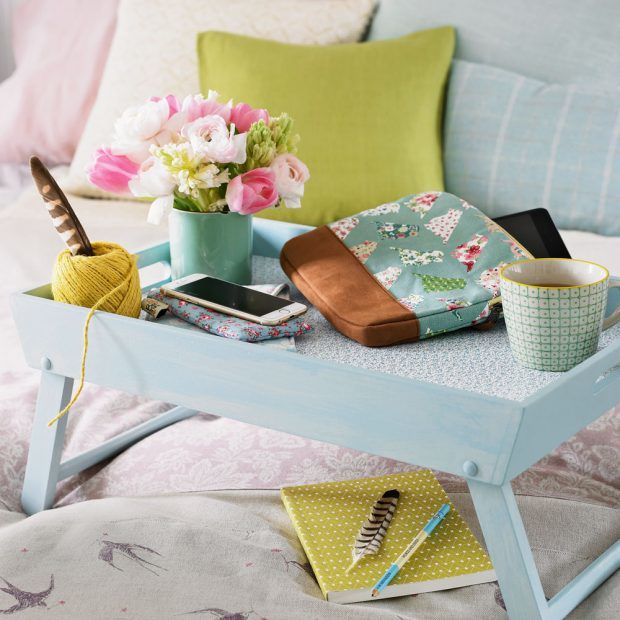
It really is ok. Quality sleep is much more important than quantity. And besides… that will come eventually.
21. Find ways to address anxiety and worry
Health is one of our biggest worries. If you lie awake mulling over concerns about your health, or the health of a loved one, you could try meditation or a mindfulness technique to help settle your internal worries.
If you’re planning to use a meditation or tapping technique to settle you, Digital Editor Amy recommends Moby’s Long Ambient playlists, available on Spotify. Dr Ranj also suggests trying apps like Calm and Headspace to help you relax.
Mindfulness and anxiety reduction techniques won’t necessarily make you sleep instantly, but they will help you avoid stress, and therefore prevent sleep problems in the future.
22. Don’t put up with poor sleep
Basic techniques can often improve your sleep. If tips like these don’t work, speak to your GP. It may be that you have an underlying health issue. If you have insomnia for more than a couple of weeks, or often feel so sleepy you could drop off during the day, it’s worth speaking to the doctor as sleep disorders can increase our risk of developing depression, heart disease or stroke.
23. Don’t let a health issue stop you sleeping
Do what you can to treat colds and flu at home and make sure that you speak to your doctor if an ongoing health problem or treatment affects your sleep.
24. Wear cotton to bed
Cotton is a great material for bedtime as not only is it lightweight and comfortable, it helps to regulate body temperature.
‘We chose to use cotton in all of our D&D pyjamas as it cannot hold any electric charge preventing it from clinging and allowing your skin to breathe – so you get a better night’s sleep. It is also easy to take care of and doesn’t need dry cleaning, an added bonus,’ explains Molly Goddard, co-founder at Desmond & Dempsey.
25. Get more light in the day!
Light is not the enemy. Yet we are simply told to avoid it at night. Yes be sensible in the evenings. But why are we getting ready in the dark?! Light is the most influential external factor on our sleep/wake cycles and lifts our mood! Artificial is OK too…
We can all benefit from improving the quality of our sleep. For many of us, it may simply be a case of making small lifestyle or attitude adjustments to help us sleep better. Nighty night!