

New Iranian law could ban owning 'dangerous animals', including crocodiles and…cats
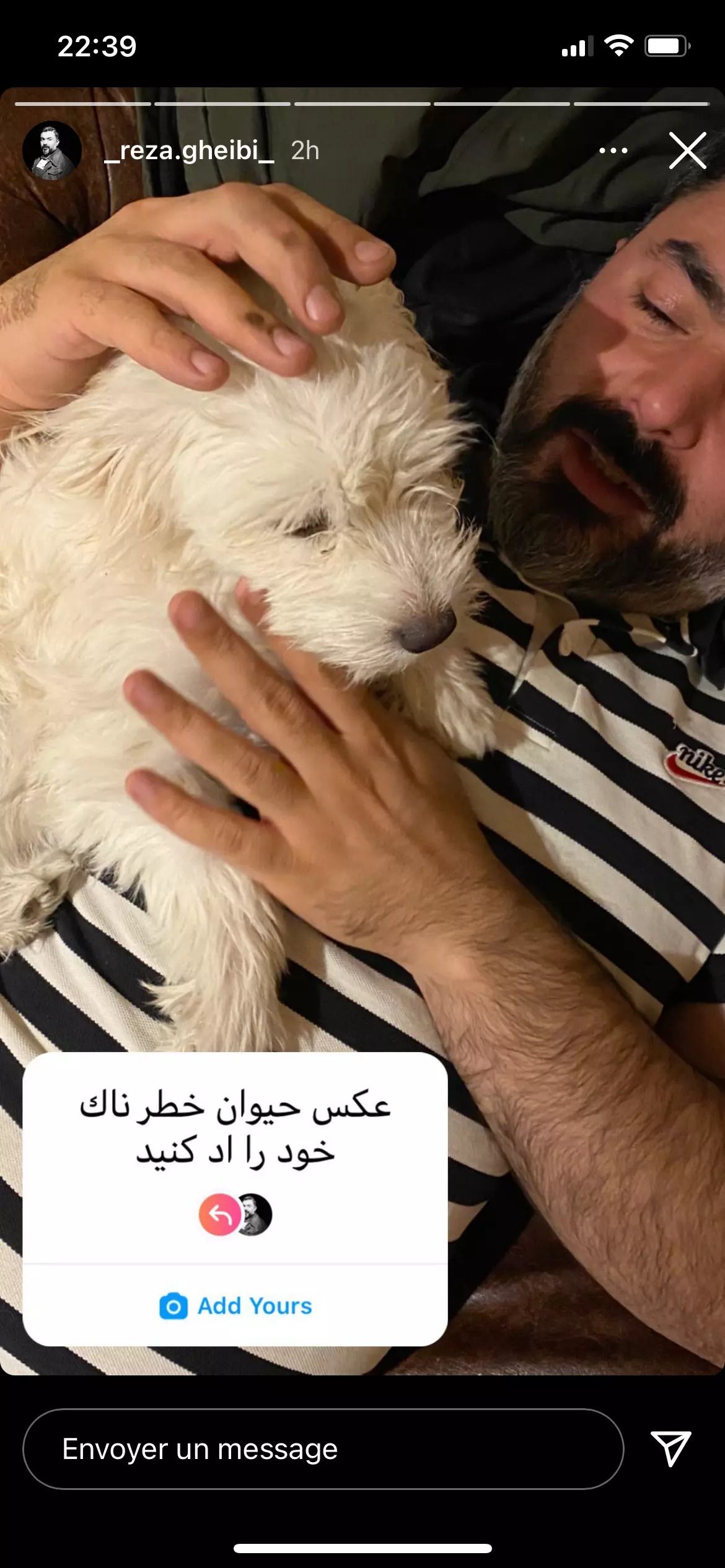
Many people have taken to social media to share photos of their beloved “dangerous animals” to protest this bill, which they fear will be adopted by parliament, which currently has a majority of ultra-conservatives who are in favour of stricter laws around animal ownership. A petition addressed to Mohammad Bagher Ghalibaf, the speaker of parliament, asking him to withdraw the bill has been submitted.
The bill includes dogs and cats as well as crocodiles and snakes. A person found with one of these animals could get up to an 80 million toman fine (or €2,666), which is 30 times the minimum monthly wage in Iran.
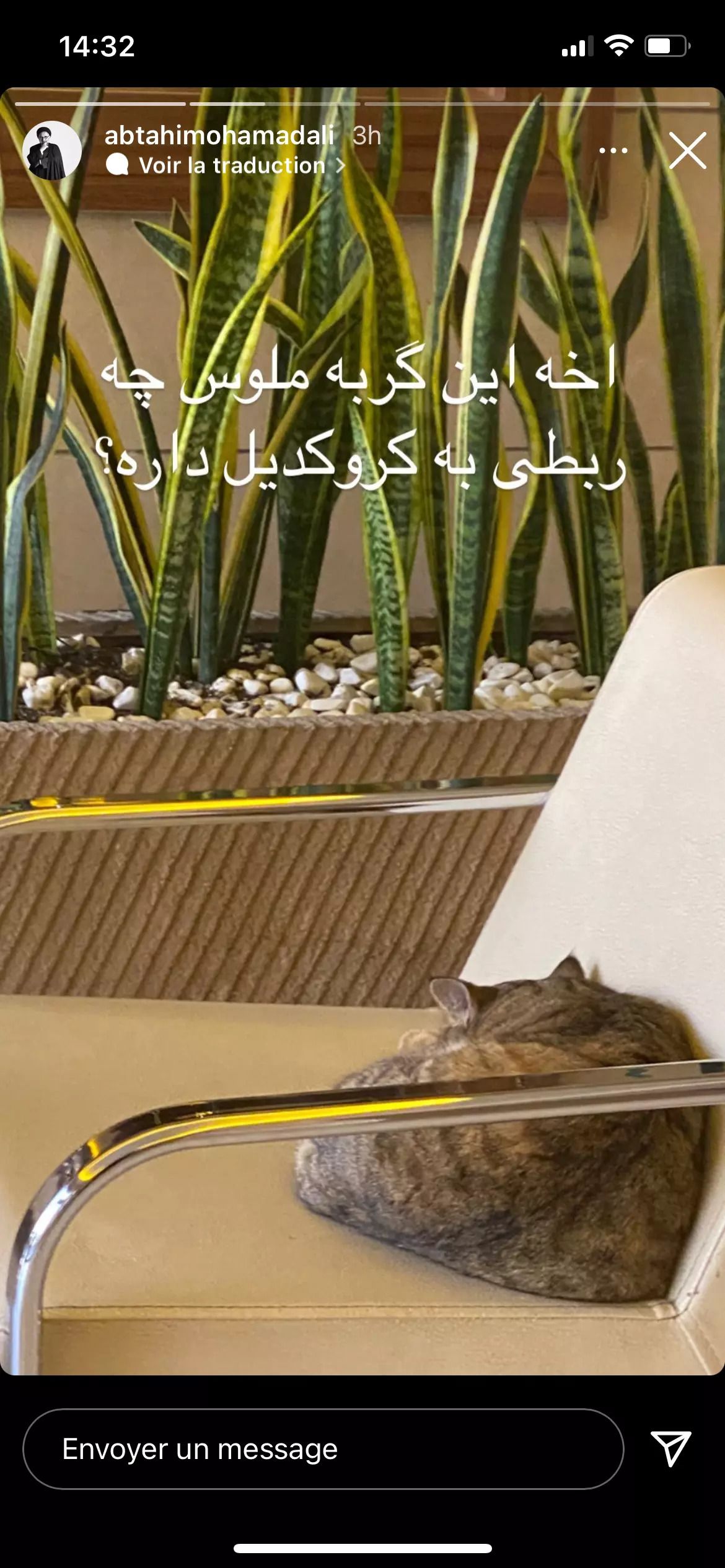 Mohammad Ali Abtahi, who served as the
leader of the cabinet under former President Mohammad Khatami shared
this photo on Instagram: “What does this adorable cat have in common
with a crocodile?”
Mohammad Ali Abtahi, who served as the
leader of the cabinet under former President Mohammad Khatami shared
this photo on Instagram: “What does this adorable cat have in common
with a crocodile?”
Opponents of this project fear that it will just make the already problematic animal rights situation in the country worse. And even though the bill hasn’t yet become law, there have already been consequences, with a number of animal shelters reporting that there have been increased numbers of abandoned animals in recent weeks.
'No one would give up their children because of a law'
In some majority Muslim countries, pets, especially dogs, are considered dirty or “impure”. But in other Muslim countries, like Turkey, pets are popular and accepted.
But our Observer says that purity isn’t the only reason that ultra-conservatives are seeking to ban cats and dogs. Minou Momeni is a journalist and an animal rights activist. She has a dog and a cat.
"This wasn’t a sudden decision. The extremists who have become members of parliament over the past few elections have been preparing legislation like this for years.
About ten years ago, they stationed moral police officers in front of veterinary offices and confiscated people’s dogs – abandoning them in the deserts around Tehran. But that created quite a scandal and so they had to stop. But now, we are starting to hear stories of people having their pets confiscated again here and there.
I think one reason that the ultra conservatives are doing this is because they think that having a cat or a dog is a way of imitating life in the west, which they have a lot of contempt for.
Another factor is that they believe some people might have cats and dogs as pets instead of having children, thus lowering the birth rate. The government is set on increasing the birth rate [Editor’s note: The birth rate in Iran is currently at 1.6 versus 2.02 in Turkey or 1.85 in France].
But I don’t think that people are going to give up their pets just like that. My animals are like my children. No one would give up their children because of a law. If they don’t listen to us and they vote in this law, we’ll find a way around it."
'If a police patrol saw me with my dog, they might take him'
"The problem that pet owners like me are facing right now – even before the law has come to a vote – is that the price for pet supplies has gone through the roof. Food, medicine, vaccines – everything is more expensive.
For example, before, I used to pay 250,00 tomans [Editor’s note: €8] for a 10-kilo bag of food for my dog. Now, it costs two million tomans [€66] and, more often than not, the food is spoiled. Vaccines are now 15 times more expensive than they used to be – around 600,000 tomans [€20]. The price of getting an animal sterilised has also increased – now it is about two million tomans [Editor’s note: the minimum monthly salary in Iran is 2.65 million toman, roughly €88.5].
All of that is linked to the fact that the authorities have already banned imports of products related to pets. Now, pet food made abroad is being brought in by smugglers. Pet food made here isn’t good quality and the animals get sick after eating it."
"There are more and more abandoned dogs turning up in the shelter where I work. People bring them in after finding them in parks or along the side of the road. Irresponsible owners are afraid of having to pay a massive fine or even going to prison in a few weeks and so they abandon them.
At the same time, we are seeing a growing demand for cats, probably because they don’t have to go outside and are easier to hide.
In any case, it’s already become difficult to walk your dogs in the streets. If a police patrol saw me with my dog, they might take him. So I only take him out early in the morning or late at night. A few weeks ago, a police officer stopped me and told me that he had the right to take away my dog. He was nice but he said I might not be so lucky next time.
I would say that about six out of every 10 families I know have a pet. Sometimes even observant Muslims have a cat or a dog, so this bill will affect a lot of people."
Having a pet used to be a luxury in Iran but our Observer says that these days, a lot of people have pets. She said the proof is in the increase in both shops and websites offering pet supplies, as well as in veterinarians.
In response to the protests, one of the members of parliament behind the bill, Hosseinali Deligani, said in an interview on November 23 that “walking with dogs and cats is akin to harassing people or restricting their freedoms. People might bring cows and sheep into public parks, which would disrupt public order. With this law, we can avoid this kind of disagreement.”