

No dig gardening - your ultimate guide to the movement of the moment
The no dig gardening trend is big news. An increasingly popular way of growing organic vegetables and plants that boosts the soil’s eco-system, it’s a great option if you prefer not to spend hours digging and weeding (that will be most of us then). Happily you will get bigger and better plants too, as well as earlier harvests.
Over to pioneer of the #nodig movement Charles Dowding, who has been doing it this way for years: ‘No dig means soil is undisturbed, and you feed the soil life with organic matter on the surface to maintain drainage and aeration. The use of light-excluding mulches such as cardboard to kill weeds saves time too.’ Fewer weeds germinate in undisturbed soil and compost mulches on the surface make it easy to pull out those that do. So less digging and less weeding all round then.
It’s easy too. Follow the no dig formula of leaving soil undisturbed, feed it with a surface mulch and watch as your plants grow big and beautiful from all those lovely soil organisms that will multiply as a result. Read on to find out how to do it.
What is no dig gardening?
No dig gardening is exactly that. There are three key things to remember though if you want to do it right. Follow these no dig expert tips and all will be well in your plot.
First, soil is undisturbed so organisms can multiply. Digging exposes the soil organisms to drying winds so once your no dig bed is constructed leave it well alone, allowing the micro-nutrients to naturally feed your plants.
Second, soil organisms are fed with organic matter. ‘The system is ideal for organic gardeners as you do not need to add any fertilisers and the soil becomes self-sustaining,’ explains Hayes Garden World expert Angela Slater. ‘It’s also kinder to the environment as it uses less resources. It keeps carbon in the soil, uses less water as it holds onto the moisture and also less soil is lost through run-off.’
Third, no dig increases the ability of plants to find food. Compost mulches improve soil structure and deter slugs. No dig uses less compost than an equivalent dug area as no carbon is lost from cultivating it.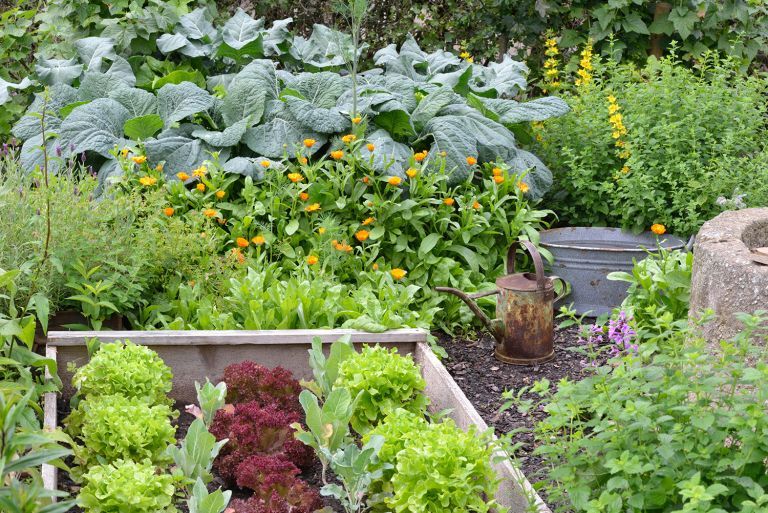
How does no dig gardening work?
No dig has become a key part in modern vegetable garden ideas because all plants rely on good soil to thrive and this should come first when planning and planting a garden. Here’s the science behind no dig: ‘It works on the basis that as soil is a living entity full of micro-organisms, minerals, organic matter, air and water that have formed a complex structure over time, you want to disturb it as little as possible,’ explains RHS gold winner and eco landscape designer Melissa Jolly. ‘There are also huge networks of fungi that form within the soil that help plants take up nutrients.’
Every time we dig the soil we damage and disrupt these delicate networks and destroy the structure, making it more difficult for roots to take up water and minerals. No dig gardening attempts to disturb the soil as little as possible.
What are the benefits of no dig gardening?
This one's easy: it saves time and effort, and boosts productivity. ‘You don’t break your back, it’s easy to manage and there’s less weeds,’ says Yeo Valley Organic’s head gardener Sarah Mead. ‘The most important thing is that you’re not damaging the structure of the soil or disturbing the precious micro-organisms that you need.’
Many gardeners are put off by the thought of having to spend weekends digging up weeds, only to see them grow back the following week. ‘Concepts like double digging and making trenches can also be off-putting if you're thinking about growing your own. No dig doesn’t have the same issues,’ says Miracle-Gro gardening guru Kate Turner. ‘Not only is no-dig gardening good for you, it’s also good for the soil.’
No dig means a better balance of undisturbed soil organisms, such as slug-eating beetles, and unlike dug soil has few mini layers of compaction that makes alcohol. Slugs like alcohol, one reason why digging causes more problems than it can solve.
Replacing mulch is also important to allow continual feeding and packing it around older plants improves growth. Providing you add at least 5cm of organic matter such as compost or leaf mould every year you'll end up with all the richness you need. 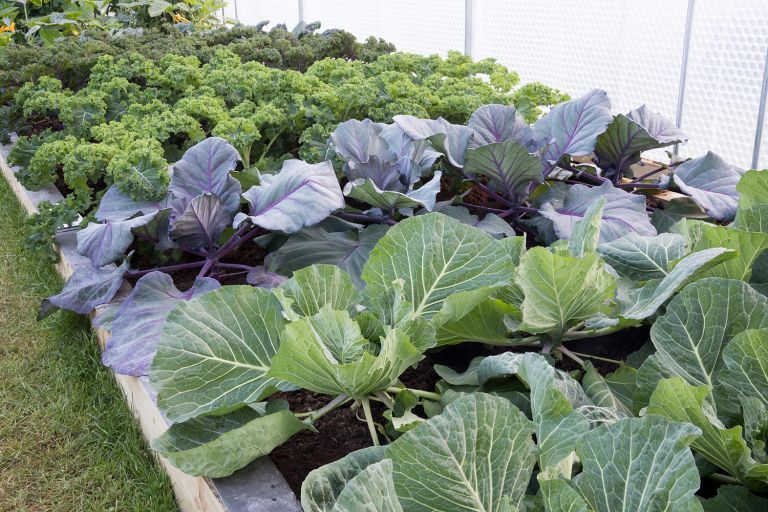
What are the eco benefits of no dig gardening?
Livingetc gardening columnist and no-dig enthusiast Poppy Okotcha wishes everyone knew about its potential to do good for the environment, as well as how good it is when it comes to feeding soil life. No dig and organic go hand in hand. One of the main reasons no dig gardening is so popular now is that it’s eco-friendly. The soil is more stable so needs less watering and is rich with nutrients so doesn’t need fertiliser. This has a positive impact on the plants you grow.
‘The first reason to get into no dig is because it saves a lot of hard work,’ says Sarah Mead, ‘but it’s also the easiest way to garden organically, as this method is all about working with nature.’ Every time you stick a spade in the earth you’re disturbing the soil, which is not good as it also disrupts the worms and micro-organisms you need to support the health of the soil. Where you have good soil, you have healthy plants. ‘Gardening organically is a different mindset. You need to slow down, have patience and give everything time, but the benefits to nature are clear wherever you look.’
There's a growing interest in no dig among Melissa Jolly's clients too: ‘No dig soils have better structure, hold water (therefore require less irrigation and create less water run-off which causes flooding), and make nutrients and air more readily available to plant roots. They hold more carbon as you don’t dig the soil releasing carbon into the atmosphere. Clients are now tapping into this sustainability angle.’
No dig basics: pioneer Charles Dowding’s top 5 tips
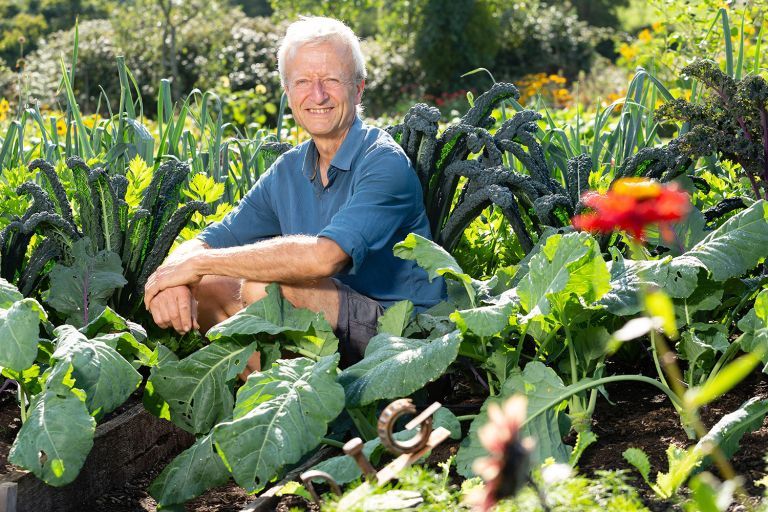
A world authority on no dig gardening, Charles’ methods resonate with beginners and expert gardeners alike. Find out more here and in the meantime, he shared his best advice with Livingetc on how to get things started...
"You don’t need a large area for a really productive no dig vegetable patch," Charles Dowding says. "One vegetable bed (1 or 1.2 metres width and any length) is all you need to get growing. And you don’t need raised beds, which attract slugs if they start decaying."
It's an easy way to gain control of the weeds. "No dig makes this simple because undisturbed soil grows fewer weeds than you would see after digging," Charles says. "Use cardboard and compost to smother existing weeds, then plant directly into the compost. The surface compost will feed the soil and plants, so there’s no need to buy fertilisers. Roots pass through the decaying cardboard after a couple of months."
The back of seed packets are a goldmine of information. "Learn the best time to sow different type of vegetables," says Charles. "Sowing and transplanting at optimal times gives an increase of harvests from fewer seeds, and a reduction of pests. Understand what garden pests are likely and when, then you can sow seeds to fit around these times. Invest in some netting or mesh to protect your vegetables."
Gardening is more productive when it's little and often rather than just a weekend hobby. "If you can, aim to be out in your garden every day for a shorter time, rather than a much longer session once a week," Charles says. "You’ll get better results with a little daily input."
Why garden designers love no dig
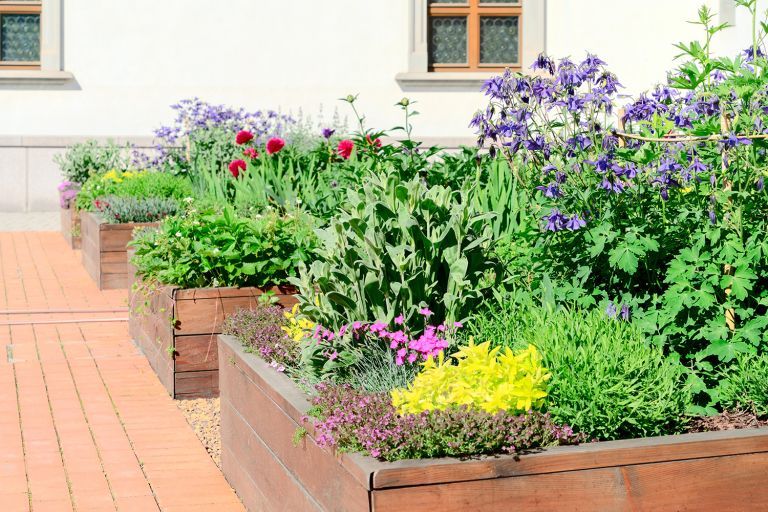
Garden designers around the country are responding to the trend. ‘I’m lucky enough to live in the next-door village to no-dig pioneer Charles Dowding,’ says garden designer Jane Follis ‘I went on a one-day course at his home a couple of years ago and I’ve been using his methods ever since. It works a treat and my vegetables (particularly salad crops and brassicas) have never been better. I’m hoping to extend this method into my large flower borders this year.’
Clients too are wising up to the benefits of no dig. ‘I’ve found over the last few years that more clients are looking for a garden that’s all about relaxing and entertaining, so going ’no dig’ is top of their list as it frees up more time for enjoying their outdoor space,’ says garden designer Raine Clarke-Will ‘Some of the plants I love to include in no dig schemes for clients include Nepeta ‘Walker’s low’ and Stachys byzantine, which are both fabulous for encouraging bees and butterflies so tick the eco-friendly box too.’
How to get started with no dig
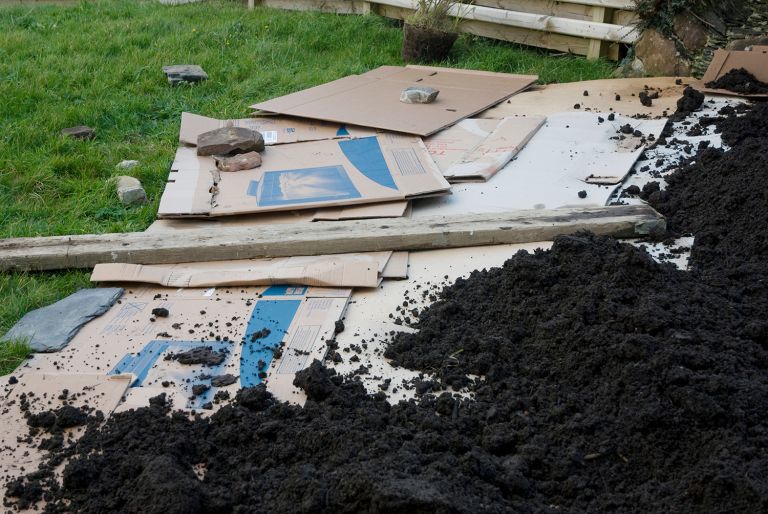
First identify the ground you wish to turn into no dig. Cover the area with a weed suppressing barrier. Ideally this would be brown cardboard as it will biodegrade over a year while suppressing all light and killing the weeds underneath. You need to make sure you cover the soil, overlapping the cardboard if necessary so you have no gaps where weeds can germinate. Avoid old carpets and horticultural membranes as they can contain plastic.
Cover the entire area with a thick layer of any organic matter, either compost or well-rotted manure. The key is to top it with at least 15cm above your cardboard barrier in the first year. You can get started by planting straight into this compost. The following year top up the organic matter by another 5cm then repeat every year.
Remember you are feeding the soil not the plants. This makes the plant healthier as the soil works its magic. That’s basically it!
Why does no dig mean less weeding?
Less weeds germinate in undisturbed soil, and compost mulches on the surface make it easy to pull out weeds or to run a hoe through the surface. Light hoeing and raking is fine, usually the top 3cm which is your surface mulch of compost.
If you have woody or strong perennial weeds like nettles and docks it may be sensible to cut them back to the ground before covering as they may break through the cardboard.
Keep on top of any annual weeds by hand weeding. More virulent weeds shouldn’t be a problem as the cardboard will exclude the light they need to grow. You are always going to get some annual weeds that are blown in on the wind but they are easily pulled out.
The no dig vegetable garden - everything you need to know
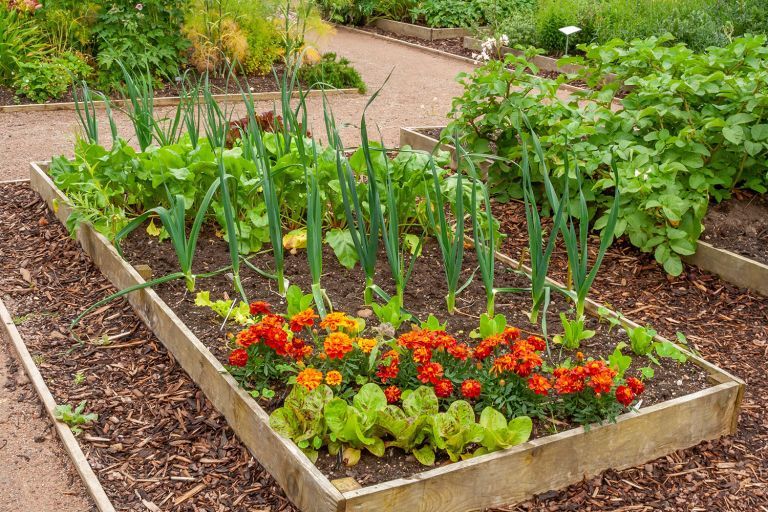
Now the all-important part: what to grow. Read on to find out what our experts recommend about one of the most popular modern garden ideas, and if you're keen to be part of the no dig grow your own trend.
How to plan a no dig vegetable garden: your step by step guide
1. If you’re starting a new plot from scratch over grass or weeds you’ll need a layer to block out the light to what’s already growing. Letting them die back in situ will also release nutrients into the soil. Cardboard is ideal as it will gradually break down over time. It should be the non-shiny type and free of tape and staples. Lay it so it overlaps and no light can get through.
2. On top of this spread a layer of organic matter and firm it down. ‘Think about what your organic matter is going to be,’ says garden designer Hannah Phillips ‘It could be compost, well-rotted manure, green waste soil improver (often available free via local recycling) or spent mushroom compost. You’ll be looking to use this annually to mulch the beds.’ You want to aim for around 15cm of material to plant into.
3. If you have free-draining sandy or heavy clay soil it's important to lay down thick layers of compost and mulch whereas it’s not quite as important if you have a good friable loamy soil. ‘A good thick bed will keep the roots out of the wet clay if the ground soil becomes waterlogged,’ says Angela Slater. Sandy soil doesn’t hold on to moisture and nutrients so a good thick bed is essential for providing a beneficial environment for soil organisms.
4. If you want to start planting seedlings at this point (and if it’s the right time of year for what you want to grow) you can. By the time the roots reach the layer of cardboard it will have started to break down which feeds the soil (worms love cardboard!) and the roots can make their way to the soil beneath.
What is the best time of year to start a no dig garden?
You can start your no dig bed when ever you like. ‘It can be constructed at any time of year unless the ground is frozen as the bed will act as a blanket and prevent it thawing,’ says Angela Slater.
Many experts think spring is the best time to establish a no dig bed. ‘You can start a no-dig garden whenever you want but it’s always best to make the most of the growing season. Start it by early spring so you can get everything growing,' says Sarah Mead. ‘A no-dig garden can be both productive and pretty. Don’t forget about doing the same with your flower beds too.’
There are benefits to doing it in autumn too though. ‘The optimum time would be autumn or spring, either once you’ve harvested most of your crops or before you start sowing and planting,’ says Kate Turner. ‘If you have a perennial weed problem, I’d recommend that you start in the autumn as this is when weeds start to die off.’
How big should a no dig vegetable garden be?
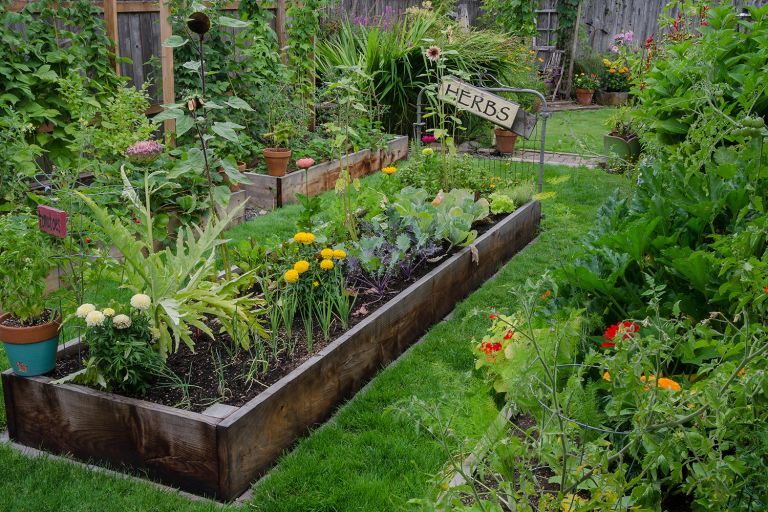
Construct each bed so that it's approximately 1 to 1.2 metres wide so you can reach the centre from both sides. The length is entirely up to you and what works for your particular patch. Planks can be used to retain the soil or you can just heap it up on the surface. Start with a sheet of cardboard, and make sure it’s thoroughly soaked. This will suppress any weed growth. If your soil is fairly weed free you can skip this stage. Next add a good thick layer of compost or manure.
What equipment do you need to make a no dig vegetable garden?
One of the best things about no-dig gardening is that you need very little equipment. Some cardboard and organic matter, which can be garden or store-bought compost or manure, are all it takes. Plus it helps to have a spade and wheelbarrow to move the organic matter around.
What soil mix should you use in a no dig vegetable garden?
Ideally existing free-draining soil if you’re lucky enough to have it. However, not having the right conditions is no barrier to the no dig approach. ‘Just put your cardboard weed barrier down directly on top of grass if you want to convert a grass area into a productive bed,’ says Sarah Mead.
When it comes to buying compost, choose one that allows you to work with nature as opposed to against it. A natural peat-free topsoil is better able to withstand extended periods of drought or rain that can lead to wash-away. ‘The clay found in natural soil benefits from shrink and swell characteristics which means the structure of the soil remains constant, thereby avoiding cracking and splitting after periods of long exposure,’ says Simon Hedley of The Real Soil Company. ‘This leads to continuous and strong plant support throughout the growing cycle.
Choose a product like SuperSoil which benefits from naturally occurring micro-organisms and is packed with vital minerals for high yielding and nutritional fruit and vegetables, and healthy pest-resistant plants and flowers.’
What are the best fruit and vegetables to grow in a no dig garden?
What you mulch with and how thick the layer is will dictate what you can grow in the first year. ‘Courgettes, pumpkins, squash and potatoes will all be very happy growing this way and can easily send their roots down into the soil below,’ says horticulturist Rebecca Bevan @GreedyGreenBean, who has just written a new gardening book for the National Trust. In the second year you should be able to grow whatever you want as the compost will have broken down. But really the choice is yours. ‘Grow whatever you like to eat,’ says Sarah Mead. ‘You can do anything you want with the no-dig method, there aren’t really any rules.’
Just make a hole, plant your vegetable seedlings and water in well. Once they become established and have developed a good root system they will need less water. ‘No dig beds are ideal for growing vegetables, fruit and flowers for cutting. If you’re growing strawberries packing straw around them keeps the fruit clean and off the soil,’ says Angela Slater.
There's more good news. No dig experts like Charles Dowding debate whether traditional plot rotation (moving the position of the types of veg you’re growing because of the different nutrients they take from the ground each year) is even necessary when you use a no dig system as you are constantly replenishing the soil.
How to avoid slugs in a no dig vegetable garden
Organise your plot so you can avoid slugs in the first place, with no dark nooks and crannies for them to lurk in. This is why many no-dig veg patches avoid wooden borders. ‘A really good place to start is to locate your veg patch in a sunny place, not only does it help with your growing, but the slugs don’t like it,’ says Sarah Mead. You can also let your seedlings get a bit bigger before planting out so they’re not as vulnerable to attack. If all that fails set up beer traps or use copper tape.
In the first year if you're using cardboard or membrane, you may find you have a few more slugs hiding underneath. ‘However in the following season you will have fewer as there will be nowhere for them to hide,’ says Kate Turner. ‘Plus, you will have encouraged ground beetles in the undisturbed organic matter and they love to eat slugs.’
If slugs are a problem in your garden use compost as the main mulch, and avoid wooden sides around beds to reduce places where they can hide.
Straw can be used as a final mulch but many gardeners find that it harbours slugs. ‘If slugs do become a problem there are many organic measures you can take to get rid of them, from using crushed beech leaves, upturned orange skins, fine oatmeal, beer traps or just going out at night with a torch and picking them off,’ says Angela Slater.
It will be so worth it when you harvest armfuls of nibble free roots and leaves from your no dig patch.