Arab Press

بالشعب و للشعب
Tuesday, Mar 17, 2026

SpaceX: Space storm destroys 40 of Elon Musk's Starlink satellites

SpaceX: Space storm destroys 40 of Elon Musk's Starlink satellites

The vast majority of satellites launched last week will fall back to Earth and burn up rather than go into orbit, SpaceX says - "at a considerable cost to us".

SpaceX has confirmed that a geomagnetic storm destroyed most of the Starlink satellites it launched last Friday.

Elon Musk's company said that 40 of its 49 satellites were going to fall back to Earth - though they are designed to burn up on re-entry - after a space storm "significantly impacted" them.

They were part of a planned satellite constellation that is intended to eventually provide constant internet coverage for most of the world.
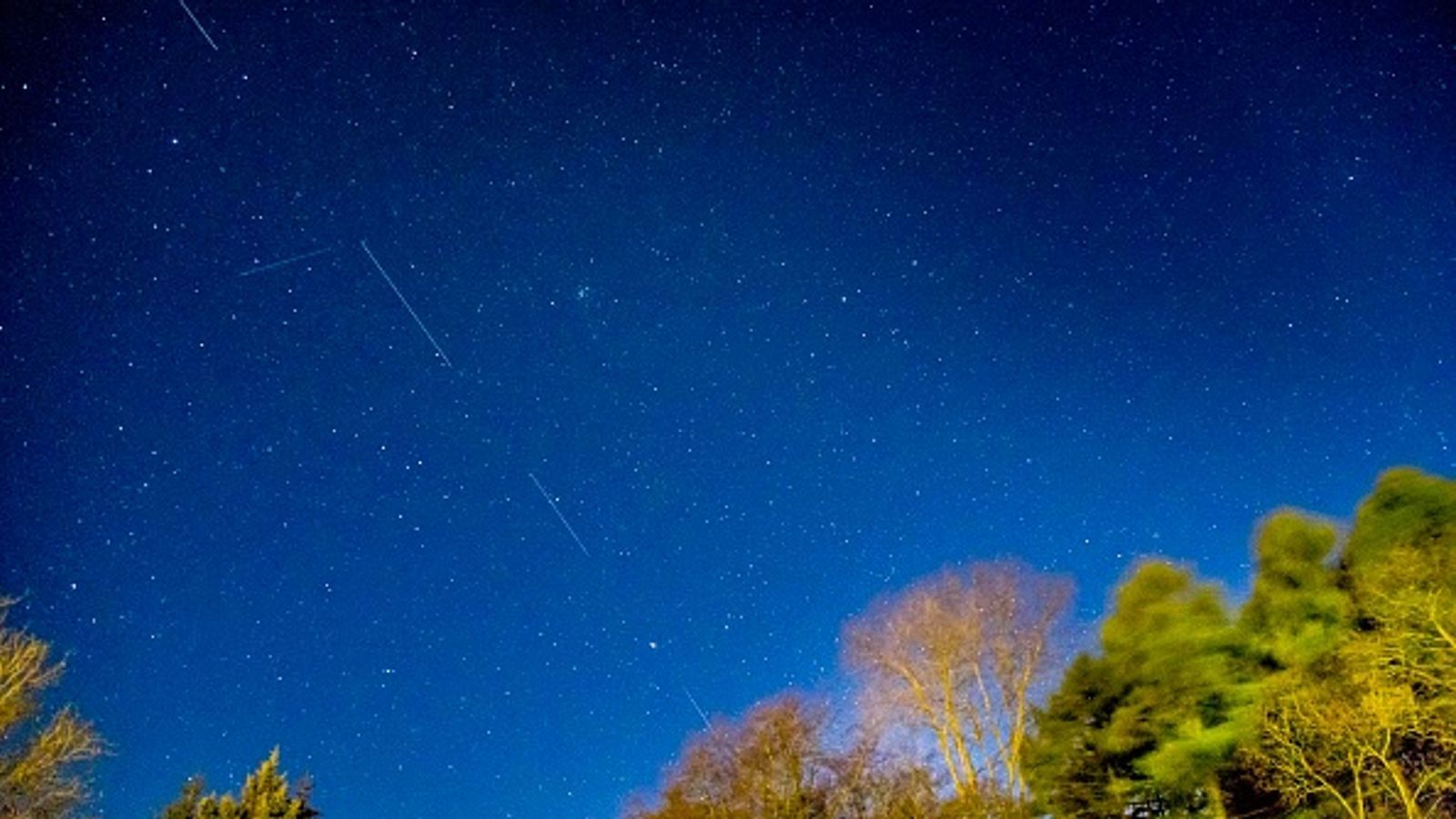
Starlink's satellites have been accused of 'ruining the night sky' for astronomers


What is Starlink?


The Starlink project is intended to provide broadband-speed internet access across the planet and generate cash for Musk's other space ambitions.

Musk said: "We think this is a key stepping stone on the way towards establishing a self-sustaining city on Mars and a base on the moon."

The company has already launched 2,000 satellites and has permission from the US authorities to send up 12,000 in total.

But critics fear that the fleet of satellites will ruin the night sky for astronomers attempting to observe distant parts of the universe.

SpaceX says it is darkening its satellites with a software upgrade so they will fly with their "knife edge" to the sun to minimise reflections.

Elon Musk plans to use the money from Starlink to fund missions to Mars


What happened?


The storm, which was caused by solar activity, made the Earth's atmosphere warm and expand.

This is not in itself unusual, and the impact of a geomagnetic storm on de-orbiting spacecraft has also been cited as a concern by NASA in its plan to crash the International Space Station into a "spacecraft cemetery" when it is finally retired.

The denser atmosphere at the initial orbital altitude for the satellites caused atmospheric drag to increase up to 50% higher than SpaceX had seen in previous launches, the company said.

Ultimately this means that "up to 40 of the satellites will re-enter or already have re-entered the Earth's atmosphere", it said.

The satellites posed no risk to Earth, the company added.

"The de-orbiting satellites pose zero collision risk with other satellites and by design demise upon atmospheric re-entry - meaning no orbital debris is created and no satellite parts hit the ground."

The company said that it deployed its satellites into lower orbits "so that in the very rare case any satellite does not pass initial system checkouts it will quickly be de-orbited by atmospheric drag".

"While the low deployment altitude requires more capable satellites at a considerable cost to us, it’s the right thing to do to maintain a sustainable space environment," it added.

Newsletter

Related Articles

Arab Press
0:00
0:00
Close
Saudi Arabia Targets South African Professionals in New Recruitment Drive Amid Regional Uncertainty
Formula One Faces Major Financial Hit as Bahrain and Saudi Arabian Grands Prix Cancelled Amid Middle East Conflict
U.S. and Saudi Firms Launch Local Production of Attritable Drone Systems in Saudi Arabia
Saudi Arabia and UAE Warn Rising Gulf Tensions Could Endanger Regional Security
Saudi Arabia Rejects Claims It Encouraged Prolonged War With Iran
Saudi Arabia to Host World’s Largest Single-Cell Protein Plant as Food Security Push Accelerates
Saudi Crown Prince Urges Trump to Continue Military Pressure on Iran
Iran Intensifies Drone Campaign Against Saudi Arabia as Gulf Conflict Escalates
When Is Eid al-Fitr 2026? Saudi Arabia Awaits Moon Sighting to Confirm End of Ramadan
Iranian Missile Strike Damages Five U.S. Refueling Aircraft at Saudi Air Base
Washington State Pilot Among Six U.S. Airmen Killed in Military Aircraft Crash Over Iraq
Severe Storm Threat Looms Over Washington as Tornado Risk and Damaging Winds Target Mid-Atlantic
Trump Supports FCC Warning to Broadcasters Over Iran War Reporting
Saudi Stocks Edge Lower as Tadawul All Share Index Slips Slightly at Market Close
Iranian Missile and Drone Strike Targets Saudi Arabia’s Prince Sultan Air Base Hosting US Aircraft
Saudi Air Defenses Intercept Drone Over Eastern Province as Iranian Strike Campaign Intensifies
Middle East War Reshapes Gulf Economies as Saudi Arabia and Oman Gain Strategic Leverage While UAE Faces Economic Shock
Iranian Ambassador in Riyadh Blames ‘Enemies’ for Attacks Across the Gulf
Israeli Envoy Ron Dermer Reportedly Visits Saudi Arabia for Discussions on Potential Lebanon Talks
Formula One Cancels Bahrain and Saudi Arabian Grands Prix Scheduled for April
Iran’s Ambassador in Riyadh Rejects Claims Tehran Targeted Saudi Oil Facilities
Saudi Arabia Declares 2026 ‘Year of Artificial Intelligence’ in Major Push for Data-Driven Economy
Saudi Arabia’s 2018 Budget Signals Strong Push for Non-Oil Economic Growth
Pakistan Envoy in Riyadh Says Regional Diplomacy Intensifying to Prevent Wider Middle East War
Saudi Arabia Intercepts Dozens of Drones as Regional Strikes Kill Two in Oman
Saudi Arabia Redirects Oil Exports to Red Sea Ports as Strait of Hormuz Tensions Escalate
Saudi Arabia Intercepts Missile and Drone Barrage as Regional Conflict Intensifies
Iran Expands Drone and Missile Campaign Across Gulf as Conflict With US and Israel Intensifies
Muslims Worldwide Await Saudi Moon Sighting to Confirm Eid al-Fitr 2026 Date
F1 Calendar Faces Major Disruption as Middle East Conflict Threatens Bahrain and Saudi Races
Trump Says Most US Aircraft Hit in Saudi Base Attack Suffered Minimal Damage
Strait of Hormuz Crisis Forces Saudi Arabia Into Major Oil Production Shut-In
Saudi Arabia Slashes Oil Output as Strait of Hormuz Crisis Cuts Deep Into Gulf Revenues
Saudi Arabia’s Cultural Scene Presses Ahead as Nation Navigates Regional War
Saudi-Pakistan Defence Pact Faces Real-World Constraints as Iran War Escalates
Saudi Arabia Offers Two Million Barrels of Crude From Red Sea as War Disrupts Gulf Exports
Formula One Faces Tens of Millions in Lost Revenue if Bahrain and Saudi Arabia Races Are Cancelled
Formula One Set to Cancel Bahrain and Saudi Arabian Grands Prix Amid Escalating Middle East War
Saudi Arabia Downs Dozens of Iranian Drones in Major Defensive Operation
Saudi Arabia Cuts Oil Output by About Twenty Percent as Iran War Disrupts Gulf Energy Flows
Formula One Set to Cancel Bahrain and Saudi Arabian Grands Prix Amid Escalating Iran War
Asian Energy Security Tested as Strait of Hormuz Disruption Threatens Oil Supplies
Iran Sets Three Conditions for Ending Regional War as Diplomatic Efforts Intensify
Saudi Arabia Launches Royal Institute of Anthropology to Examine Social Transformation
Pakistan’s Prime Minister Shehbaz Sharif Arrives in Saudi Arabia for High-Level Talks
×