

The great experiment to put a price on nature
Tucked away in the Scottish Highlands, in an old commercial forest known as Birchfield near Loch Ness, is a rewilding project with a difference.
The 100-acre (40-hectare) site is a hive of technological activity. Drones fly overhead to track the extent and condition of the various habitats below, from recently felled woodland to a newly discovered peat bog. Meanwhile, camera traps and audio recording equipment capture evidence of the huge variety of species that live on the land.
However, as well as tracking the physical changes taking place as the land is restored, researchers are busy calculating exactly how much we benefit from that restoration, in the cold hard currency of money and economic worth. This is the Natural Capital Laboratory.
The idea of putting a price on carbon is familiar by now – buy a plane ticket and you might have the option to pay extra to offset your emissions – but nature does a lot more than absorb carbon. Around the world forests provide homes, food and resources for humans and animals alike. Trees also cut air pollution, reduce the risk of flooding and help maintain soil quality. Landscapes like grasslands and coastal wetlands provide for humans, and countless other species, in many ways. Animals within these ecosystems also provide services, such as insect pollination or the carbon storage of elephants or whales. What happens when we try to put a price on those things too?
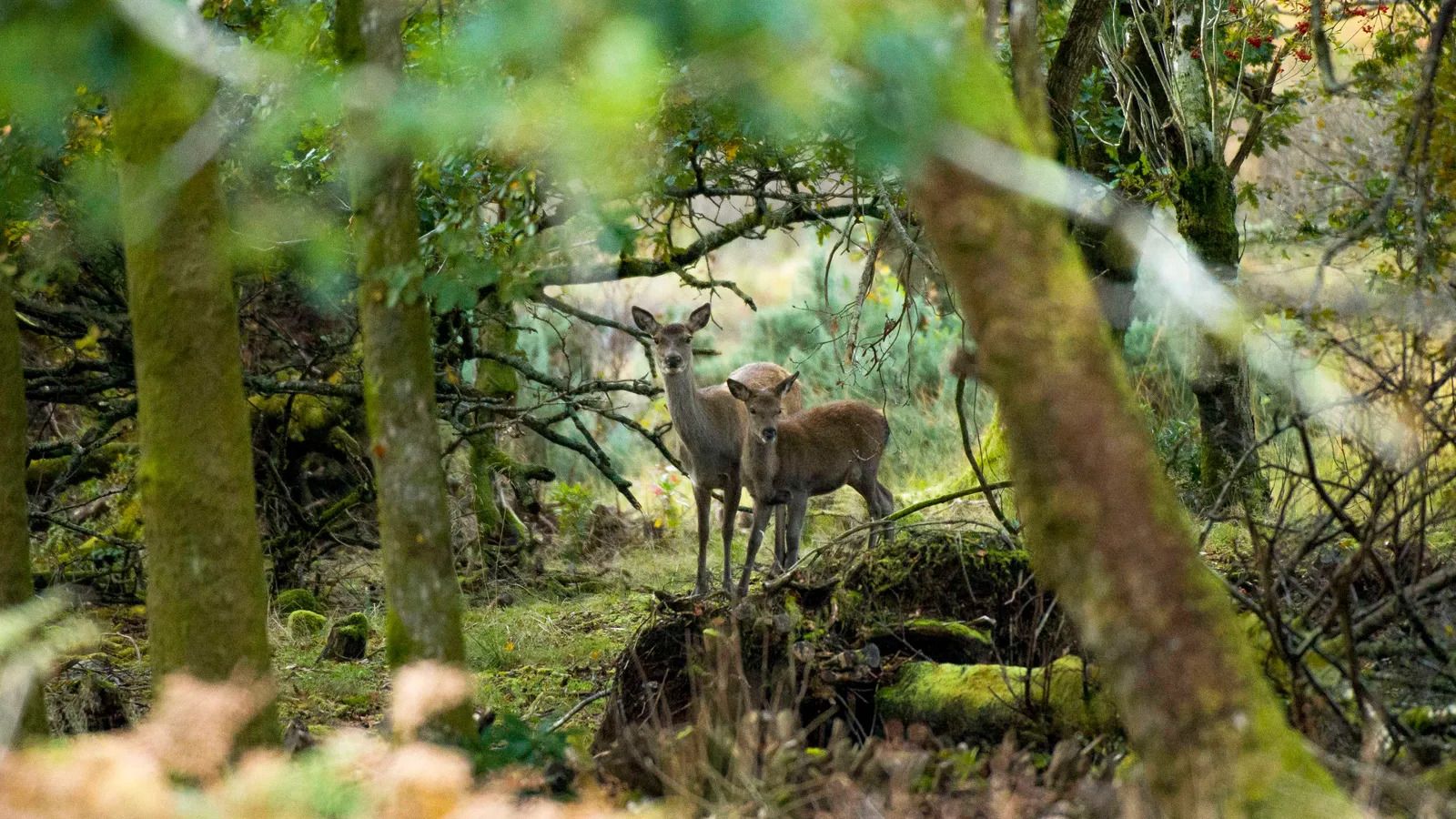 The animals within ecosystems change the amount of carbon they sequester
or release, but putting a figure on that change can be tricky
The animals within ecosystems change the amount of carbon they sequester
or release, but putting a figure on that change can be tricky
Talks at the United Nations' 26th Climate Change Conference of the Parties in Glasgow this November, known as COP26, will address how to implement a global carbon market, enabling countries to trade carbon credits in order to meet their emissions targets. At the same time, private sector investors and companies are looking to carbon markets as a solution to regulatory measures that will enforce decarbonisation. "There's a tremendous political push for this," says Alain Frechette, director of strategic analysis and global engagement at Rights and Resources Initiative (RRI), a community land rights coalition.
In theory, a global carbon market should mean we reduce emissions across the whole planet. Rich countries could meet targets while continuing to emit by paying for reductions elsewhere – and lower income countries could benefit financially from restoring their climate-friendly landscapes. But the devil will be in the details. If we don't get it right, a global carbon market could lead to a land grab that devastates communities living in the world's richest landscapes, and wreaks havoc on wildlife, too. (Read more on how a global carbon market could affect the climate.)
Whatever happens at COP26, action on climate change is already affecting the way we value land and ecosystems. Gabon is a net sequester of carbon thanks to the rainforest that covers most of the country. This year the UN-backed Central African Forest Initiative paid the country $17m (£12m) for reducing emissions from deforestation in recent years.
Similarly, the Seychelles had almost $22m (£16.8m) of national debt paid off by US conservation group The Nature Conservancy in return for protecting its coastal wetlands, another habitat that is a significant carbon sink and home to endangered species, including the hawksbill sea turtle and scalloped hammerhead shark.
For some, putting a price on ecosystem services is how we can make sure nature – or rather, natural capital – is given due weight at the decision-making table
But the myriad ways that land provides for humans by supplying clean air and water, mitigating flood risk, and more – known as "ecosystem services" – have not always been afforded a monetary value. Felling a woodland for timber has a market value, but protecting it to reduce the risk of devastating floods in a local town, for example, usually does not.
The concept of ecosystem services was developed in the 1970s. It was originally intended to highlight our dependence on nature and get people interested in conservation, but later evolved into a way of putting a price tag on those benefits.
Now there is a growing movement towards paying to protect these services. It's not a wholly new idea: in 1989 bottled water brand Vittel, now owned by Nestle, began a consultation that resulted in a financial agreement with farmers upstream of the company's water source, essentially paying them to ensure an aquifer provided clean water.
For some, putting a price on ecosystem services is how we can make sure nature – or rather, natural capital – is given due weight at the decision-making table.
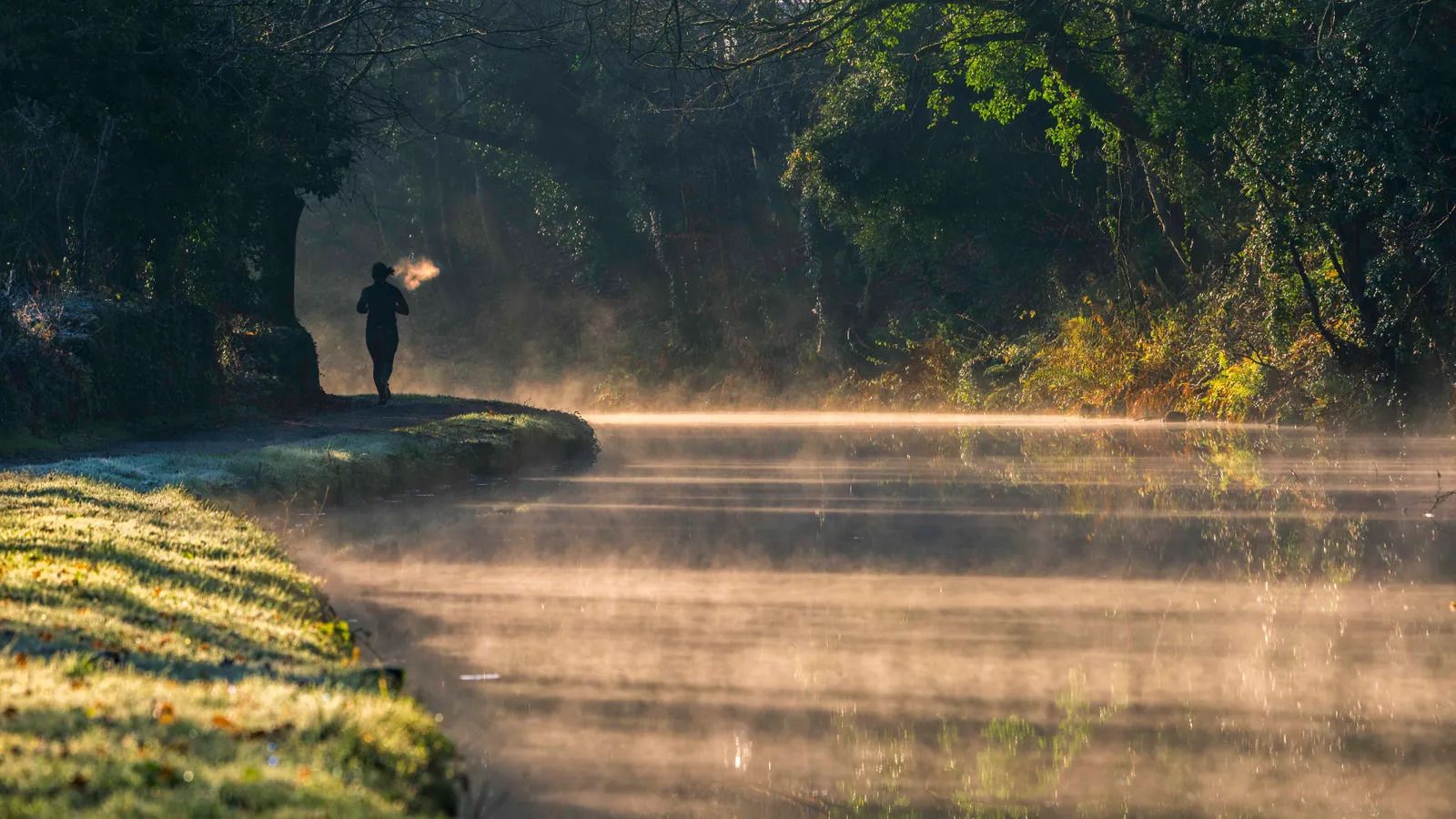 The proponents of calculating ecosystem services argue that they can ensure nature is taken into consideration by policymakers
"It's about 'what is the value that we've not been recognising in the past?', and making sure that we do recognise it today," says Adam Eagle, chief executive of conservation charity The Lifescape Project that set up the Natural Capital Laboratory (NCL) in 2019, alongside infrastructure firm AECOM and the landowners of Birchfield. "It's a really powerful tool when you're talking to decision-makers and policy-makers, explaining to them that actually there is a direct negative economic impact of what they're doing, even if it's hard to see."
So how exactly do we arrive at those financial values? That's what researchers working on the NCL are figuring out. Using a variety of technology – drones, camera traps, audio recording equipment, and more – they are taking stock of the changes in ecosystem services the site provides as it undergoes rewilding.
Take the peat bog the team discovered on the land. They are now monitoring its water level. "We're not fixing it yet, so to speak, we're just leaving it as it was for some time so we can get a baseline," says Eagle. "Once we've taken restoration actions in a couple of years' time, we'll run the same tests again, and we'll be able to show the difference in the water levels." From that they'll be able to work out the net financial gain from restoring the peat bog in terms of its impacts on flood mitigation, water quality and carbon storage.
The project has involved designing a natural capital accounting tool to keep track of the habitats and species present, and the monetary values of the services they provide, which sits alongside a virtual version of the NCL accessible online. At the end of the first year, climate regulation benefits had the largest estimated annual value at £15,238 ($20,710), followed by air quality regulation (£5,958/$8,100) and flood regulation (£4,496/$6,100).
While this approach might work for economists, focusing on ecosystem services doesn't necessarily resonate with other people. "It's certainly skyrocketing in prominence in terms of the language and the thinking that we use to try and promote biodiversity," says Sarah Bekessy at RMIT University in Melbourne, Australia. "But has it really filtered down to being something that is therefore more valued in society?"
Bekessy and her colleagues argue that it has not, pointing to plateauing media coverage of biodiversity, while the planet faces continued deforestation and the extinction risk faced by animals, plants and fungi heads in the wrong direction.
It's not all just in pounds and pence and dollar signs. There is something else that is somewhat intangible that we're missing – Adam Eagle
Some types of landscape risk being overlooked, too. Bekessy and her colleagues looked at habitats over the world and found that small patches of nature – often the kind found in urban environments, or leftover from clearing land for agriculture – have an outsize importance when it comes to conservation. "There's such a lot of valuable biodiversity left in these small, scrappy places that we have systematically degraded over time," she says.
But looking at them through an ecosystem services lens "often leads to the diminishing of those places, because they get low scores in terms of their value", she says, because of their size and the fact that they tend to no longer be ecologically intact.
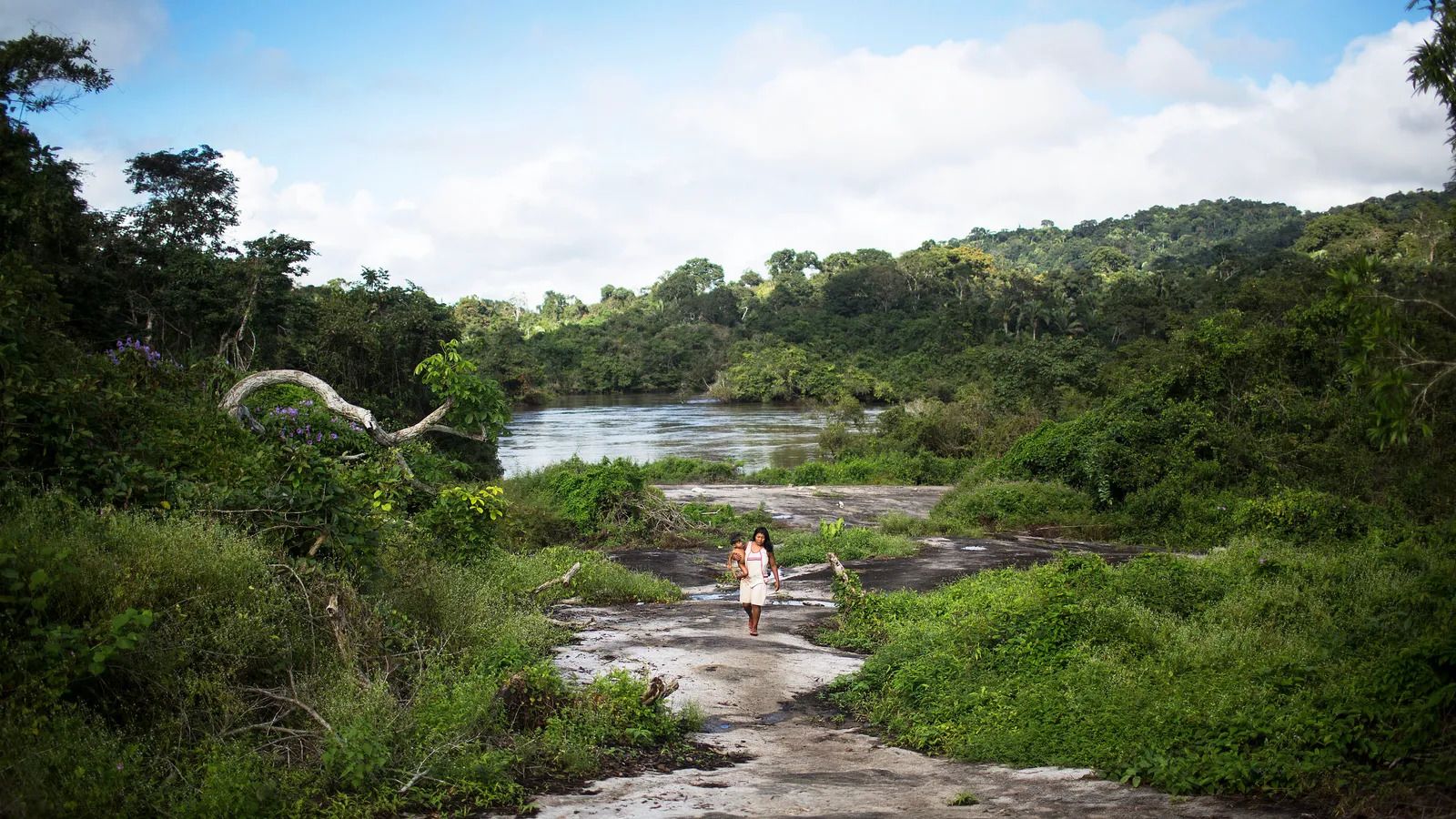 Some argue that not all of the value of ecosystems can be reduced to a dollar sum
For Eagle, while ecosystem services is a useful concept, it doesn't capture all of the value in the natural world. "It's not all just in pounds and pence and dollar signs," he says. "There is something else that is somewhat intangible that we're missing."
The fact that numbers don't tell the whole story is clear when we consider our reaction to changes in our local environment, too. There may be no net difference in carbon if some trees on your street are cut down and replanted elsewhere, for example, but you'll still feel their loss when you step outside. "That's not those trees, that those people have walked past every day," says Bekessy. "That place-based value is a really under-appreciated aspect of nature."
When it comes to action on climate change, focusing too heavily on just carbon storage comes with pitfalls – ecosystems are not simple carbon storage devices but rather complex systems that require complex management to thrive.
It's either a massive opportunity that's going to be a kind of biodiversity renaissance, or a huge global risk to biodiversity conservation – Sarah Bekessy
Bekessy works with conservation organisation Bush Heritage Australia, and says the cost of land has already noticeably increased in the face of a global carbon market. "The land grab that's happening in Australia right now is extraordinary," she says.
"The risk is that organisations that buy land for conservation are going to be pushed out," she says. "The carbon market is going to have some sort of responsibility, therefore, to fill that space and actually be part of the biodiversity solution as well."
Whether or not that happens is down to the details ironed out in Glasgow this November. "It's either a massive opportunity that's going to be a kind of biodiversity renaissance, or a huge global risk to biodiversity conservation, and [the difference] is just going to be a few tweaked policies," she says. "That's why COP26 is so important."
For the people who live in these valuable landscapes, and whose livelihoods depend on them, the stakes are even higher.
A report published earlier this year by Rights and Resources Initiative investigated the legal rights of indigenous peoples, local communities, and Afro-descendant peoples to the carbon in their lands in 31 countries across Africa, Asia and Latin America, which together are home to two-thirds of the world's tropical rainforests. It found that few countries explicitly recognise those rights, and the countries that do often don't have clear legal frameworks to regulate carbon-linked transactions.
"Countries have not made the headway in terms of developing the legal frameworks that would support engagement in these arenas," says Frechette, lead author of the report. "And yet we're plunging straight into this, with the hope that all of these questions will be resolved in the next couple of months."
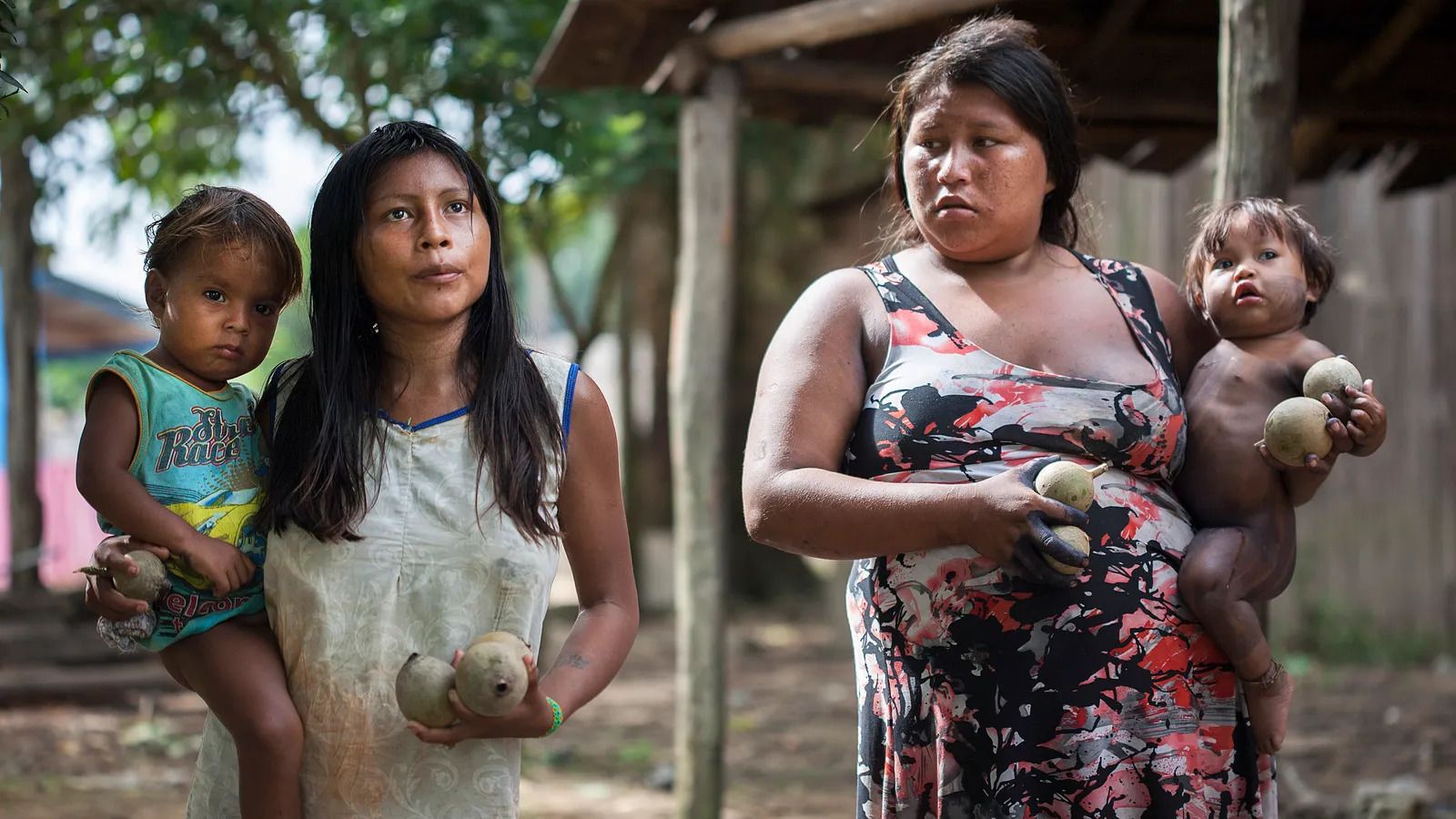 Indigenous communities have been found to be powerful guardians of some of the world's most biodiverse landscapes
Without clear community rights, those who depend on that land are unlikely to benefit when countries trade in its emissions-reducing capabilities, and could face additional challenges. "It's unclear how carbon markets will affect people's rights to pursue their own livelihoods and ensure that they can access the forest for food, timber or resources to meet their basic needs," says Frechette.
Fundamentally, people love the awe and wonder of nature, and it's an absolutely fundamental part of who we all are – Sarah Bekessy
If those community rights were secured, however, the planet would benefit too. A growing body of research shows that indigenous people and local communities are the best guardians of their land, and when they have clear land rights they can play a vital role in climate change mitigation and biodiversity conservation. A UN report on forest governance in Latin America and the Caribbean, for example, showed that when governments formally recognise collective land rights, rates of deforestation are lower.
"Communities have been doing this largely by themselves without support," says Frechette. "Just imagine if they had access to that – if carbon markets did provide benefits for them."
Part of the problem is that governments do not always have people in mind when assessing land for its potential to combat climate change. "When countries draw maps and identify areas where they can do emission reduction studies and so forth, those maps do not show people living there, they never show communities that have been there for decades and centuries," says Frechette.
This idea that humanity exists apart from the rest of nature is dangerous not just for indigenous people and local communities. Some, including philosopher Val Plumwood, have argued that this dualism is at the heart of our environmental crises.
In her bestselling book Braiding Sweetgrass, scientist and member of the Citizen Potawatomi Nation, Robin Wall Kimmerer makes the case for reconnecting with our environment in order to heal the planet: "Restoring land without restoring relationship is an empty exercise. It is relationship that will endure and relationship that will sustain the restored land. Therefore, reconnecting people and the landscape is as essential as reestablishing proper hydrology or cleaning up contaminants. It is medicine for the earth."
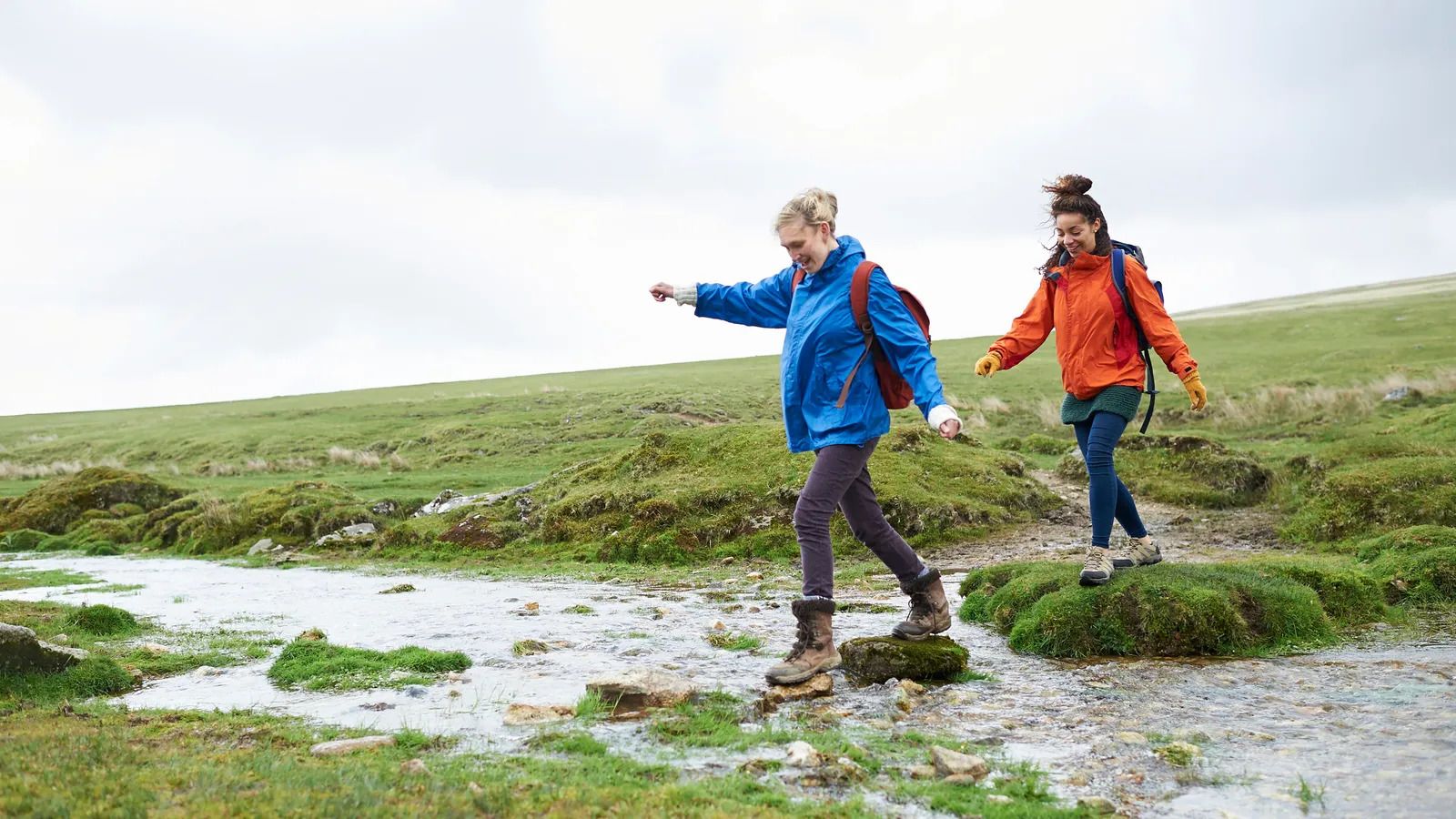 Many people value nature deeply, without seeing it in terms of its monetary worth
During Covid-19 lockdowns around the world, many people started to do just that, developing an attachment to the – perhaps scrappy – nature they found on their doorstep. To many of us the inherent value in nature, and the incalculable ways in which we benefit from connecting with it, are obvious.
"The weird thing is that people do value nature, but it hasn't got the political elevation to affect decision-making in a way that would reflect the values that people have for nature," says Bekessy. "Fundamentally, people love the awe and wonder of nature, and it's an absolutely fundamental part of who we all are."
Whether nurturing our individual relationships with the Earth can trickle up to influence policy – and even keep a global carbon market in check – remains to be seen.
However, there are signs that those who favour a more holistic, rather than transaction-based, relationship with the planet are beginning to have their voices heard. After much debate between delegates from different parts of the world, members of the Intergovernmental Platform on Biodiversity and Ecosystem Services (IPBES) – an IPCC-like initiative for biodiversity – agreed to use the term Mother Earth, alongside the language of ecosystem services, in their conceptual framework.
"I've never seen such language in an international agreement," says Frechette. "It shows that people are shifting and recognising that this is the only ship and mother that we will ever have and if we don't start taking care of her, things are going to go awry."