Arab Press

بالشعب و للشعب
Tuesday, Mar 03, 2026

The world’s hottest smartphone brand is Chinese – and it isn’t Huawei

The world’s hottest smartphone brand is Chinese – and it isn’t Huawei

Xiaomi has benefited from a sanctions-hit Huawei, moving up fast in Europe, Southeast Asia

U.S. sanctions have pummeled Huawei Technologies Co.’s smartphone business. A different Chinese tech company is reaping the benefits.

Xiaomi Corp. has filled the gap left by Huawei in markets from Europe to Southeast Asia to China. It is doing so with a playbook familiar to many Chinese consumer brands: offering functional gadgets comparable to upscale rivals at prices that often undercut them.

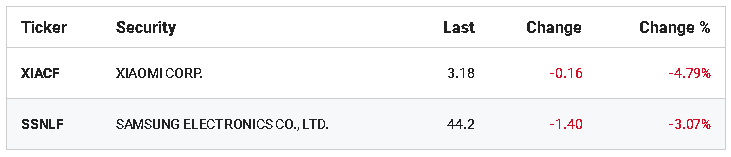
No company globally sold more phones in the month of June, as Beijing-based Xiaomi surged past Samsung Electronics Co. , according to market researcher Counterpoint Research. For the second quarter, Xiaomi leapfrogged Apple Inc. to become world’s No. 2 for the first time.
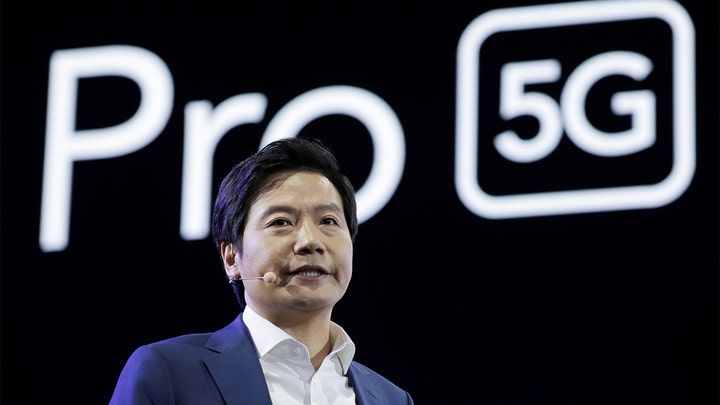
Xiaomi founder and CEO Lei Jun attends a product launch event of Xiaomi Mi9 Pro 5G in Beijing, China September 24, 2019.


In Europe, it grabbed the top spot, with its market share almost doubling to 24% from a year earlier. In price-sensitive markets like Spain, two out of every five phones sold in the second quarter were made by Xiaomi, Counterpoint said. The company was the top vendor in Denmark, Belgium, Ukraine and Russia.

Munza Mushtaq, a freelance journalist in Sri Lanka, swapped her Huawei device in May for a Xiaomi phone. She was driven to make the switch, she said, by the fact that Huawei devices no longer have access to many Google features, a result of U.S. export restrictions.

"Most importantly," she said, was "the fact that Google worked."

John Michael Ausejo, who lives in the Philippines, ditched Huawei last year as well. Shopping for a new device, he found many options too pricey. So he reached for Xiaomi’s Redmi Note 9, which has a battery that can last two days without a charge and has four rear cameras. The phone’s body was made of plastic rather than metal, so he bought a case for protection.

The device cost him about $200. "Everything is there," said Mr. Ausejo, a geoscientist and graduate student.

While other Chinese tech executives keep a low profile, Xiaomi CEO Lei Jun is open about the company’s ambitions. He has said he wants to make the company he founded No. 2 for good, then topple leader Samsung within three years as the world’s largest seller of smartphones.

"We reached the top of the European market and became the number one—the first time a Chinese company has achieved this," Mr. Lei said at an event in Beijing earlier this month. Becoming the world’s largest vendor is within the company’s grasp, he added.

Xiaomi’s resurgence follows years of stalled growth. In 2013, it was China’s leading smartphone company until a wave of domestic rivals, including Huawei, knocked it off its perch. Like Huawei, Xiaomi was briefly the target of a financial blacklisting by the Trump administration earlier this year. But the company successfully fought the action and the Biden administration has indicated it plans to make more focused use of the blacklist.

Xiaomi’s rise is most immediately a product of the fall of Huawei, which only a year ago was the world’s largest maker of smartphones after cornering about a fifth of the global smartphone market. But multiple rounds of U.S. sanctions cut Huawei off from crucial computing chips and software and its second-quarter sales plunged by more than 80% from a year earlier.

"European carriers and retailers have simply swapped out Huawei and swapped in Xiaomi," said Neil Mawston, a mobile industry analyst at market researcher Strategy Analytics.

Despite a recent push into higher-end devices, Xiaomi at heart remains a budget-focused brand. For example, Xiaomi’s Mi11 Ultra matches Samsung’s highest-end Galaxy S21 model on features such as camera quality—but the Chinese company’s device is about $400 cheaper, according to a comparison by Neil Shah, a Counterpoint analyst. Both phones were released earlier this year.

"Xiaomi is reaching Samsung level," he said.

Newsletter

Related Articles

Arab Press
0:00
0:00
Close
Western Navies Sound Alarm as Russian Shadow Tankers Transit NATO Waters in Defiance of Sanctions
U.S. Embassy in Riyadh Struck by Drones Amid Escalating Iran Conflict
Imola Emerges as Standby Venue if Bahrain or Saudi Arabia Grands Prix Are Cancelled
Uncertainty Clouds $24 Billion Gulf Investment Linked to Paramount–WBD Deal
Middle East Strikes Disrupt Qatar LNG, Saudi Refining and Israeli Energy Fields
Gulf States Signal Possible Collective Action Over Iran’s Escalating Strikes
Saudi Arabia Summons Iranian Ambassador After Cross-Border Attacks
Saudi Arabia Intercepts Drones Targeting Ras Tanura Oil Refinery as Conflict Escalates
Saudi Arabia Clarifies It Supported Diplomacy With Iran, Not Military Escalation
Putin and Saudi Crown Prince Confer on Escalating Iran Crisis
Drone Strike Forces Shutdown of Saudi Arabia’s Largest Oil Refinery
Saudi Arabia Signals Harder Line on Iran as Regional Conflict Deepens
Strikes in Qatar and Saudi Arabia Pull Energy Infrastructure Deeper Into Expanding Middle East Conflict
U.S. and Israel Intensify Strikes on Iran as Conflict Expands to Lebanon and Gulf States
Violent Pro-Iranian Protesters Storm U.S. Consulate in Karachi
Missile Debris Sparks Fires at Dubai’s Jebel Ali Port Near Palm Jumeirah
Iran Strikes U.S. Fifth Fleet Headquarters in Bahrain Amid Wider Gulf Retaliation
Emerging Saudi–Turkish Alignment Draws Attention as Potential Strategic Challenge for Israel
Saudi Arabia Unveils $100 Billion Technology Investment Fund to Accelerate Post-Oil Diversification
Saudi Arabia Reaffirms Firm Commitment to Two-State Solution in Renewed Diplomatic Push
Saudi Arabia Launches Central Kitchen in Gaza to Deliver 24,000 Meals a Day
Saudi Arabia Announces $346 Million Support Package for Yemen in Renewed Humanitarian Push
Saudi Investors Increase US Equity Exposure Amid Domestic Market Weakness
Saudi Arabia Unveils Major Desert Gas Development in Strategic Shift Toward Diversified Energy Growth
Satellite Images Indicate Increased Aircraft Presence at Saudi Airbase Hosting US Forces
Telephone Diplomacy Sparks Tensions Between Two Key US Allies After Trump Intervention
Asian LPG Prices Surge After Damage Forces Saudi Aramco Export Disruptions
Saudi Arabia Unveils $100 Billion AI Infrastructure Fund to Challenge US and China
Saudi Stocks Close Lower as Tadawul All Share Index Falls 1.28 Percent
Saudi Arabia Launches Smart Mapping System to Enhance Pilgrim Experience at Holy Sites
Cristiano Ronaldo Acquires 25 Percent Stake in Saudi-Owned Spanish Club Almería
U.S.–Saudi Relations Balance Transactional Deal-Making with Expanding Strategic Ambitions
Israel’s President Herzog Signals Cautious Message on Saudi Ties at UAE Iftar in Tel Aviv
United States and Saudi Arabia Strengthen Security Ties with Joint Explosive Ordnance Disposal Exercise
Saudi Arabia Responds to Israel–UAE Moves in Somalia as Regional Rivalries Intensify
Saudi Arabia Showcases Expanding Defense Ambitions at World Defense Show 2026
SECRETARY RUBIO on IRAN: Iran poses a very great threat to the United States, and has for a very long time.
Larry Summers, the former U.S. Treasury Secretary, is resigning from Harvard University as fallout continues over his ties to Jeffrey Epstein.
U.S. stocks ended higher on Wednesday, with the Dow gaining about six-tenths of a percent, the S&P 500 adding eight-tenths of a percent, and the tech-heavy Nasdaq climbing roughly one-and-a-quarter percent.
Nvidia posted better than expected results for the January quarter on Wednesday and forecast current quarter revenue above market estimates.
Saudi Arabia’s Coffee Renaissance Gains Momentum as Investment and Heritage Drive Industry Growth
Saudi Shipping Leader Bahri Expands Fleet as Tanker Rates Approach $200,000 a Day
Saudi Arabia Advances First National Urban Policy Through High-Level Leadership and Institutional Alliances
Major Life Sciences Summits to Spotlight Saudi Arabia’s Rise as Regional Biotech and Pharma Hub
Saudi Arabia Reframes Red Sea and Horn of Africa Strategy Amid Rising Security and Trade Stakes
Saudi Arabia Recalibrates Its Role in Shifting Regional and Global Power Dynamics
Saudi Retail Signals to Global Brands: Localise or Lose Ground in a Rapidly Evolving Market
Saudi Arabia Looks to Human Capital Investment to Unlock Demographic Dividend
Saudi Arabia and Iran Increase Oil Exports Amid Escalating Middle East Tensions
Saudi Data Protection Authority Intensifies Enforcement Under Personal Data Law
×