Emerging Deal Aims to End Iran War and Reopen Strait of Hormuz
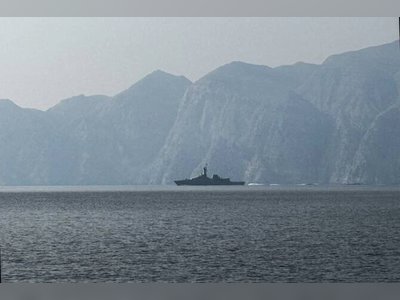
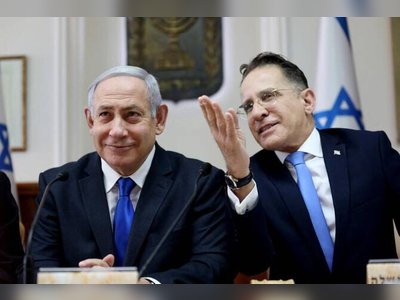
A potential agreement between the United States and Iran is emerging to bring an end to the ongoing war, with a focus on reopening the strategically significant Strait of Hormuz. US President Donald Trump indicated over the weekend that negotiations have been 'largely concluded,' following discussions with Middle Eastern allies, including Israel.
The specifics surrounding the finalization of this deal and its implementation timeline remain uncertain. Key details were shared by regional officials and a US official who spoke under the condition of anonymity to address the sensitive nature of these negotiations.
According to available information:
-
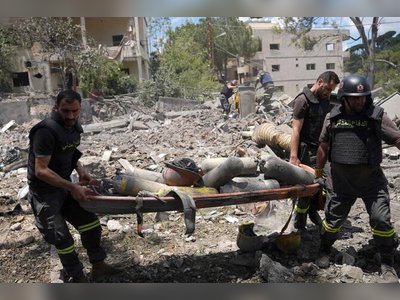
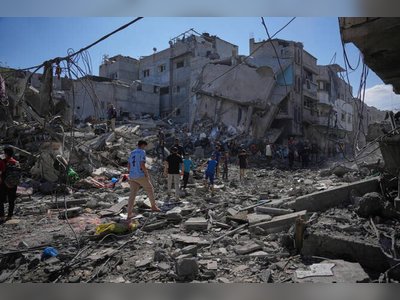
End of Hostilities: The agreement aims to cease all warfare, including between Israel and Hezbollah in Lebanon, where fighting has been particularly intense since the conflict's onset. This development would alleviate concerns across the region, which witnessed attacks on Gulf nations like the United Arab Emirates. It would restore global shipping via the Strait of Hormuz and allow infrastructure reconstruction.
-
Reopening of the Strait of Hormuz: The gradual reopening of the Strait is proposed to parallel the US lifting its blockade of Iran's ports, initiated on April 17. This measure has constrained Iran's ability to export oil and import necessary economic resources.
-
Iranian Uranium Stockpile: Tehran would relinquish its stockpile of highly enriched uranium, a critical component in nuclear weapon development. How this transfer will occur is subject to further negotiations over a 60-day period, potentially involving dilution or movement of the material to countries like Russia, which has offered assistance.
-
Missile Program and Other Issues: Specifics regarding Iran's missile program and any discussions on leadership change within Tehran remain absent from current descriptions of the deal. Additionally, no mention has been made of US troop withdrawal from the region or compensation for damages incurred during the conflict.