
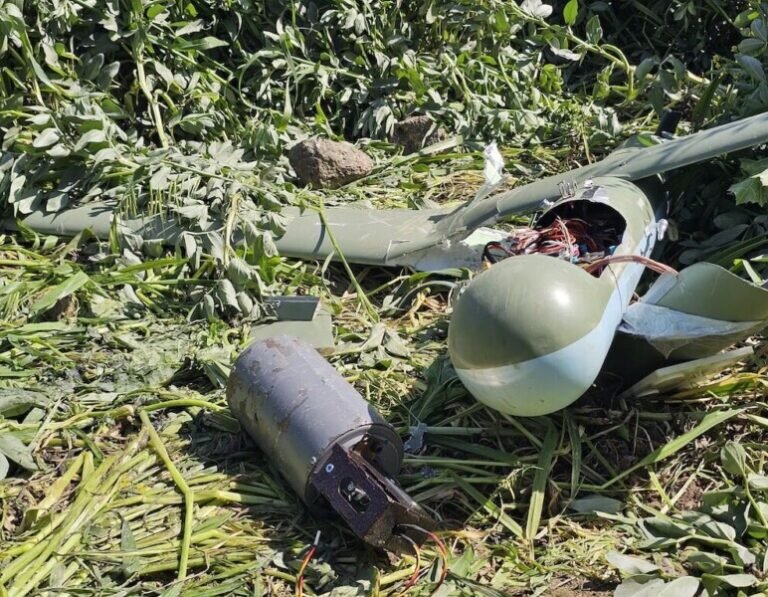
Drone Strikes in Gulf Escalate Tensions as Iran-Linked Conflict Stalemate Deepens
Attacks on infrastructure in the UAE and Saudi Arabia highlight persistent regional spillover risks amid an unresolved Iran-centred security confrontation
EVENT-DRIVEN escalation in the Gulf security environment has intensified after drones struck targets in the United Arab Emirates and Saudi Arabia, underscoring the continuing instability linked to the broader confrontation involving Iran and its regional network of allied groups.
The incidents reflect a pattern of cross-border strikes that have periodically disrupted critical infrastructure across the Gulf, even as direct large-scale military escalation between state actors has remained constrained.
What is confirmed is that both the UAE and Saudi Arabia have faced drone and missile threats in recent years, with energy facilities, airports, and industrial sites among the recurring targets.
These attacks are widely attributed by regional governments and international observers to Iran-aligned armed groups operating across the region, although direct responsibility is often difficult to verify independently due to the complexity of proxy networks and fragmented battle lines.
The mechanism behind these strikes relies on relatively low-cost unmanned aerial systems and missiles capable of traveling long distances with limited detection.
Such systems have become central to modern asymmetric warfare in the Middle East, allowing non-state actors or proxy forces to target high-value infrastructure without engaging in conventional military confrontation.
The result is a persistent security challenge for Gulf states whose economies depend heavily on uninterrupted energy production and global trade connectivity.
The broader strategic context is shaped by the unresolved confrontation between Iran and its regional rivals, including Saudi Arabia and, indirectly, the United States and its partners.
While periods of diplomatic engagement have occurred, underlying tensions over security influence, missile capabilities, and regional proxy conflicts have not been fully resolved.
This has created a cycle in which de-escalation efforts coexist with episodic bursts of violence.
Saudi Arabia has previously been targeted by drone and missile attacks on oil infrastructure, most notably incidents that temporarily disrupted major production facilities and exposed vulnerabilities in air defense coverage.
The UAE has similarly experienced drone strikes affecting airports and industrial zones, reinforcing concerns that civilian and economic infrastructure remains within reach of long-range unmanned systems.
Air defense systems across the Gulf have expanded significantly in response, integrating missile interception platforms, radar networks, and early warning systems.
However, the evolving nature of drone warfare continues to challenge traditional defense architectures, particularly when attacks are launched in coordinated waves or from multiple directions.
The economic stakes are substantial.
Gulf states, particularly Saudi Arabia and the UAE, are central nodes in global energy markets, and any disruption to production or export infrastructure can have immediate implications for global oil pricing and supply stability.
Even unsuccessful attacks that are intercepted can generate market sensitivity due to perceived risk escalation.
Diplomatically, the continued risk of strikes complicates efforts to stabilize regional relations.
Attempts at normalization and de-escalation have periodically reduced tensions, but the persistence of proxy-linked attacks reinforces mistrust and sustains high defense spending across the region.
It also places external powers, including the United States, in a continuing balancing role between deterrence and crisis management.
The immediate implication of the latest drone incidents is a renewed focus on Gulf air defense readiness and regional security coordination, as states reassess vulnerabilities exposed by the continued use of long-range unmanned systems in an unresolved regional conflict environment.
The incidents reflect a pattern of cross-border strikes that have periodically disrupted critical infrastructure across the Gulf, even as direct large-scale military escalation between state actors has remained constrained.
What is confirmed is that both the UAE and Saudi Arabia have faced drone and missile threats in recent years, with energy facilities, airports, and industrial sites among the recurring targets.
These attacks are widely attributed by regional governments and international observers to Iran-aligned armed groups operating across the region, although direct responsibility is often difficult to verify independently due to the complexity of proxy networks and fragmented battle lines.
The mechanism behind these strikes relies on relatively low-cost unmanned aerial systems and missiles capable of traveling long distances with limited detection.
Such systems have become central to modern asymmetric warfare in the Middle East, allowing non-state actors or proxy forces to target high-value infrastructure without engaging in conventional military confrontation.
The result is a persistent security challenge for Gulf states whose economies depend heavily on uninterrupted energy production and global trade connectivity.
The broader strategic context is shaped by the unresolved confrontation between Iran and its regional rivals, including Saudi Arabia and, indirectly, the United States and its partners.
While periods of diplomatic engagement have occurred, underlying tensions over security influence, missile capabilities, and regional proxy conflicts have not been fully resolved.
This has created a cycle in which de-escalation efforts coexist with episodic bursts of violence.
Saudi Arabia has previously been targeted by drone and missile attacks on oil infrastructure, most notably incidents that temporarily disrupted major production facilities and exposed vulnerabilities in air defense coverage.
The UAE has similarly experienced drone strikes affecting airports and industrial zones, reinforcing concerns that civilian and economic infrastructure remains within reach of long-range unmanned systems.
Air defense systems across the Gulf have expanded significantly in response, integrating missile interception platforms, radar networks, and early warning systems.
However, the evolving nature of drone warfare continues to challenge traditional defense architectures, particularly when attacks are launched in coordinated waves or from multiple directions.
The economic stakes are substantial.
Gulf states, particularly Saudi Arabia and the UAE, are central nodes in global energy markets, and any disruption to production or export infrastructure can have immediate implications for global oil pricing and supply stability.
Even unsuccessful attacks that are intercepted can generate market sensitivity due to perceived risk escalation.
Diplomatically, the continued risk of strikes complicates efforts to stabilize regional relations.
Attempts at normalization and de-escalation have periodically reduced tensions, but the persistence of proxy-linked attacks reinforces mistrust and sustains high defense spending across the region.
It also places external powers, including the United States, in a continuing balancing role between deterrence and crisis management.
The immediate implication of the latest drone incidents is a renewed focus on Gulf air defense readiness and regional security coordination, as states reassess vulnerabilities exposed by the continued use of long-range unmanned systems in an unresolved regional conflict environment.