Hajj Begins in Extreme Heat as Regional Conflicts Shape Security and Crowd Conditions
Millions of Muslim pilgrims start the annual pilgrimage in Saudi Arabia amid high temperatures, intensified crowd management, and heightened concern over wider Middle East instability.
The story is event-driven: the annual Hajj pilgrimage, one of the largest recurring mass gatherings in the world, unfolding under extreme heat conditions while regional security tensions and conflict risks shape the operational and humanitarian environment.
What is confirmed is that Muslim pilgrims from around the world have begun performing the Hajj in and around Mecca in Saudi Arabia, gathering for a series of tightly scheduled religious rituals that take place over several days.
The pilgrimage includes mass movements between key holy sites, including Mina, Arafat, and Muzdalifah, requiring extensive logistics, crowd control, and public safety coordination by Saudi authorities.
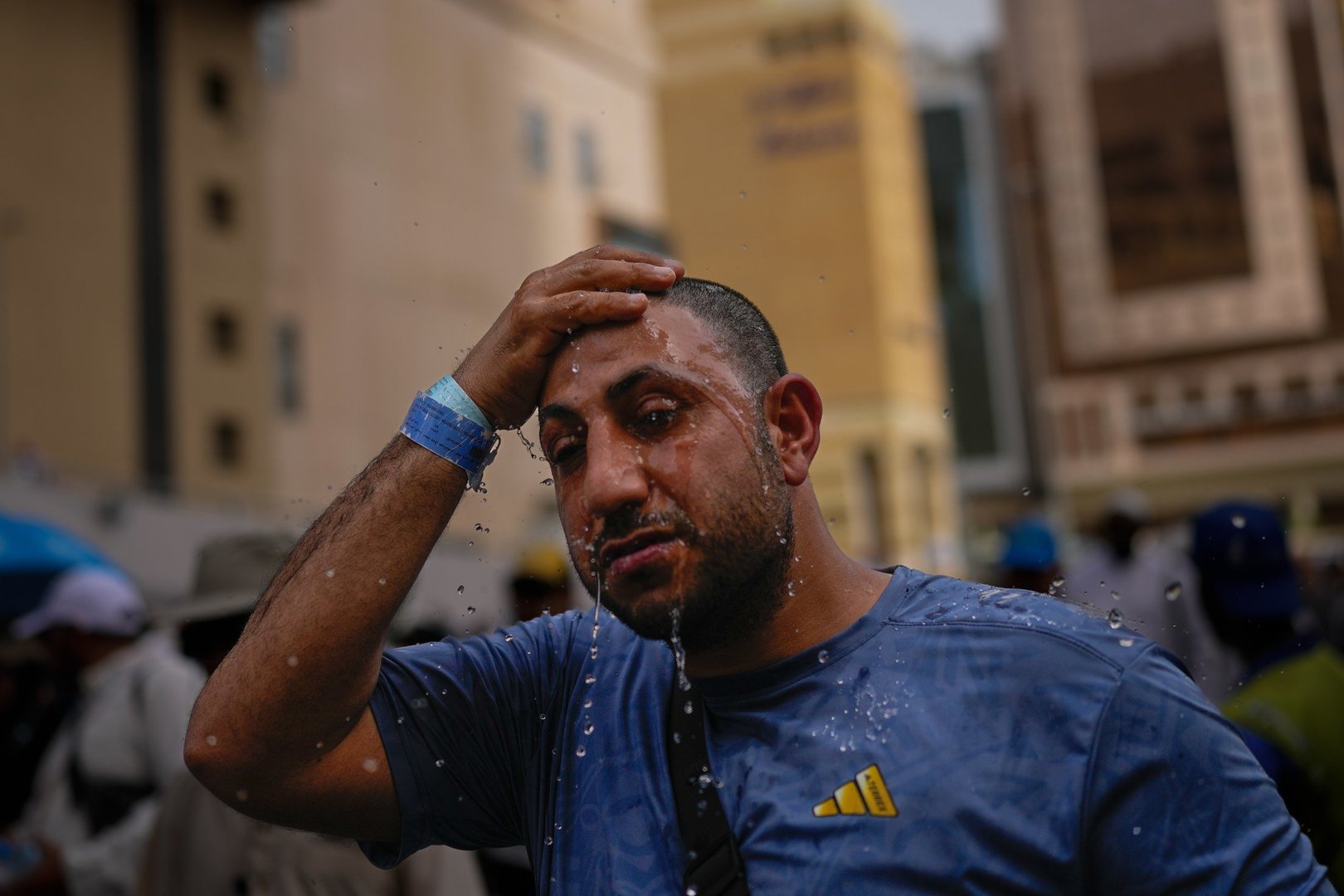
This year’s Hajj is taking place under particularly challenging environmental conditions.
Temperatures in the region have reached extreme summer highs typical of the Arabian Peninsula, significantly increasing the risk of heat exhaustion, dehydration, and heatstroke among pilgrims.
Saudi authorities typically deploy large-scale cooling systems, medical stations, and emergency response units to mitigate these risks, but the density of the pilgrimage makes heat a persistent hazard.
The operational complexity of the Hajj is further intensified by global travel volumes.
Pilgrims arrive from dozens of countries through tightly regulated quota systems designed to manage crowd density and safety.
Once inside the holy sites, movement is structured according to fixed schedules and corridors to prevent overcrowding during peak rituals such as the standing at Arafat, which is the central moment of the pilgrimage.
Alongside environmental pressures, regional geopolitical tensions form a broader backdrop.
Ongoing conflicts in parts of the Middle East contribute to heightened sensitivity around security, travel routes, and diplomatic coordination.
While the pilgrimage itself is strictly managed within Saudi territory and insulated from direct conflict zones, broader instability in the region increases the importance of surveillance, contingency planning, and international coordination.
Saudi Arabia’s management of the Hajj relies on a layered system combining digital identification, transport scheduling, health monitoring, and security deployment.
In recent years, authorities have expanded the use of technology for crowd tracking and logistics optimization, aiming to reduce bottlenecks and improve emergency response times during peak movement phases.
The stakes of the Hajj extend beyond religious significance.
It is also a major test of state capacity, public health preparedness, and crisis management under extreme conditions.
Any failure in crowd control or heat mitigation can lead to large-scale casualties, given the density and movement patterns involved.
At the same time, the pilgrimage functions as a global convergence point for Muslims from vastly different political and cultural contexts.
This creates a unique environment in which international tensions are present indirectly but must be carefully managed to avoid disruption of religious obligations or safety operations.
What is now unfolding is a carefully choreographed mass movement under environmental stress and geopolitical sensitivity, where the primary objective is the safe completion of rituals within a tightly controlled logistical and security framework.
What is confirmed is that Muslim pilgrims from around the world have begun performing the Hajj in and around Mecca in Saudi Arabia, gathering for a series of tightly scheduled religious rituals that take place over several days.
The pilgrimage includes mass movements between key holy sites, including Mina, Arafat, and Muzdalifah, requiring extensive logistics, crowd control, and public safety coordination by Saudi authorities.
This year’s Hajj is taking place under particularly challenging environmental conditions.
Temperatures in the region have reached extreme summer highs typical of the Arabian Peninsula, significantly increasing the risk of heat exhaustion, dehydration, and heatstroke among pilgrims.
Saudi authorities typically deploy large-scale cooling systems, medical stations, and emergency response units to mitigate these risks, but the density of the pilgrimage makes heat a persistent hazard.
The operational complexity of the Hajj is further intensified by global travel volumes.
Pilgrims arrive from dozens of countries through tightly regulated quota systems designed to manage crowd density and safety.
Once inside the holy sites, movement is structured according to fixed schedules and corridors to prevent overcrowding during peak rituals such as the standing at Arafat, which is the central moment of the pilgrimage.
Alongside environmental pressures, regional geopolitical tensions form a broader backdrop.
Ongoing conflicts in parts of the Middle East contribute to heightened sensitivity around security, travel routes, and diplomatic coordination.
While the pilgrimage itself is strictly managed within Saudi territory and insulated from direct conflict zones, broader instability in the region increases the importance of surveillance, contingency planning, and international coordination.
Saudi Arabia’s management of the Hajj relies on a layered system combining digital identification, transport scheduling, health monitoring, and security deployment.
In recent years, authorities have expanded the use of technology for crowd tracking and logistics optimization, aiming to reduce bottlenecks and improve emergency response times during peak movement phases.
The stakes of the Hajj extend beyond religious significance.
It is also a major test of state capacity, public health preparedness, and crisis management under extreme conditions.
Any failure in crowd control or heat mitigation can lead to large-scale casualties, given the density and movement patterns involved.
At the same time, the pilgrimage functions as a global convergence point for Muslims from vastly different political and cultural contexts.
This creates a unique environment in which international tensions are present indirectly but must be carefully managed to avoid disruption of religious obligations or safety operations.
What is now unfolding is a carefully choreographed mass movement under environmental stress and geopolitical sensitivity, where the primary objective is the safe completion of rituals within a tightly controlled logistical and security framework.