Why Trump’s ‘Largely Negotiated’ Iran Deal Language Is Raising Alarm in Saudi Arabia
Riyadh fears that a fast-moving US-Iran framework could stabilize shipping and energy markets while leaving the core nuclear dispute unresolved and reshaping Gulf security calculations.
US President Donald Trump’s description of a new Iran agreement as “largely negotiated” has exposed a growing strategic anxiety inside Saudi Arabia: the possibility that Washington is moving toward a limited stabilization deal with Tehran that reduces immediate military pressure without decisively addressing Iran’s nuclear capabilities.
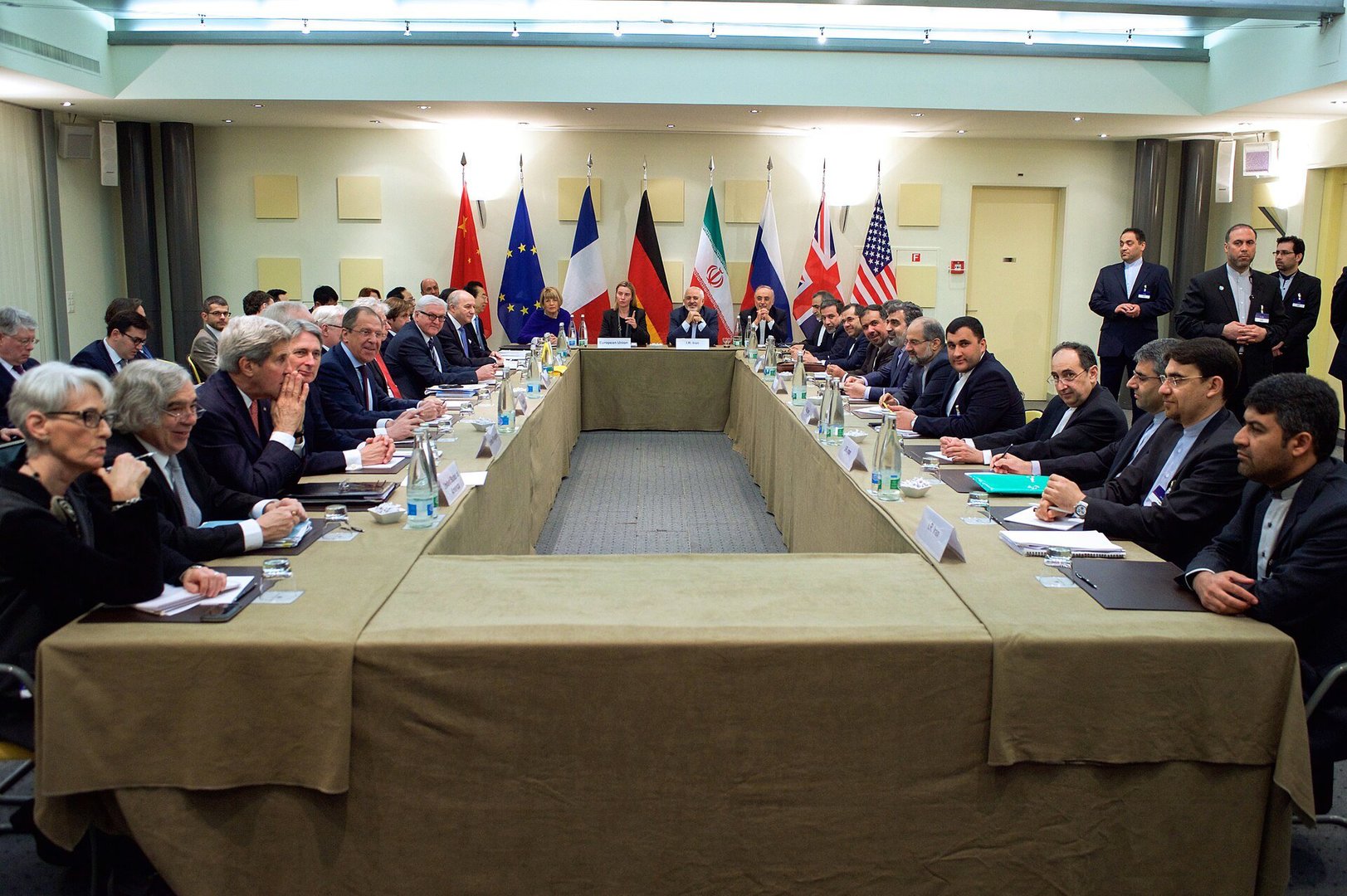
The phrase has become politically consequential because Trump’s public comments suggest that the emerging framework focuses first on ending hostilities, reopening the Strait of Hormuz and reducing economic disruption, while postponing the most difficult nuclear questions to later negotiations.
That sequencing matters enormously for Saudi Arabia, which has spent years warning that temporary de-escalation arrangements can harden into permanent strategic imbalances.
What is confirmed is that Trump said a memorandum tied to ending the conflict with Iran had been “largely negotiated” following consultations with Saudi Arabia, the United Arab Emirates, Qatar, Egypt, Jordan, Turkey, Pakistan and Bahrain.
He also indicated that reopening the Strait of Hormuz was central to the emerging arrangement.
Iranian-linked reporting has partially contradicted Trump’s framing.
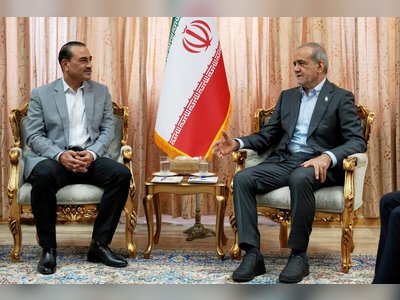
Iranian outlets acknowledged active negotiations and a developing framework but disputed suggestions that Tehran had surrendered control over Hormuz or accepted major concessions on its nuclear position.
That disagreement is important because it reveals the central tension in the current diplomacy: Washington appears eager to secure rapid regional stabilization, while Tehran is attempting to preserve leverage gained during the conflict.
For Saudi Arabia, the problem is not merely whether a ceasefire holds.
The deeper concern is that the United States could normalize coexistence with an Iran that retains advanced enrichment capacity, strategic missile infrastructure and expanded regional bargaining power after surviving a direct confrontation.
The core Saudi calculation has changed significantly over the past decade.
Riyadh once viewed direct confrontation with Iran as unavoidable.
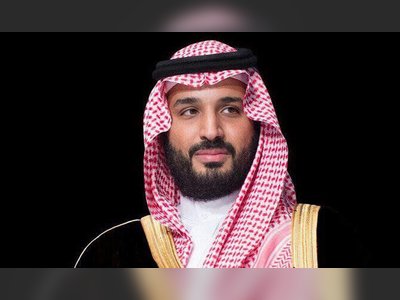
More recently, Crown Prince Mohammed bin Salman shifted toward managed coexistence in order to protect economic modernization plans tied to Vision 2030. That strategy depended on reducing regional volatility without permanently conceding strategic advantage to Tehran.
The current negotiations threaten to complicate that balance.
If sanctions are eased, shipping lanes reopen and Iran regains partial economic breathing room before strict nuclear constraints are finalized, Gulf officials fear Tehran could emerge economically stronger while preserving much of its strategic deterrent.
Another issue is nuclear asymmetry.
Saudi Arabia has repeatedly signaled that it does not want to remain permanently constrained if Iran retains industrial-scale enrichment capability.
Riyadh has simultaneously pursued civilian nuclear ambitions and deeper security coordination with Washington.
Any agreement perceived as tolerating Iranian enrichment while restricting Saudi flexibility could reopen tensions inside the US-Saudi relationship.
The economic dimension is equally significant.
Saudi Arabia needs long-term regional stability to sustain foreign investment, tourism expansion, infrastructure megaprojects and energy diversification efforts.
Even short disruptions in Gulf shipping routes have immediate consequences for oil prices, aviation costs, insurance markets and investor confidence.
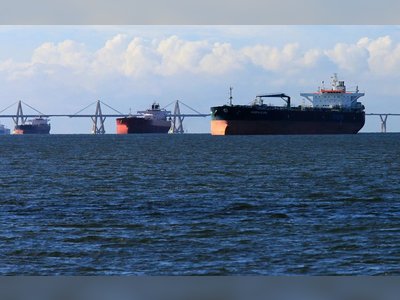
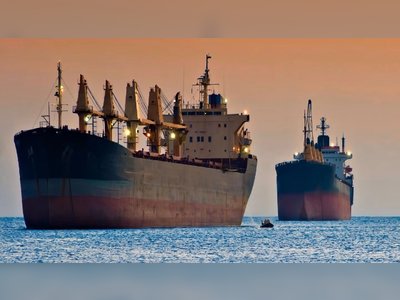
The Strait of Hormuz remains the central pressure point.
Roughly one-fifth of global oil trade normally passes through the narrow maritime corridor.
Its disruption during the conflict sharply increased energy market volatility and renewed fears of global inflation shocks.
Riyadh strongly supports reopening the waterway, but Saudi officials also understand that whoever controls leverage over Hormuz possesses enormous geopolitical influence.
That is why Trump’s wording drew scrutiny.
Saying a deal is “largely negotiated” before detailed terms are public creates uncertainty about what has actually been agreed.
It also risks generating different expectations among allies, markets and adversaries simultaneously.
Inside the Gulf, there is cautious support for diplomacy but little appetite for strategic ambiguity.
Saudi Arabia, the UAE and other regional states have spent years strengthening missile defense systems, upgrading maritime security and diversifying economic exposure because they no longer assume that US military dominance alone can guarantee regional order.
The negotiations also reveal Saudi Arabia’s increasingly independent diplomatic posture.
Riyadh is no longer acting simply as a passive US security partner.
The kingdom has become a central participant in regional crisis management, balancing relations with Washington, maintaining channels with Tehran and coordinating with emerging middle powers including Turkey and Pakistan.
At the same time, Saudi leaders are aware of the domestic and regional political optics.
Any agreement that appears to reward Iran after months of confrontation could trigger criticism among Gulf security circles and allied regional governments.
Conversely, a collapse in diplomacy followed by renewed war would threaten the economic transformation agenda on which Mohammed bin Salman has staked his legitimacy.
The broader implication is that the Middle East is entering a new phase in which Gulf states are attempting to contain conflict while preparing for long-term strategic competition rather than decisive resolution.
Saudi Arabia’s concern is not only what the current agreement says, but what it normalizes.
For Riyadh, the cost of the phrase “largely negotiated” is the possibility that the region secures temporary calm while institutionalizing a balance of power that leaves Iran economically recovered, strategically intact and permanently embedded as a threshold nuclear-state actor in the Gulf security order.
The phrase has become politically consequential because Trump’s public comments suggest that the emerging framework focuses first on ending hostilities, reopening the Strait of Hormuz and reducing economic disruption, while postponing the most difficult nuclear questions to later negotiations.
That sequencing matters enormously for Saudi Arabia, which has spent years warning that temporary de-escalation arrangements can harden into permanent strategic imbalances.
What is confirmed is that Trump said a memorandum tied to ending the conflict with Iran had been “largely negotiated” following consultations with Saudi Arabia, the United Arab Emirates, Qatar, Egypt, Jordan, Turkey, Pakistan and Bahrain.
He also indicated that reopening the Strait of Hormuz was central to the emerging arrangement.
Iranian-linked reporting has partially contradicted Trump’s framing.
Iranian outlets acknowledged active negotiations and a developing framework but disputed suggestions that Tehran had surrendered control over Hormuz or accepted major concessions on its nuclear position.
That disagreement is important because it reveals the central tension in the current diplomacy: Washington appears eager to secure rapid regional stabilization, while Tehran is attempting to preserve leverage gained during the conflict.
For Saudi Arabia, the problem is not merely whether a ceasefire holds.
The deeper concern is that the United States could normalize coexistence with an Iran that retains advanced enrichment capacity, strategic missile infrastructure and expanded regional bargaining power after surviving a direct confrontation.
The core Saudi calculation has changed significantly over the past decade.
Riyadh once viewed direct confrontation with Iran as unavoidable.
More recently, Crown Prince Mohammed bin Salman shifted toward managed coexistence in order to protect economic modernization plans tied to Vision 2030. That strategy depended on reducing regional volatility without permanently conceding strategic advantage to Tehran.
The current negotiations threaten to complicate that balance.
If sanctions are eased, shipping lanes reopen and Iran regains partial economic breathing room before strict nuclear constraints are finalized, Gulf officials fear Tehran could emerge economically stronger while preserving much of its strategic deterrent.
Another issue is nuclear asymmetry.
Saudi Arabia has repeatedly signaled that it does not want to remain permanently constrained if Iran retains industrial-scale enrichment capability.
Riyadh has simultaneously pursued civilian nuclear ambitions and deeper security coordination with Washington.
Any agreement perceived as tolerating Iranian enrichment while restricting Saudi flexibility could reopen tensions inside the US-Saudi relationship.
The economic dimension is equally significant.
Saudi Arabia needs long-term regional stability to sustain foreign investment, tourism expansion, infrastructure megaprojects and energy diversification efforts.
Even short disruptions in Gulf shipping routes have immediate consequences for oil prices, aviation costs, insurance markets and investor confidence.
The Strait of Hormuz remains the central pressure point.
Roughly one-fifth of global oil trade normally passes through the narrow maritime corridor.
Its disruption during the conflict sharply increased energy market volatility and renewed fears of global inflation shocks.
Riyadh strongly supports reopening the waterway, but Saudi officials also understand that whoever controls leverage over Hormuz possesses enormous geopolitical influence.
That is why Trump’s wording drew scrutiny.
Saying a deal is “largely negotiated” before detailed terms are public creates uncertainty about what has actually been agreed.
It also risks generating different expectations among allies, markets and adversaries simultaneously.
Inside the Gulf, there is cautious support for diplomacy but little appetite for strategic ambiguity.
Saudi Arabia, the UAE and other regional states have spent years strengthening missile defense systems, upgrading maritime security and diversifying economic exposure because they no longer assume that US military dominance alone can guarantee regional order.
The negotiations also reveal Saudi Arabia’s increasingly independent diplomatic posture.
Riyadh is no longer acting simply as a passive US security partner.
The kingdom has become a central participant in regional crisis management, balancing relations with Washington, maintaining channels with Tehran and coordinating with emerging middle powers including Turkey and Pakistan.
At the same time, Saudi leaders are aware of the domestic and regional political optics.
Any agreement that appears to reward Iran after months of confrontation could trigger criticism among Gulf security circles and allied regional governments.
Conversely, a collapse in diplomacy followed by renewed war would threaten the economic transformation agenda on which Mohammed bin Salman has staked his legitimacy.
The broader implication is that the Middle East is entering a new phase in which Gulf states are attempting to contain conflict while preparing for long-term strategic competition rather than decisive resolution.
Saudi Arabia’s concern is not only what the current agreement says, but what it normalizes.
For Riyadh, the cost of the phrase “largely negotiated” is the possibility that the region secures temporary calm while institutionalizing a balance of power that leaves Iran economically recovered, strategically intact and permanently embedded as a threshold nuclear-state actor in the Gulf security order.