War Shadows Hajj as Thousands of Iranians Enter Saudi Arabia for Pilgrimage
The annual pilgrimage to Mecca is unfolding under extraordinary regional tension as Iran and Saudi Arabia manage fragile coexistence during a wider Middle East conflict.
Saudi Arabia’s management of the Hajj pilgrimage has become a geopolitical stress test as tens of thousands of Iranian pilgrims travel to Mecca during the most dangerous period in Saudi-Iranian relations in years.
The pilgrimage, one of Islam’s central religious obligations, is proceeding while the wider Middle East remains destabilized by recent military escalation involving Iran, Gulf states, Israel and the United States.
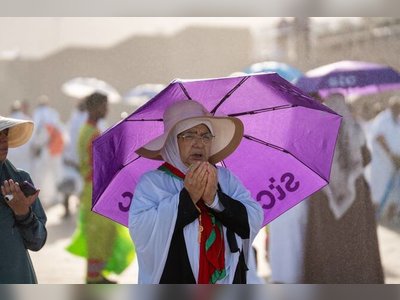
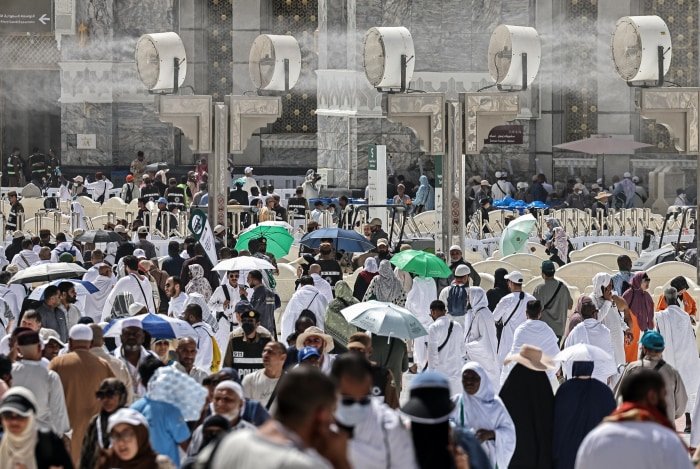
More than one million pilgrims have already arrived in Saudi Arabia for the annual gathering.
What has drawn particular scrutiny is the confirmed arrival of roughly thirty thousand Iranian pilgrims despite months of regional attacks, retaliatory strikes and direct security confrontations involving Tehran and Gulf countries.
Saudi Arabia has tightened controls around the pilgrimage and publicly banned political slogans, sectarian demonstrations and unauthorized gatherings.
The core issue is not simply religious travel.
The Hajj has historically functioned as both a spiritual event and a sensitive political arena between Sunni-majority Saudi Arabia and Shia-majority Iran.
Past confrontations during the pilgrimage have produced deadly consequences, most notably the 1987 clashes in Mecca that killed hundreds of people after political demonstrations involving Iranian pilgrims escalated into violence.
The memory of those events continues to shape Saudi security policy.
This year’s pilgrimage is taking place after months of military tension across the Gulf.
Iranian missile and drone attacks earlier in the year targeted Saudi and Gulf infrastructure following a broader regional war connected to strikes on Iran.
Saudi Arabia publicly condemned those attacks and later intensified security coordination across the kingdom.
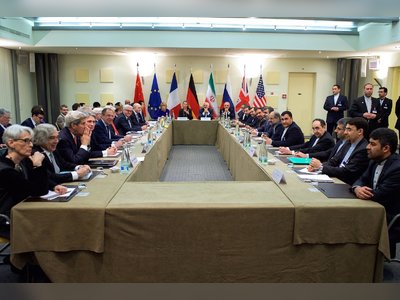
Diplomatic ties between Riyadh and Tehran technically remain in place after their Chinese-brokered rapprochement in 2023, but the relationship has deteriorated sharply under wartime pressure.
What is confirmed is that Saudi authorities have massively expanded security operations around Mecca, Medina and major pilgrimage routes.
Officials have warned pilgrims against raising flags, chanting political slogans or engaging in demonstrations.
Saudi authorities view politicization of the pilgrimage as a direct threat to public order, especially during a year when millions of people from rival states and sectarian backgrounds are gathering in confined spaces.
The number of Iranian pilgrims appears significantly lower than pre-war expectations.
Iranian state-linked reporting indicated that wartime conditions, disrupted air routes and regional instability reduced participation.
Even so, the arrival of tens of thousands of Iranian citizens inside Saudi territory carries strategic implications beyond religion.
The Hajj effectively creates a temporary zone where Saudi Arabia must guarantee the safety of Iranian nationals despite deep hostility between the two states.
Any attack, unrest, stampede or politically charged confrontation involving Iranian pilgrims could trigger immediate regional fallout.
That reality has created a strong incentive for both Riyadh and Tehran to avoid escalation during the pilgrimage period.
Saudi Arabia also faces reputational stakes.
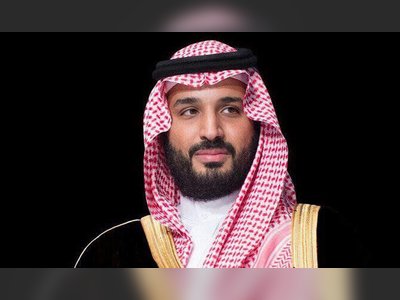
Crown Prince Mohammed bin Salman has spent years attempting to position the kingdom as a stable investment and tourism destination under his Vision 2030 economic transformation agenda.
A secure Hajj season is critical to that image.
The kingdom has expanded religious tourism infrastructure, upgraded transportation systems and increased crowd-management technology to reinforce its role as custodian of Islam’s holiest sites.
For Iran, participation in the pilgrimage carries religious legitimacy and political symbolism.
Iranian leaders cannot easily suspend Hajj access without appearing to abandon a core Islamic obligation.
At the same time, Tehran must balance domestic expectations with the practical risks of sending citizens into a rival state during a period of open regional hostility.
The atmosphere surrounding the pilgrimage reflects a broader transformation in Middle Eastern politics.
Gulf states that once tried to isolate Iran have increasingly pursued limited coexistence while simultaneously strengthening military preparedness.
Saudi Arabia itself has shifted from a purely defensive posture toward a more assertive regional security role after repeated attacks on its territory and energy infrastructure.
Pilgrims arriving from outside the region are also confronting the effects of the conflict.
Airlines have altered routes because of airspace risks.
Travel costs have risen sharply.
Security warnings remain active across parts of the Gulf.
Some pilgrims delayed or canceled travel plans entirely because of fears linked to drones, missile attacks and broader instability.
Yet the pilgrimage continues largely because of the religious weight attached to it.
For many Muslims, Hajj is viewed not as discretionary travel but as a once-in-a-lifetime spiritual obligation.
That conviction has kept participation high despite war fears and logistical disruption.
Saudi authorities now face the immediate task of moving more than a million people safely through one of the world’s largest annual gatherings while preventing the regional conflict from spilling into Islam’s holiest sites.
The kingdom has already deployed expanded security forces, enforced strict crowd controls and reinforced its ban on political demonstrations throughout the pilgrimage period.
The pilgrimage, one of Islam’s central religious obligations, is proceeding while the wider Middle East remains destabilized by recent military escalation involving Iran, Gulf states, Israel and the United States.
More than one million pilgrims have already arrived in Saudi Arabia for the annual gathering.
What has drawn particular scrutiny is the confirmed arrival of roughly thirty thousand Iranian pilgrims despite months of regional attacks, retaliatory strikes and direct security confrontations involving Tehran and Gulf countries.
Saudi Arabia has tightened controls around the pilgrimage and publicly banned political slogans, sectarian demonstrations and unauthorized gatherings.
The core issue is not simply religious travel.
The Hajj has historically functioned as both a spiritual event and a sensitive political arena between Sunni-majority Saudi Arabia and Shia-majority Iran.
Past confrontations during the pilgrimage have produced deadly consequences, most notably the 1987 clashes in Mecca that killed hundreds of people after political demonstrations involving Iranian pilgrims escalated into violence.
The memory of those events continues to shape Saudi security policy.
This year’s pilgrimage is taking place after months of military tension across the Gulf.
Iranian missile and drone attacks earlier in the year targeted Saudi and Gulf infrastructure following a broader regional war connected to strikes on Iran.
Saudi Arabia publicly condemned those attacks and later intensified security coordination across the kingdom.
Diplomatic ties between Riyadh and Tehran technically remain in place after their Chinese-brokered rapprochement in 2023, but the relationship has deteriorated sharply under wartime pressure.
What is confirmed is that Saudi authorities have massively expanded security operations around Mecca, Medina and major pilgrimage routes.
Officials have warned pilgrims against raising flags, chanting political slogans or engaging in demonstrations.
Saudi authorities view politicization of the pilgrimage as a direct threat to public order, especially during a year when millions of people from rival states and sectarian backgrounds are gathering in confined spaces.
The number of Iranian pilgrims appears significantly lower than pre-war expectations.
Iranian state-linked reporting indicated that wartime conditions, disrupted air routes and regional instability reduced participation.
Even so, the arrival of tens of thousands of Iranian citizens inside Saudi territory carries strategic implications beyond religion.
The Hajj effectively creates a temporary zone where Saudi Arabia must guarantee the safety of Iranian nationals despite deep hostility between the two states.
Any attack, unrest, stampede or politically charged confrontation involving Iranian pilgrims could trigger immediate regional fallout.
That reality has created a strong incentive for both Riyadh and Tehran to avoid escalation during the pilgrimage period.
Saudi Arabia also faces reputational stakes.
Crown Prince Mohammed bin Salman has spent years attempting to position the kingdom as a stable investment and tourism destination under his Vision 2030 economic transformation agenda.
A secure Hajj season is critical to that image.
The kingdom has expanded religious tourism infrastructure, upgraded transportation systems and increased crowd-management technology to reinforce its role as custodian of Islam’s holiest sites.
For Iran, participation in the pilgrimage carries religious legitimacy and political symbolism.
Iranian leaders cannot easily suspend Hajj access without appearing to abandon a core Islamic obligation.
At the same time, Tehran must balance domestic expectations with the practical risks of sending citizens into a rival state during a period of open regional hostility.
The atmosphere surrounding the pilgrimage reflects a broader transformation in Middle Eastern politics.
Gulf states that once tried to isolate Iran have increasingly pursued limited coexistence while simultaneously strengthening military preparedness.
Saudi Arabia itself has shifted from a purely defensive posture toward a more assertive regional security role after repeated attacks on its territory and energy infrastructure.
Pilgrims arriving from outside the region are also confronting the effects of the conflict.
Airlines have altered routes because of airspace risks.
Travel costs have risen sharply.
Security warnings remain active across parts of the Gulf.
Some pilgrims delayed or canceled travel plans entirely because of fears linked to drones, missile attacks and broader instability.
Yet the pilgrimage continues largely because of the religious weight attached to it.
For many Muslims, Hajj is viewed not as discretionary travel but as a once-in-a-lifetime spiritual obligation.
That conviction has kept participation high despite war fears and logistical disruption.
Saudi authorities now face the immediate task of moving more than a million people safely through one of the world’s largest annual gatherings while preventing the regional conflict from spilling into Islam’s holiest sites.
The kingdom has already deployed expanded security forces, enforced strict crowd controls and reinforced its ban on political demonstrations throughout the pilgrimage period.