South Korea Considers Phased Role in Hormuz Strait Efforts After US Talks
Seoul reviews contributions to ensure safe navigation through the Strait of Hormuz, signaling support without military involvement.
SEOUL: South Korea is evaluating a phased contribution to efforts aimed at ensuring safe passage through the Strait of Hormuz, according to Defense Minister Ahn Gyu-back.
This stance was communicated during a meeting with US Secretary of Defense Pete Hegseth on Monday, indicating South Korea's intent to participate as a responsible member of the international community.
Possible steps in this phased support include political expressions, personnel dispatches, information-sharing, and provision of military assets.
However, no specific discussions have occurred regarding an expansion of South Korean troop involvement.
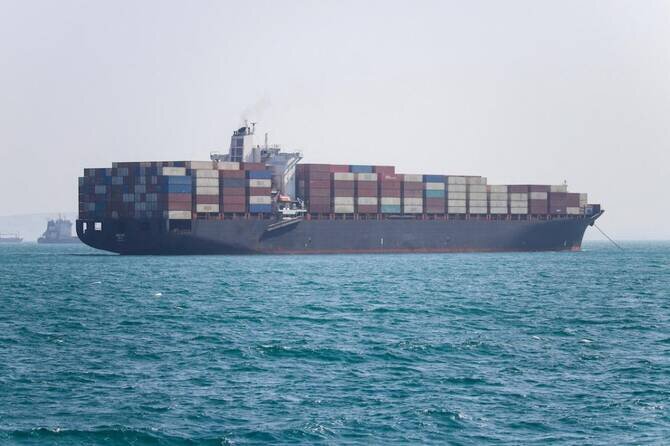
The meeting between Ahn and Hegseth followed Seoul's condemnation of an attack on a South Korean-flagged vessel near the Strait of Hormuz last week.
Ahn discussed this incident with US officials, emphasizing that any response would be decided only after completing the investigation into responsibility for the attack.
Hegseth highlighted the expectation for allies to stand together amid rising global threats, referencing Operation Epic Fury authorized by US President Donald Trump as evidence of the administration's resolve.
Hegseth praised South Korea's plans to increase defense spending and assume greater security responsibilities on the Korean Peninsula, acknowledging it as an example of alliance burden-sharing.
Ahn reported that Hegseth understood South Korea's position regarding a conditions-based transfer of wartime operational control (OPCON) from the US.
While Washington has a "slightly different view" on this process, Ahn stated that Seoul will continue efforts to persuade the US.
The goal is to complete the transition at an early date.
South Korean President Lee Jae Myung's administration aims to finalize OPCON transfer during his term, which ends in 2030, once specified military capability conditions agreed with Washington are met.
No discussions took place regarding a reduction of US forces stationed in South Korea or about the strategic flexibility of these troops during the talks.
The two sides also exchanged views on plans to build nuclear-powered submarines.
This stance was communicated during a meeting with US Secretary of Defense Pete Hegseth on Monday, indicating South Korea's intent to participate as a responsible member of the international community.
Possible steps in this phased support include political expressions, personnel dispatches, information-sharing, and provision of military assets.
However, no specific discussions have occurred regarding an expansion of South Korean troop involvement.
The meeting between Ahn and Hegseth followed Seoul's condemnation of an attack on a South Korean-flagged vessel near the Strait of Hormuz last week.
Ahn discussed this incident with US officials, emphasizing that any response would be decided only after completing the investigation into responsibility for the attack.
Hegseth highlighted the expectation for allies to stand together amid rising global threats, referencing Operation Epic Fury authorized by US President Donald Trump as evidence of the administration's resolve.
Hegseth praised South Korea's plans to increase defense spending and assume greater security responsibilities on the Korean Peninsula, acknowledging it as an example of alliance burden-sharing.
Ahn reported that Hegseth understood South Korea's position regarding a conditions-based transfer of wartime operational control (OPCON) from the US.
While Washington has a "slightly different view" on this process, Ahn stated that Seoul will continue efforts to persuade the US.
The goal is to complete the transition at an early date.
South Korean President Lee Jae Myung's administration aims to finalize OPCON transfer during his term, which ends in 2030, once specified military capability conditions agreed with Washington are met.
No discussions took place regarding a reduction of US forces stationed in South Korea or about the strategic flexibility of these troops during the talks.
The two sides also exchanged views on plans to build nuclear-powered submarines.