Saudi Royal Accuses Israel of Trying to Pull Riyadh Into War With Iran
Prince Turki Al Faisal says Israel sought to entangle Saudi Arabia in a wider conflict with Iran to reshape regional power balances
A senior Saudi royal has publicly accused Israel of attempting to draw Saudi Arabia into a direct war with Iran as part of a broader effort to reshape the Middle East’s balance of power.
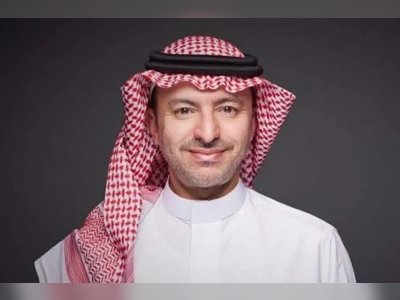
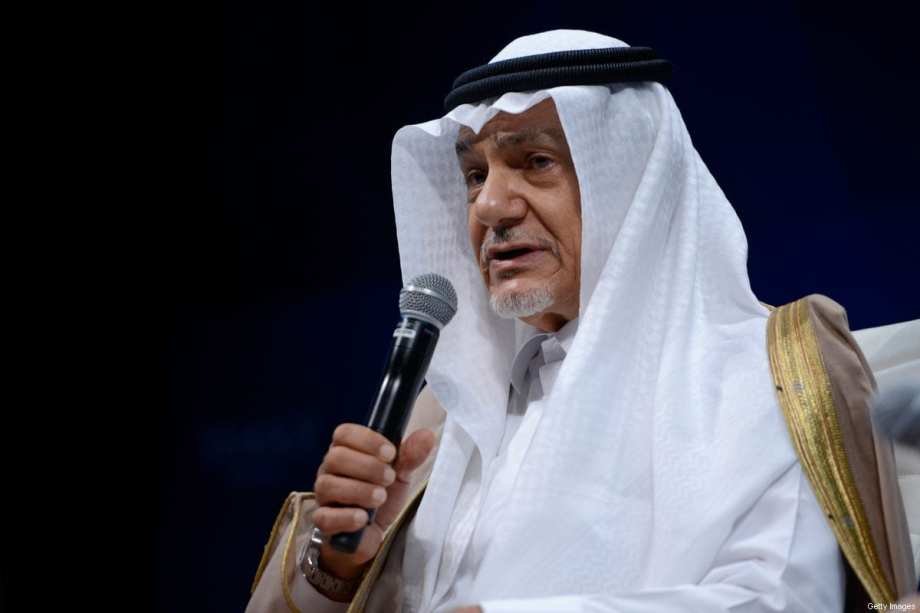
Prince Turki Al Faisal, a former Saudi intelligence chief and ambassador to the United States, made the remarks in an opinion article published in Saudi-linked media outlets.
His central claim is that Israel’s strategic objective during the recent escalation with Iran was not limited to its own security concerns, but extended to pulling regional states—particularly Saudi Arabia—into a wider confrontation.
What is confirmed is that Turki Al Faisal framed the recent regional conflict as a deliberate attempt to widen the war beyond its initial participants.
He argued that Saudi Arabia resisted such pressure and avoided becoming a direct combatant in the Israel-Iran confrontation, describing this restraint as a product of strategic calculation by the Saudi leadership.
His remarks reflect a broader narrative emerging among senior regional figures that the recent cycle of violence involving Iran, Israel, and the United States carried a high risk of regional spillover.
Reporting from the wider conflict period indicates that Gulf states were exposed to missile and drone attacks, and that several countries in the region faced pressure to respond militarily or align more explicitly with one side of the conflict.
Within that context, Turki Al Faisal’s intervention positions Saudi Arabia as actively resisting escalation.
He characterizes Israeli policy as “adventurism” and suggests that efforts to widen the war would have had catastrophic consequences for Gulf states, particularly given their exposure through energy infrastructure, shipping routes, and proximity to Iranian missile systems.
The claim that Israel sought to “drag” Saudi Arabia into war is not independently verifiable in the public record and reflects a political interpretation rather than a documented operational plan.
It aligns, however, with a broader pattern of competing narratives in the region, where states involved in or affected by the conflict have issued sharply contrasting accounts of responsibility and intent.
The strategic backdrop to these remarks is a rapidly shifting Middle Eastern security environment.
Iran’s network of regional allies and its direct exchanges with Israel and U.S. forces have increased the risk that third-party states, including Saudi Arabia, could be pulled into escalation cycles through retaliatory strikes or proxy activity.
At the same time, Gulf governments have attempted to balance deterrence with de-escalation, seeking to protect infrastructure and avoid direct war while maintaining diplomatic channels with multiple actors.
Turki Al Faisal’s comments also underscore a deeper political shift inside Saudi strategic messaging.
The framing of Israel as a destabilizing force reflects growing public articulation of regional frustration with repeated escalations, even as Saudi Arabia continues to pursue cautious engagement and security coordination with multiple external powers.
In practical terms, the statement highlights the fragility of regional containment strategies.
Even states not formally at war have found themselves exposed to cross-border attacks, intelligence operations, and pressure to choose sides, making neutrality increasingly difficult to sustain in a conflict defined by overlapping military and proxy fronts.
The result is a regional security environment in which diplomatic restraint, rather than formal alliances, is becoming the primary tool for preventing wider war, with Saudi Arabia signaling that avoiding entanglement is now a central pillar of its approach to the Iran-Israel confrontation.
Prince Turki Al Faisal, a former Saudi intelligence chief and ambassador to the United States, made the remarks in an opinion article published in Saudi-linked media outlets.
His central claim is that Israel’s strategic objective during the recent escalation with Iran was not limited to its own security concerns, but extended to pulling regional states—particularly Saudi Arabia—into a wider confrontation.
What is confirmed is that Turki Al Faisal framed the recent regional conflict as a deliberate attempt to widen the war beyond its initial participants.
He argued that Saudi Arabia resisted such pressure and avoided becoming a direct combatant in the Israel-Iran confrontation, describing this restraint as a product of strategic calculation by the Saudi leadership.
His remarks reflect a broader narrative emerging among senior regional figures that the recent cycle of violence involving Iran, Israel, and the United States carried a high risk of regional spillover.
Reporting from the wider conflict period indicates that Gulf states were exposed to missile and drone attacks, and that several countries in the region faced pressure to respond militarily or align more explicitly with one side of the conflict.
Within that context, Turki Al Faisal’s intervention positions Saudi Arabia as actively resisting escalation.
He characterizes Israeli policy as “adventurism” and suggests that efforts to widen the war would have had catastrophic consequences for Gulf states, particularly given their exposure through energy infrastructure, shipping routes, and proximity to Iranian missile systems.
The claim that Israel sought to “drag” Saudi Arabia into war is not independently verifiable in the public record and reflects a political interpretation rather than a documented operational plan.
It aligns, however, with a broader pattern of competing narratives in the region, where states involved in or affected by the conflict have issued sharply contrasting accounts of responsibility and intent.
The strategic backdrop to these remarks is a rapidly shifting Middle Eastern security environment.
Iran’s network of regional allies and its direct exchanges with Israel and U.S. forces have increased the risk that third-party states, including Saudi Arabia, could be pulled into escalation cycles through retaliatory strikes or proxy activity.
At the same time, Gulf governments have attempted to balance deterrence with de-escalation, seeking to protect infrastructure and avoid direct war while maintaining diplomatic channels with multiple actors.
Turki Al Faisal’s comments also underscore a deeper political shift inside Saudi strategic messaging.
The framing of Israel as a destabilizing force reflects growing public articulation of regional frustration with repeated escalations, even as Saudi Arabia continues to pursue cautious engagement and security coordination with multiple external powers.
In practical terms, the statement highlights the fragility of regional containment strategies.
Even states not formally at war have found themselves exposed to cross-border attacks, intelligence operations, and pressure to choose sides, making neutrality increasingly difficult to sustain in a conflict defined by overlapping military and proxy fronts.
The result is a regional security environment in which diplomatic restraint, rather than formal alliances, is becoming the primary tool for preventing wider war, with Saudi Arabia signaling that avoiding entanglement is now a central pillar of its approach to the Iran-Israel confrontation.