

Why Saudi Arabia is investing so heavily in motorsport
So why is this happening? To understand more about the country’s ambitions around motorsport and how it will embrace F1’s #WeRaceasOne social justice messaging, we spoke to Saudi Minister of Sports, Prince Abdulaziz, for this edition of #ThinkingForward.
“It's not really just motorsport, but maybe motorsport took a lot of the limelight. We're really investing in a lot of sports within the kingdom, “ he says. “The government understands that sport has a very important role to play for the future of the youth. 70% of the population is below the age of 40. So we need to get them active. We need to get them more engaged in sports and make sure that we do it the right way. In 2017 we had 32 (sporting) Federations. Today we have 92 Federations, and that shows you there is a big investment that's happening within the Kingdom.”
The Saudi model, part of the Vision 2030 strategy for the country, is to invest in sports and scale up the standard of competitions to the international level so that Saudi athletes can learn from international athletes and improve their level. Motorsport has provided an early example of that with the FIA Baja Cross Country World Cup competition, in which the country has won several drivers’ titles, including the T3 category, won by a female Saudi driver, Dania Akeel last year. She will compete in the Dakar rally in 2022.
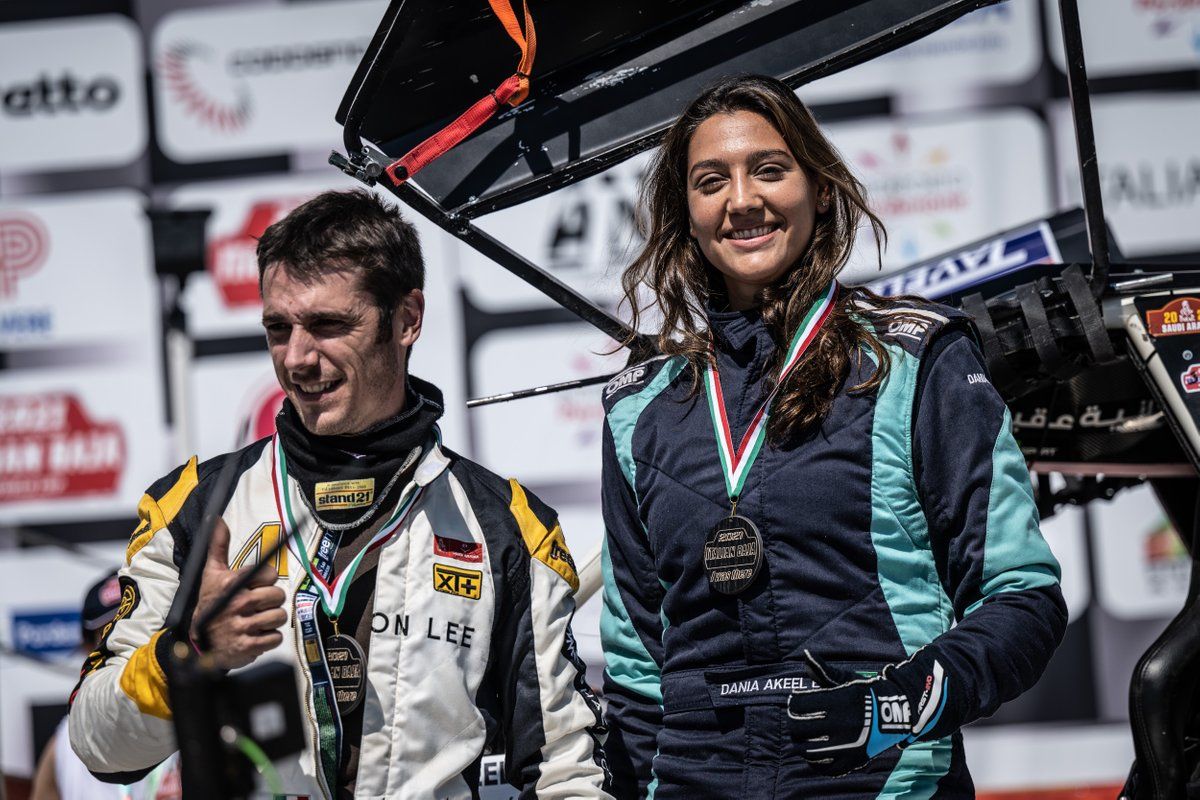
“Only four years ago, women were not allowed to drive (in Saudi Arabia), so you can see that development is actually much more than just sports,” he says. “It's about liveability, it's about giving a chance for the youth, it's about being present in the international arena.”
However, with that increased prominence on the global stage comes greater scrutiny of the country and in the next few weeks, this will come into focus as the F1 community arrives in Saudi Arabia with its #WeRaceAsOne” social justice messaging. How will they embrace that?
“Everyone's welcome in the country. We have our culture and our habits that any other country has and we respect it everywhere else, “ says Prince Abdulaziz. “And that's it. We're definitely looking forward to hosting a lot more events in the future. And we would like to welcome everyone from around the world to come and visit Saudi Arabia, and to see Saudi Arabia for what it is. Everyone is welcome. And we respect everyone and we have to put on a show that actually is for everyone and make sure that we deliver on that... hopefully, achieve that everyone that comes and attends this race, experiences something that is different than anywhere else.”
Prince Abdulaziz observes that it was the arrival of the Formula E race in 2018 that spurred on the creation of the tourist visa, which had previously not been available for Saudi Arabia, “A tourist visa, that was acceptable all over the world, wasn't in Saudi in 2017. A process has been initiated through Formula E. Within three months, the Ministry of Tourism adopted the system that we put in the Sports sector,” he says. “And today, more than 50 countries have the ability to receive a visa on arrival. In the past, we couldn't host any events because the country wasn't open for that.“
As for Formula 1, the recent Global F1 Fan survey showed that the audiences are getting younger and more female and there’s a strong crossover with gamers among the under 24 age group.
“I think it's the right time for us to come in. And I really think that Formula One, with the new management, have changed their philosophy about what Formula One is, and being more engaged with the fans,“ he says. “We see them very active on social media, we see the Netflix series. That attracted a lot of people towards Formula One, people who are not really interested in racing, watched it. And now they are Formula One fans. And I think this approach from Formula One is really the game-changer; getting the youth, the next generation onboard to be part of the future of Formula One. For us, this is amazing, because, as I mentioned, 70% of the population is below 40. And they're very tech-savvy.”
As for gaming and esports, Abdulaziz believes it represents a great opportunity for the Kingdom, due to the demographic of the population and the passion for sports.
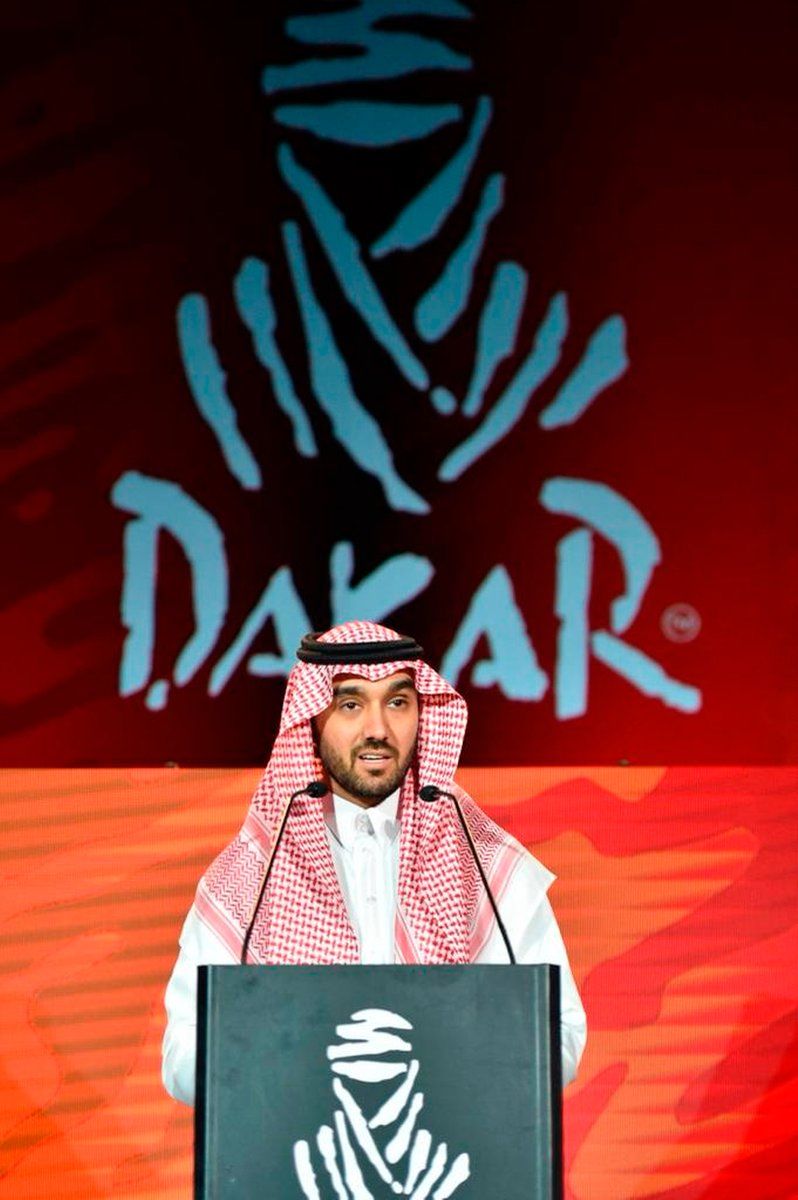 Abdulaziz bin Turki Al Saud
“The beauty about gaming is that you can do it anywhere, at any time. We sponsored the Le Mans virtual race that happened during the lockdown. And we found a lot of people interested in the Kingdom to participate, to be part of it.
“It's so important that we have its own Federation, that is actually managing gaming within the Kingdom. And I think it is the wave of the future. And I think that we should give it as much importance as any sport.”
“It's very important for the youth and for the future. And we should be part of this evolution.”