Global Aid to Drop Due to Iran War Fuel Costs, Warns Relief Agency
Higher energy prices linked to the Iran war are increasing costs for humanitarian aid organizations, leading to a reduction in assistance provided worldwide.
The ongoing conflict in Iran has resulted in significantly higher fuel costs, which are having a profound impact on global humanitarian efforts.
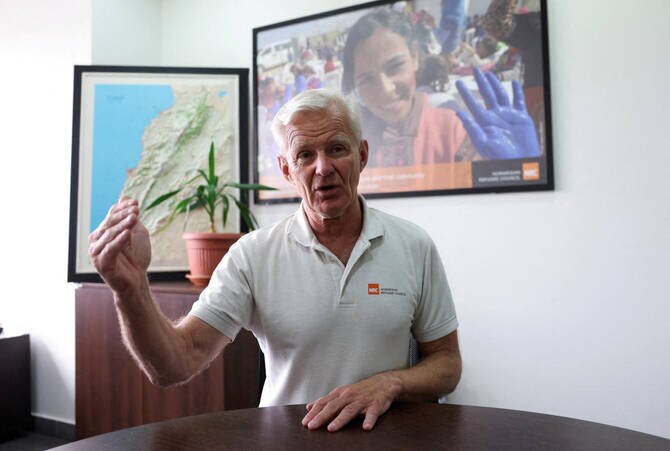
Jan Egeland, the head of the Norwegian Refugee Council (NRC), highlighted this issue in an address to foreign reporters at the NRC's headquarters in Oslo.
The NRC, one of the world’s leading non-governmental organizations focused on aiding displaced populations, operates approximately 1,500 vehicles for its various operations, with diesel being the primary fuel source.
According to Egeland, the cost of running these vehicles has nearly doubled in some countries due to increased fuel prices.
Additionally, the cost of generators needed in areas where solar power is not yet utilized has also risen, leading to higher operational costs for schools and hospitals supported by the NRC.
Furthermore, the price of foodstuffs procured from local and regional markets has become more expensive, affecting adversely the ability of the organization to assist families in need.
The remuneration offered to staff has become less competitive compared to previous times, making it challenging for them to afford basic necessities.
Consequently, due to the rise in operational costs, the NRC anticipates that fewer individuals will receive assistance this year, a situation exacerbated by the redirection of funding from donor countries toward defense budgets.
The organization's activities in the occupied Palestinian territories have also been affected by regional tensions and restrictions imposed on aid operations.
Since 2009, the NRC has been active in the region, but recent Israeli measures requiring aid organizations to disclose the names of Palestinian staff have led to complications, including the loss of registration for the NRC with Israeli authorities.
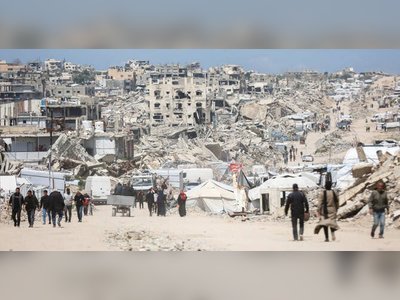
This situation necessitates that the NRC manages its operations remotely from Amman, Jordan, limiting its ability to effectively support local staff in the Gaza Strip.
Despite acknowledging positive aspects of former US President Donald Trump's peace plan for Gaza, which contributed to reducing violence and full-scale war, Egeland emphasized that current conditions remain unsatisfactory, with ongoing military presence and home demolitions by Israel, along with continued restrictions on aid access.
The implementation of the Trump peace plan is deemed to be in jeopardy due to these circumstances.
Jan Egeland, the head of the Norwegian Refugee Council (NRC), highlighted this issue in an address to foreign reporters at the NRC's headquarters in Oslo.
The NRC, one of the world’s leading non-governmental organizations focused on aiding displaced populations, operates approximately 1,500 vehicles for its various operations, with diesel being the primary fuel source.
According to Egeland, the cost of running these vehicles has nearly doubled in some countries due to increased fuel prices.
Additionally, the cost of generators needed in areas where solar power is not yet utilized has also risen, leading to higher operational costs for schools and hospitals supported by the NRC.
Furthermore, the price of foodstuffs procured from local and regional markets has become more expensive, affecting adversely the ability of the organization to assist families in need.
The remuneration offered to staff has become less competitive compared to previous times, making it challenging for them to afford basic necessities.
Consequently, due to the rise in operational costs, the NRC anticipates that fewer individuals will receive assistance this year, a situation exacerbated by the redirection of funding from donor countries toward defense budgets.
The organization's activities in the occupied Palestinian territories have also been affected by regional tensions and restrictions imposed on aid operations.
Since 2009, the NRC has been active in the region, but recent Israeli measures requiring aid organizations to disclose the names of Palestinian staff have led to complications, including the loss of registration for the NRC with Israeli authorities.
This situation necessitates that the NRC manages its operations remotely from Amman, Jordan, limiting its ability to effectively support local staff in the Gaza Strip.
Despite acknowledging positive aspects of former US President Donald Trump's peace plan for Gaza, which contributed to reducing violence and full-scale war, Egeland emphasized that current conditions remain unsatisfactory, with ongoing military presence and home demolitions by Israel, along with continued restrictions on aid access.
The implementation of the Trump peace plan is deemed to be in jeopardy due to these circumstances.