Saudi and Iranian Foreign Ministers Hold High-Stakes Call Amid Fragile Regional De-escalation Efforts
Faisal bin Farhan and Abbas Araghchi discuss ceasefire dynamics, diplomatic negotiations, and regional security as Gulf tensions remain closely tied to U.S.-Iran conflict spillovers
SYSTEM-DRIVEN diplomacy is currently shaping one of the most consequential recalibrations in Middle East relations, as Saudi Arabia and Iran continue structured political contact aimed at stabilizing a region still affected by wider U.S.-Iran hostilities and intermittent ceasefire arrangements.
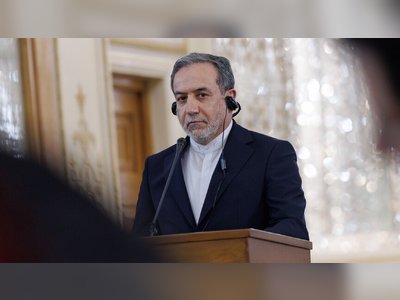
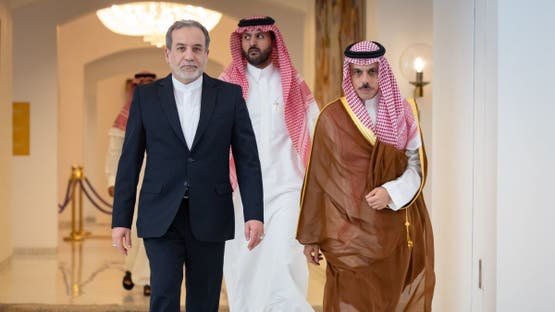
The latest confirmed engagement occurred through a telephone call between Saudi Foreign Minister Prince Faisal bin Farhan and Iranian Foreign Minister Abbas Araghchi, during which both sides reviewed ongoing regional developments and diplomatic initiatives connected to recent de-escalation efforts.
What is confirmed is that the conversation focused on broader regional stability and active diplomatic channels tied to ceasefire-related processes.
Iranian officials used the exchange to brief Saudi counterparts on the latest developments surrounding negotiations aimed at reducing tensions linked to the ongoing confrontation involving the United States and Israel on one side and Iran on the other.
Saudi officials, in turn, reiterated support for diplomatic solutions and efforts intended to restore stability in the region.
This call is part of a sustained pattern of communication that has become more frequent since the escalation of regional hostilities earlier in the year.
Multiple contacts between Riyadh and Tehran have taken place in recent weeks, reflecting an institutionalized diplomatic channel rather than an isolated exchange.
These interactions have included discussions on ceasefire conditions, mediation attempts involving third-party states, and broader concerns over regional security architecture.
The underlying mechanism driving these talks is the attempt to prevent regional spillover from direct or indirect military confrontations involving Iran, the United States, and Israel.
Gulf states, particularly Saudi Arabia, face strategic exposure to disruptions in maritime routes, especially energy shipping lanes, making de-escalation not only a political objective but an economic necessity.
Iran’s position in these discussions has consistently emphasized resistance to external military presence in the region and calls for a regional security framework that reduces reliance on outside powers.
Saudi Arabia’s approach, while more aligned with maintaining strategic ties with Western security partners, has increasingly incorporated direct diplomatic engagement with Tehran as a stabilizing tool.
The broader context includes parallel mediation efforts conducted through regional intermediaries and intermittent U.S.-Iran negotiations that have fluctuated between partial understandings and breakdowns.
These shifting dynamics have contributed to an environment where bilateral Saudi-Iranian dialogue is used as a hedge against escalation rather than a final settlement mechanism.
The implications of the latest call are structural rather than immediate.
It signals continued normalization of diplomatic engagement between two long-standing regional rivals whose relationship has oscillated between confrontation and cautious détente.
However, the durability of this engagement remains dependent on the trajectory of the wider U.S.-Iran conflict and whether existing ceasefire arrangements hold under pressure.
For now, the Saudi-Iran channel functions as a pressure-release mechanism within a broader and still volatile regional system, where diplomatic continuity is being used to contain risks that remain unresolved at the level of major power confrontation.
The latest confirmed engagement occurred through a telephone call between Saudi Foreign Minister Prince Faisal bin Farhan and Iranian Foreign Minister Abbas Araghchi, during which both sides reviewed ongoing regional developments and diplomatic initiatives connected to recent de-escalation efforts.
What is confirmed is that the conversation focused on broader regional stability and active diplomatic channels tied to ceasefire-related processes.
Iranian officials used the exchange to brief Saudi counterparts on the latest developments surrounding negotiations aimed at reducing tensions linked to the ongoing confrontation involving the United States and Israel on one side and Iran on the other.
Saudi officials, in turn, reiterated support for diplomatic solutions and efforts intended to restore stability in the region.
This call is part of a sustained pattern of communication that has become more frequent since the escalation of regional hostilities earlier in the year.
Multiple contacts between Riyadh and Tehran have taken place in recent weeks, reflecting an institutionalized diplomatic channel rather than an isolated exchange.
These interactions have included discussions on ceasefire conditions, mediation attempts involving third-party states, and broader concerns over regional security architecture.
The underlying mechanism driving these talks is the attempt to prevent regional spillover from direct or indirect military confrontations involving Iran, the United States, and Israel.
Gulf states, particularly Saudi Arabia, face strategic exposure to disruptions in maritime routes, especially energy shipping lanes, making de-escalation not only a political objective but an economic necessity.
Iran’s position in these discussions has consistently emphasized resistance to external military presence in the region and calls for a regional security framework that reduces reliance on outside powers.
Saudi Arabia’s approach, while more aligned with maintaining strategic ties with Western security partners, has increasingly incorporated direct diplomatic engagement with Tehran as a stabilizing tool.
The broader context includes parallel mediation efforts conducted through regional intermediaries and intermittent U.S.-Iran negotiations that have fluctuated between partial understandings and breakdowns.
These shifting dynamics have contributed to an environment where bilateral Saudi-Iranian dialogue is used as a hedge against escalation rather than a final settlement mechanism.
The implications of the latest call are structural rather than immediate.
It signals continued normalization of diplomatic engagement between two long-standing regional rivals whose relationship has oscillated between confrontation and cautious détente.
However, the durability of this engagement remains dependent on the trajectory of the wider U.S.-Iran conflict and whether existing ceasefire arrangements hold under pressure.
For now, the Saudi-Iran channel functions as a pressure-release mechanism within a broader and still volatile regional system, where diplomatic continuity is being used to contain risks that remain unresolved at the level of major power confrontation.