Starmer Walks a Diplomatic Tightrope as UK Avoids Direct Role in Iran Conflict but Pushes for Strait of Hormuz Security
British government refuses deeper military involvement in the Iran war while coordinating with allies on securing global shipping routes through the Strait of Hormuz amid energy and security risks.
SYSTEM-DRIVEN dynamics define the UK’s current posture toward the Iran conflict, where the central issue is not battlefield participation but the protection of global maritime infrastructure and energy flows.
Prime Minister Keir Starmer’s government is attempting to separate Britain from direct military escalation while still engaging in coordinated efforts with allies to stabilize one of the world’s most strategically sensitive shipping lanes.
What is confirmed is that Starmer has consistently rejected calls for the UK to become directly involved in the widening conflict involving Iran, while simultaneously supporting multilateral planning aimed at keeping the Strait of Hormuz open.
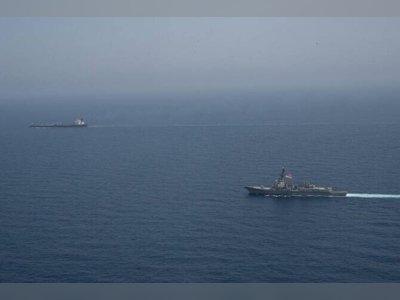
The strait is a narrow maritime chokepoint through which a significant share of global oil and liquefied natural gas passes, making it central to global energy pricing and supply stability.
Recent reporting shows that the UK position has remained structurally consistent over several weeks: Britain will not join offensive operations or blockade enforcement, but it will participate in coordination efforts with European, Gulf, and other partners to secure maritime navigation.
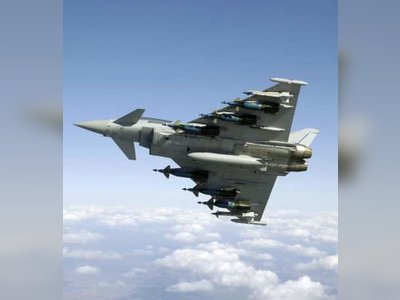
This includes discussions on practical measures such as mine clearance capabilities, surveillance support, and potential air or naval presence focused on deterrence rather than escalation.
The government’s framing has emphasized collective planning rather than unilateral military action, reflecting concern over both escalation risk and domestic economic exposure.
At the same time, Starmer has publicly resisted pressure from the United States to contribute more directly to military operations aimed at countering Iranian leverage over the strait.
While Washington has sought broader allied participation in securing the waterway, several European and regional partners have also shown reluctance to deploy combat assets.
The result is an emerging hybrid approach: limited military-adjacent support combined with diplomatic coordination and contingency planning rather than a unified kinetic intervention.
The economic stakes are driving much of this policy architecture.
Disruptions or threats to the Strait of Hormuz have already been associated with volatility in energy markets and concerns over supply continuity.
UK officials have explicitly linked the issue to domestic cost pressures, particularly energy prices, which are sensitive to global shipping disruptions.
This makes maritime security not just a foreign policy concern but a direct domestic economic variable.
The situation remains fluid because the operational reality in the strait depends on multiple contested factors: the extent of Iranian interference or deterrence activity, the effectiveness of allied coordination, and whether shipping insurance and commercial operators regain confidence to resume normal traffic levels.
Reports indicate sharply reduced vessel movements during the height of the crisis, underscoring how quickly commercial flow can collapse under security uncertainty.
What is clear is that the UK strategy is built on constraint management rather than escalation: avoid entanglement in a wider regional war, while maintaining enough coordinated presence to support freedom of navigation if a diplomatic or operational opening emerges.
This balance reflects both alliance pressure and domestic political sensitivity to prolonged military engagement abroad.
The next phase will depend less on rhetoric than on whether international partners can convert fragmented planning into a workable maritime security framework capable of restoring stable transit through one of the world’s most economically critical waterways.
Prime Minister Keir Starmer’s government is attempting to separate Britain from direct military escalation while still engaging in coordinated efforts with allies to stabilize one of the world’s most strategically sensitive shipping lanes.
What is confirmed is that Starmer has consistently rejected calls for the UK to become directly involved in the widening conflict involving Iran, while simultaneously supporting multilateral planning aimed at keeping the Strait of Hormuz open.
The strait is a narrow maritime chokepoint through which a significant share of global oil and liquefied natural gas passes, making it central to global energy pricing and supply stability.
Recent reporting shows that the UK position has remained structurally consistent over several weeks: Britain will not join offensive operations or blockade enforcement, but it will participate in coordination efforts with European, Gulf, and other partners to secure maritime navigation.
This includes discussions on practical measures such as mine clearance capabilities, surveillance support, and potential air or naval presence focused on deterrence rather than escalation.
The government’s framing has emphasized collective planning rather than unilateral military action, reflecting concern over both escalation risk and domestic economic exposure.
At the same time, Starmer has publicly resisted pressure from the United States to contribute more directly to military operations aimed at countering Iranian leverage over the strait.
While Washington has sought broader allied participation in securing the waterway, several European and regional partners have also shown reluctance to deploy combat assets.
The result is an emerging hybrid approach: limited military-adjacent support combined with diplomatic coordination and contingency planning rather than a unified kinetic intervention.
The economic stakes are driving much of this policy architecture.
Disruptions or threats to the Strait of Hormuz have already been associated with volatility in energy markets and concerns over supply continuity.
UK officials have explicitly linked the issue to domestic cost pressures, particularly energy prices, which are sensitive to global shipping disruptions.
This makes maritime security not just a foreign policy concern but a direct domestic economic variable.
The situation remains fluid because the operational reality in the strait depends on multiple contested factors: the extent of Iranian interference or deterrence activity, the effectiveness of allied coordination, and whether shipping insurance and commercial operators regain confidence to resume normal traffic levels.
Reports indicate sharply reduced vessel movements during the height of the crisis, underscoring how quickly commercial flow can collapse under security uncertainty.
What is clear is that the UK strategy is built on constraint management rather than escalation: avoid entanglement in a wider regional war, while maintaining enough coordinated presence to support freedom of navigation if a diplomatic or operational opening emerges.
This balance reflects both alliance pressure and domestic political sensitivity to prolonged military engagement abroad.
The next phase will depend less on rhetoric than on whether international partners can convert fragmented planning into a workable maritime security framework capable of restoring stable transit through one of the world’s most economically critical waterways.