
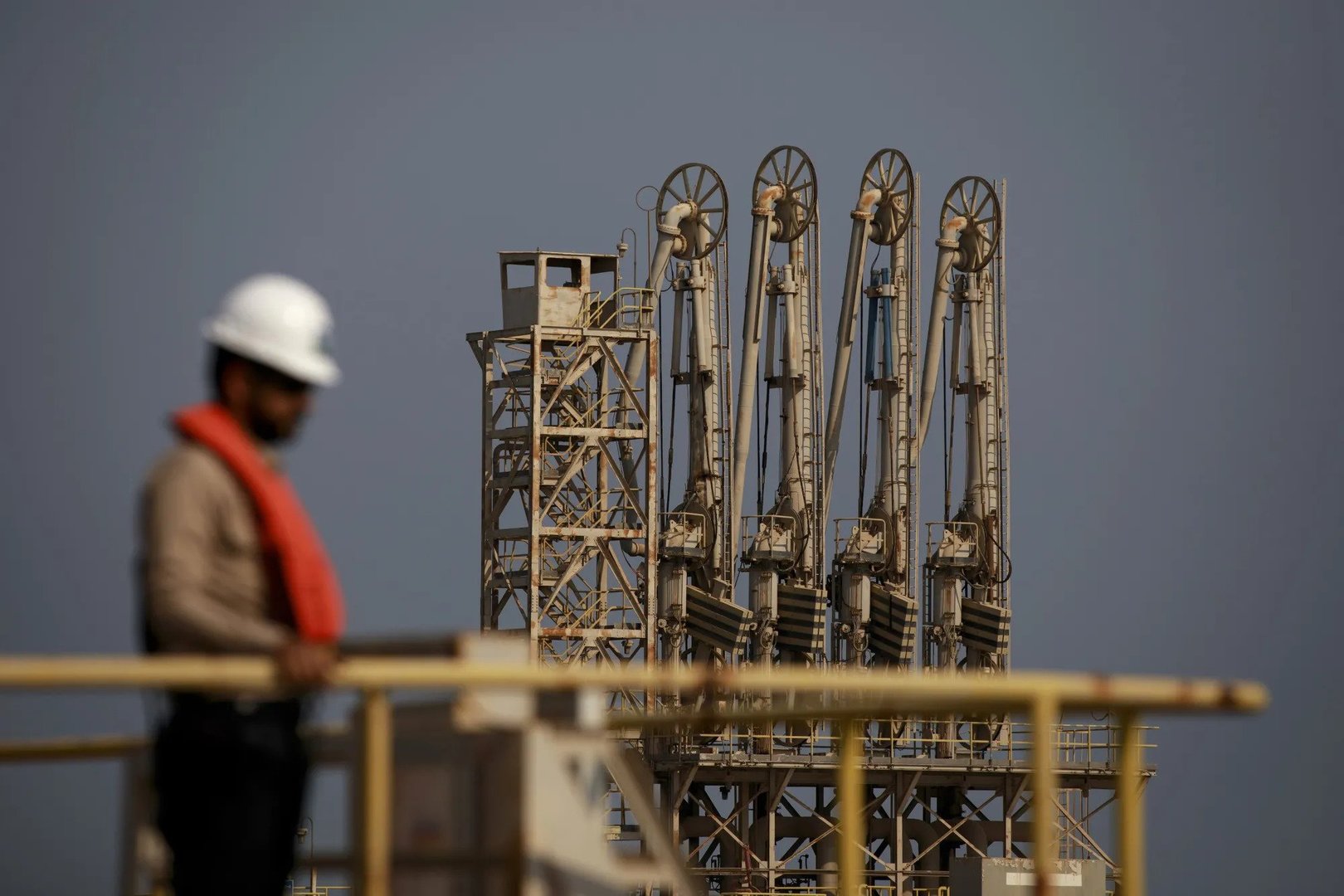
Saudi Oil Exports to China Expected to Drop Sharply in June Amid Supply Rebalancing
Market data signals a temporary reduction in Saudi shipments to China as global producers adjust output under pricing strategy shifts and demand fluctuations
Global oil trade flows are driven by coordinated production decisions among major exporters and shifting demand from key import markets such as China.
Within this system, Saudi Arabia plays a central role as one of the world’s largest crude oil suppliers, while China remains the largest single importer.
The reported expectation of a sharp decline in Saudi crude exports to China in June reflects scheduled adjustments in supply allocations rather than a confirmed structural break in bilateral energy trade.
What is confirmed in broader market behavior is that Saudi Arabia regularly adjusts monthly export volumes based on pricing strategy, refinery demand, and alignment with wider producer group agreements.
Saudi production policy is closely tied to coordination within OPEC+, an alliance of oil-producing countries that manages output levels to influence global prices.
In recent periods, the group has used production cuts and phased increases as tools to stabilize the market amid fluctuating demand, particularly following post-pandemic recovery cycles and uneven global economic growth.
China’s crude import demand has also shown variability driven by domestic economic conditions, refinery maintenance cycles, and strategic inventory management.
When Chinese refiners reduce purchases or shift sourcing toward alternative suppliers, Gulf exporters often adjust shipments accordingly, leading to visible month-to-month volatility in trade flows.
A projected drop in Saudi exports to China therefore reflects the mechanics of short-term contract scheduling and market optimization rather than a confirmed long-term reduction in strategic energy ties.
Saudi crude exports are typically allocated across multiple regions, and shifts toward other destinations can occur when pricing differentials or refining demand make alternative markets more attractive.
The key issue in interpreting such movements is distinguishing between structural change and cyclical adjustment.
Structural change would imply a sustained realignment of Saudi-China energy dependence, while cyclical adjustment reflects routine recalibration of shipments based on market conditions and production agreements.
China remains deeply dependent on imported crude, with Saudi Arabia consistently among its top suppliers over the long term.
Even when monthly volumes fluctuate, the underlying relationship remains anchored in refinery compatibility, long-term contracts, and energy security diversification strategies pursued by both countries.
As global oil markets continue to respond to economic signals and coordinated production management, short-term export declines are expected to remain a recurring feature of trade data.
The anticipated June reduction in Saudi shipments to China fits within this broader pattern of managed supply flexibility rather than indicating a disruption in bilateral energy relations.
Within this system, Saudi Arabia plays a central role as one of the world’s largest crude oil suppliers, while China remains the largest single importer.
The reported expectation of a sharp decline in Saudi crude exports to China in June reflects scheduled adjustments in supply allocations rather than a confirmed structural break in bilateral energy trade.
What is confirmed in broader market behavior is that Saudi Arabia regularly adjusts monthly export volumes based on pricing strategy, refinery demand, and alignment with wider producer group agreements.
Saudi production policy is closely tied to coordination within OPEC+, an alliance of oil-producing countries that manages output levels to influence global prices.
In recent periods, the group has used production cuts and phased increases as tools to stabilize the market amid fluctuating demand, particularly following post-pandemic recovery cycles and uneven global economic growth.
China’s crude import demand has also shown variability driven by domestic economic conditions, refinery maintenance cycles, and strategic inventory management.
When Chinese refiners reduce purchases or shift sourcing toward alternative suppliers, Gulf exporters often adjust shipments accordingly, leading to visible month-to-month volatility in trade flows.
A projected drop in Saudi exports to China therefore reflects the mechanics of short-term contract scheduling and market optimization rather than a confirmed long-term reduction in strategic energy ties.
Saudi crude exports are typically allocated across multiple regions, and shifts toward other destinations can occur when pricing differentials or refining demand make alternative markets more attractive.
The key issue in interpreting such movements is distinguishing between structural change and cyclical adjustment.
Structural change would imply a sustained realignment of Saudi-China energy dependence, while cyclical adjustment reflects routine recalibration of shipments based on market conditions and production agreements.
China remains deeply dependent on imported crude, with Saudi Arabia consistently among its top suppliers over the long term.
Even when monthly volumes fluctuate, the underlying relationship remains anchored in refinery compatibility, long-term contracts, and energy security diversification strategies pursued by both countries.
As global oil markets continue to respond to economic signals and coordinated production management, short-term export declines are expected to remain a recurring feature of trade data.
The anticipated June reduction in Saudi shipments to China fits within this broader pattern of managed supply flexibility rather than indicating a disruption in bilateral energy relations.