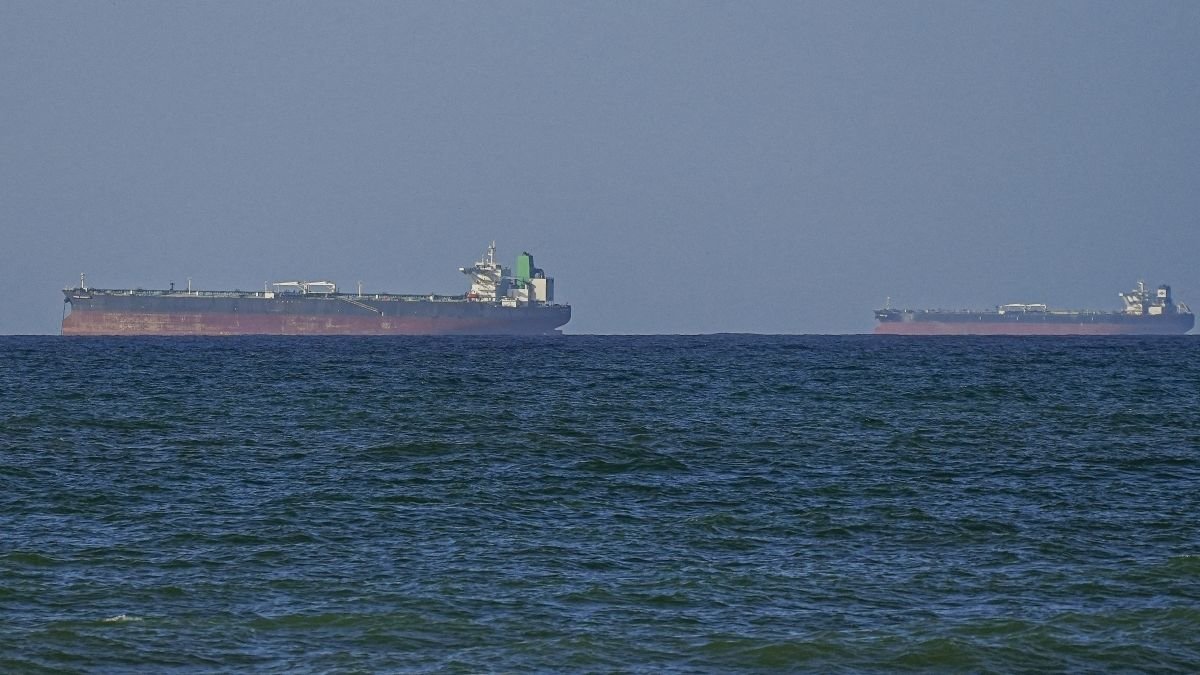
Strait of Hormuz Decision Sparks Strategic Reversal Amid U.S.–Saudi Pressure Dynamics
A reported policy shift tied to Gulf security tensions highlights the strategic weight of the world’s most critical oil chokepoint and the influence of Saudi-U.S. coordination.
The strategic importance of the Strait of Hormuz has once again become a focal point of geopolitical decision-making, following reports that U.S. President Donald Trump reversed a plan linked to reopening or altering military posture around the narrow maritime corridor after pressure from Saudi Arabia.
The situation reflects a SYSTEM-DRIVEN dynamic shaped by global energy security, military deterrence, and alliance coordination in one of the world’s most sensitive shipping lanes.
What is confirmed in broader geopolitical context is that the Strait of Hormuz remains the most critical chokepoint for global oil transit, with a significant share of global petroleum shipments passing through it daily.
It lies between Iran and Oman and is strategically vulnerable to disruption, making it a central concern for both energy markets and military planners.
Any perceived escalation or de-escalation in its security posture has immediate implications for global oil prices and shipping insurance costs.
The reported policy reversal centers on U.S. considerations of how to manage naval presence and operational posture in the region.
While specific operational details of the alleged “reopening” plan are not independently established in confirmed public documentation, the broader issue involves whether the United States would adjust its military signaling or engagement rules in a way that could be interpreted as escalating or de-escalating pressure on Iran in the Gulf region.
Saudi Arabia’s influence in this context is tied to its dual role as a leading oil exporter and a key U.S. security partner in the Gulf.
Riyadh has a direct interest in maintaining stable maritime flows through the Strait, particularly given its reliance on energy exports and its ongoing economic transformation agenda.
Any shift in U.S. posture that could increase regional instability would directly affect Saudi economic planning and shipping security.
The key issue driving reported diplomatic pressure is the risk of miscalculation in a highly militarized maritime corridor.
The Strait of Hormuz has long been a flashpoint between Iran and Western-aligned naval forces, with periodic incidents involving tanker seizures, drone activity, and naval escorts.
Even limited changes in posture can be interpreted as escalation signals by regional actors, increasing the risk of confrontation.
The United States maintains a significant naval presence in the Gulf primarily to ensure freedom of navigation.
However, this presence is continuously calibrated against broader diplomatic objectives, including energy market stability and alliance management with Gulf partners.
Saudi Arabia’s reported involvement reflects its concern that shifts in U.S. operational policy could destabilize this balance.
Energy markets remain highly sensitive to developments in the Strait.
Even the perception of potential disruption can trigger price volatility due to the corridor’s role in global supply chains.
Insurance premiums for shipping in the region also tend to rise rapidly during periods of heightened tension, affecting global trade flows beyond the immediate region.
If the reported reversal reflects an actual policy adjustment, it underscores how Gulf allies can influence U.S. strategic decisions when core energy infrastructure is at stake.
It also highlights the extent to which maritime security in the Gulf is not solely a military issue but a structural component of global economic stability.
The outcome reinforces a broader reality: control and stability of the Strait of Hormuz remains a shared priority among major powers and regional states, and even small shifts in policy perception can produce outsized global economic and security consequences.
The situation reflects a SYSTEM-DRIVEN dynamic shaped by global energy security, military deterrence, and alliance coordination in one of the world’s most sensitive shipping lanes.
What is confirmed in broader geopolitical context is that the Strait of Hormuz remains the most critical chokepoint for global oil transit, with a significant share of global petroleum shipments passing through it daily.
It lies between Iran and Oman and is strategically vulnerable to disruption, making it a central concern for both energy markets and military planners.
Any perceived escalation or de-escalation in its security posture has immediate implications for global oil prices and shipping insurance costs.
The reported policy reversal centers on U.S. considerations of how to manage naval presence and operational posture in the region.
While specific operational details of the alleged “reopening” plan are not independently established in confirmed public documentation, the broader issue involves whether the United States would adjust its military signaling or engagement rules in a way that could be interpreted as escalating or de-escalating pressure on Iran in the Gulf region.
Saudi Arabia’s influence in this context is tied to its dual role as a leading oil exporter and a key U.S. security partner in the Gulf.
Riyadh has a direct interest in maintaining stable maritime flows through the Strait, particularly given its reliance on energy exports and its ongoing economic transformation agenda.
Any shift in U.S. posture that could increase regional instability would directly affect Saudi economic planning and shipping security.
The key issue driving reported diplomatic pressure is the risk of miscalculation in a highly militarized maritime corridor.
The Strait of Hormuz has long been a flashpoint between Iran and Western-aligned naval forces, with periodic incidents involving tanker seizures, drone activity, and naval escorts.
Even limited changes in posture can be interpreted as escalation signals by regional actors, increasing the risk of confrontation.
The United States maintains a significant naval presence in the Gulf primarily to ensure freedom of navigation.
However, this presence is continuously calibrated against broader diplomatic objectives, including energy market stability and alliance management with Gulf partners.
Saudi Arabia’s reported involvement reflects its concern that shifts in U.S. operational policy could destabilize this balance.
Energy markets remain highly sensitive to developments in the Strait.
Even the perception of potential disruption can trigger price volatility due to the corridor’s role in global supply chains.
Insurance premiums for shipping in the region also tend to rise rapidly during periods of heightened tension, affecting global trade flows beyond the immediate region.
If the reported reversal reflects an actual policy adjustment, it underscores how Gulf allies can influence U.S. strategic decisions when core energy infrastructure is at stake.
It also highlights the extent to which maritime security in the Gulf is not solely a military issue but a structural component of global economic stability.
The outcome reinforces a broader reality: control and stability of the Strait of Hormuz remains a shared priority among major powers and regional states, and even small shifts in policy perception can produce outsized global economic and security consequences.