
Lebanon Exploring Alternatives as UNIFIL Prepares to Depart
Seven months until UN peacekeeping force's withdrawal raises concerns over potential security vacuum along volatile Lebanon- Israel border.
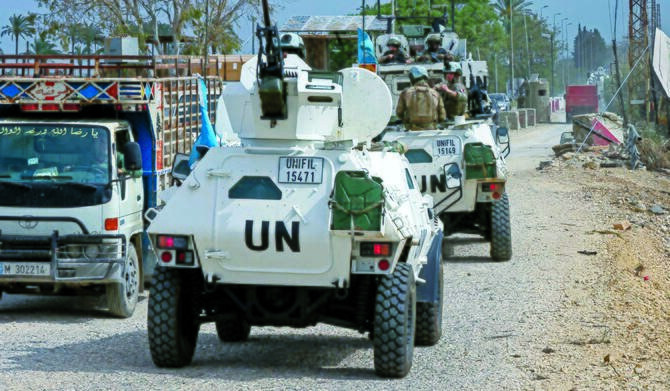
BEIRUT: Lebanon is quietly exploring alternatives to the UN peacekeeping force in its south as the countdown begins to the end of UNIFIL's decades-long mission, raising concerns over who will fill a potential security vacuum along one of the region's most volatile borders.
With seven months until the UN force is set to withdraw, Lebanese officials are intensifying consultations with international partners to secure a continued foreign presence in the south, as Lebanon and Israel pursue direct talks aimed at reaching a ceasefire.
The looming departure of UNIFIL, long a stabilizing force and a critical buffer between Lebanese and Israeli forces, comes at a particularly fragile moment for Lebanon.
Recent fighting between Hezbollah and Israel saw Israeli forces push deep into southern Lebanon, razing villages to establish an expanded military footprint stretching 5-10 kilometers beyond the border, including within UNIFIL's traditional area of operations.
UNIFIL's exit, set for Dec. 31, 2026, has raised concerns in Lebanon that the south will be left exposed in a security landscape more complex than the one that existed when the UN Security Council adopted Resolution 2790 on Aug. 28, 2025, which ruled to end the Blue Helmets' mission.
Originally deployed in March 1978 to oversee Israel's withdrawal from Lebanese territory, UNIFIL evolved over decades into a key pillar of stability in the south, with its mandate revised multiple times in response to major developments, including the 1982 Israeli invasion that reached Beirut and the withdrawal of Israeli forces from southern Lebanon in 2000.
After the 2006 war, its mandate was expanded to support the deployment of the Lebanese army across the south to restore stability, monitor the cessation of hostilities, facilitate humanitarian aid, and ensure the safe return of displaced people.
By last February, around 2,000 UNIFIL personnel had already left Lebanon as part of a gradual withdrawal ahead of the mission's final departure.
The peacekeeping force is currently estimated at around 8,200 troops, down from more than 10,000 personnel originating from 47 countries.
Its numbers had previously peaked at 15,000 following the addition of a German-led naval mission.
UNIFIL has long served as the sole direct channel of communication between the Israeli and Lebanese armies, helping defuse tensions and prevent escalation.
Over the decades, peacekeepers developed close social ties with residents of villages south of the Litani River, with some even marrying into Lebanese families.
Clashes between Hezbollah and Israel have posed significant challenges, especially to UNIFIL's freedom of movement.
The force remains at its positions within its area of operations in south Lebanon and along the Blue Line.
Recent escalation has complicated operations, particularly during fighting south of the Litani River.
Local media reports indicate discussions are underway to find an alternative to UNIFIL — an international force to help monitor Lebanese security measures in the south to ensure it is free of Hezbollah weapons and that Israel withdraws.
The conditions under which the UN Security Council decided last August to end the mission have since changed, with maintaining UNIFIL's presence remaining the preferred option.
With seven months until the UN force is set to withdraw, Lebanese officials are intensifying consultations with international partners to secure a continued foreign presence in the south, as Lebanon and Israel pursue direct talks aimed at reaching a ceasefire.
The looming departure of UNIFIL, long a stabilizing force and a critical buffer between Lebanese and Israeli forces, comes at a particularly fragile moment for Lebanon.
Recent fighting between Hezbollah and Israel saw Israeli forces push deep into southern Lebanon, razing villages to establish an expanded military footprint stretching 5-10 kilometers beyond the border, including within UNIFIL's traditional area of operations.
UNIFIL's exit, set for Dec. 31, 2026, has raised concerns in Lebanon that the south will be left exposed in a security landscape more complex than the one that existed when the UN Security Council adopted Resolution 2790 on Aug. 28, 2025, which ruled to end the Blue Helmets' mission.
Originally deployed in March 1978 to oversee Israel's withdrawal from Lebanese territory, UNIFIL evolved over decades into a key pillar of stability in the south, with its mandate revised multiple times in response to major developments, including the 1982 Israeli invasion that reached Beirut and the withdrawal of Israeli forces from southern Lebanon in 2000.
After the 2006 war, its mandate was expanded to support the deployment of the Lebanese army across the south to restore stability, monitor the cessation of hostilities, facilitate humanitarian aid, and ensure the safe return of displaced people.
By last February, around 2,000 UNIFIL personnel had already left Lebanon as part of a gradual withdrawal ahead of the mission's final departure.
The peacekeeping force is currently estimated at around 8,200 troops, down from more than 10,000 personnel originating from 47 countries.
Its numbers had previously peaked at 15,000 following the addition of a German-led naval mission.
UNIFIL has long served as the sole direct channel of communication between the Israeli and Lebanese armies, helping defuse tensions and prevent escalation.
Over the decades, peacekeepers developed close social ties with residents of villages south of the Litani River, with some even marrying into Lebanese families.
Clashes between Hezbollah and Israel have posed significant challenges, especially to UNIFIL's freedom of movement.
The force remains at its positions within its area of operations in south Lebanon and along the Blue Line.
Recent escalation has complicated operations, particularly during fighting south of the Litani River.
Local media reports indicate discussions are underway to find an alternative to UNIFIL — an international force to help monitor Lebanese security measures in the south to ensure it is free of Hezbollah weapons and that Israel withdraws.
The conditions under which the UN Security Council decided last August to end the mission have since changed, with maintaining UNIFIL's presence remaining the preferred option.