Saudi Arabia Balances Budget Pressure and Mega-Projects as Oil Revenues Slip
A widening fiscal gap is forcing Riyadh to slow parts of its transformation agenda even as tourism and real estate investors double down on long-term bets
Saudi Arabia’s economic transformation strategy is being reshaped by a growing tension between falling oil-driven revenues and the financial demands of its ambitious long-term development program.
The fiscal gap, reflected in a large budget deficit driven primarily by weaker hydrocarbon income and high public spending, is forcing the government to recalibrate the pace of some flagship projects without abandoning the broader reform agenda.
The central driver of the story is structural: the kingdom remains heavily dependent on oil revenue while simultaneously trying to fund one of the most expansive national transformation plans in modern economic history.
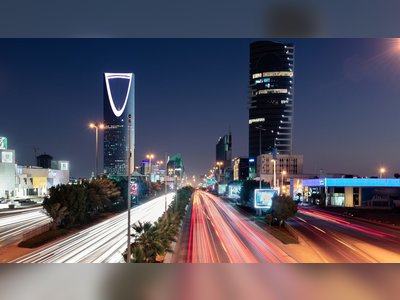
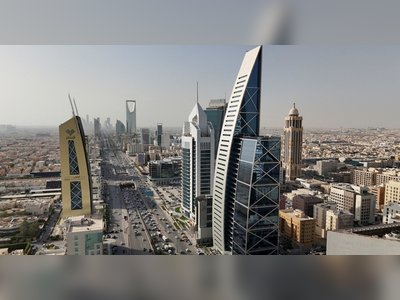
That plan, often associated with Vision 2030, includes massive investments in tourism, logistics, entertainment, infrastructure, and entirely new urban developments designed to diversify the economy away from hydrocarbons.
Recent fiscal data points to pressure building on that model.
Lower-than-expected oil receipts have coincided with sustained public investment spending, producing a significant budget shortfall measured in tens of billions of dollars.
While deficits are not unusual for Saudi Arabia during periods of heavy capital expenditure, the current gap is notable because it comes at a time when multiple giga-projects are simultaneously entering their most capital-intensive phases.
In response, policymakers are adjusting timelines and reprioritizing some developments rather than canceling them outright.
Certain infrastructure and real estate projects are being paced more slowly, and government-linked entities are becoming more selective about which phases of development receive immediate funding.
The approach reflects a balancing act: maintaining investor confidence in long-term transformation while preventing excessive fiscal strain in the short term.
Despite these adjustments, private capital—especially in hospitality, tourism, and luxury real estate—remains strongly committed to the Saudi market.
International hotel groups and developers continue to expand their footprint, betting that rising visitor numbers, religious tourism, and high-profile entertainment initiatives will generate sustained demand over the coming decade.
This confidence is reinforced by ongoing liberalization of visa rules and major event-driven investments intended to reposition the country as a global tourism hub.
The underlying economic mechanism is therefore dual-track.
The state is moderating the speed of its spending, while the private sector continues to price in long-term growth.
This divergence creates both resilience and risk: resilience because external investment keeps momentum alive, and risk because the entire model still depends on oil price cycles funding state-led transformation.
For global markets, the key implication is that Saudi Arabia’s diversification strategy has not stalled, but it is becoming more sensitive to energy revenue fluctuations than originally projected.
The scale of ambition remains intact, yet the timeline is increasingly elastic, shaped by fiscal reality as much as strategic intent.
The next phase of adjustment will determine whether the kingdom can sustain simultaneous investment in megaproject development while maintaining stable public finances in a lower-revenue oil environment.
The fiscal gap, reflected in a large budget deficit driven primarily by weaker hydrocarbon income and high public spending, is forcing the government to recalibrate the pace of some flagship projects without abandoning the broader reform agenda.
The central driver of the story is structural: the kingdom remains heavily dependent on oil revenue while simultaneously trying to fund one of the most expansive national transformation plans in modern economic history.
That plan, often associated with Vision 2030, includes massive investments in tourism, logistics, entertainment, infrastructure, and entirely new urban developments designed to diversify the economy away from hydrocarbons.
Recent fiscal data points to pressure building on that model.
Lower-than-expected oil receipts have coincided with sustained public investment spending, producing a significant budget shortfall measured in tens of billions of dollars.
While deficits are not unusual for Saudi Arabia during periods of heavy capital expenditure, the current gap is notable because it comes at a time when multiple giga-projects are simultaneously entering their most capital-intensive phases.
In response, policymakers are adjusting timelines and reprioritizing some developments rather than canceling them outright.
Certain infrastructure and real estate projects are being paced more slowly, and government-linked entities are becoming more selective about which phases of development receive immediate funding.
The approach reflects a balancing act: maintaining investor confidence in long-term transformation while preventing excessive fiscal strain in the short term.
Despite these adjustments, private capital—especially in hospitality, tourism, and luxury real estate—remains strongly committed to the Saudi market.
International hotel groups and developers continue to expand their footprint, betting that rising visitor numbers, religious tourism, and high-profile entertainment initiatives will generate sustained demand over the coming decade.
This confidence is reinforced by ongoing liberalization of visa rules and major event-driven investments intended to reposition the country as a global tourism hub.
The underlying economic mechanism is therefore dual-track.
The state is moderating the speed of its spending, while the private sector continues to price in long-term growth.
This divergence creates both resilience and risk: resilience because external investment keeps momentum alive, and risk because the entire model still depends on oil price cycles funding state-led transformation.
For global markets, the key implication is that Saudi Arabia’s diversification strategy has not stalled, but it is becoming more sensitive to energy revenue fluctuations than originally projected.
The scale of ambition remains intact, yet the timeline is increasingly elastic, shaped by fiscal reality as much as strategic intent.
The next phase of adjustment will determine whether the kingdom can sustain simultaneous investment in megaproject development while maintaining stable public finances in a lower-revenue oil environment.