UAE’s Break from OPEC Reshapes Global Oil Politics and Strains Saudi Leadership
The United Arab Emirates has announced its exit from OPEC and OPEC+, a move tied to production disputes, geopolitical tensions, and a bid for energy policy autonomy that weakens Saudi Arabia’s influence over global oil coordination.
ACTOR-DRIVEN — The decisive force in this story is the United Arab Emirates’ strategic decision to leave OPEC and OPEC+, reshaping the balance of power inside global oil governance and directly challenging Saudi Arabia’s leadership of the producer alliance.
The United Arab Emirates has formally announced its withdrawal from OPEC and the broader OPEC+ coalition, ending nearly six decades of membership and marking one of the most significant fractures in the history of the global oil-exporting bloc.
The exit is set to take effect on May 1, 2026, and immediately alters the structure of coordinated oil production management that has shaped global energy markets for generations.
What is confirmed is that the UAE’s decision follows prolonged disputes inside OPEC+ over production quotas and output ceilings.
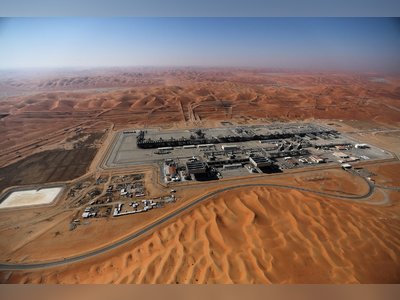
The UAE has invested heavily in expanding its oil production capacity and has repeatedly signaled frustration that quota limits constrain its ability to monetize this capacity.
Its national strategy increasingly prioritizes flexible output management tied to domestic economic diversification goals rather than collective supply discipline.
The move also reflects deeper geopolitical strain within the Gulf.
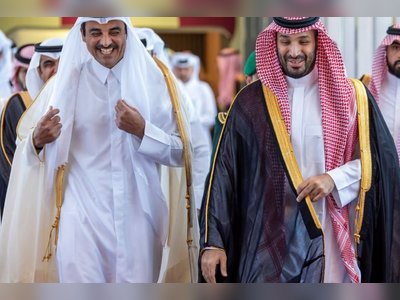
Relations between the UAE and Saudi Arabia, while still cooperative on many fronts, have been marked by disagreements over oil policy, regional security posture, and influence within OPEC’s decision-making structure.
Saudi Arabia, as the largest producer and de facto leader of the group, has traditionally driven output coordination aimed at stabilizing prices, while the UAE has increasingly pushed for greater autonomy in production decisions.
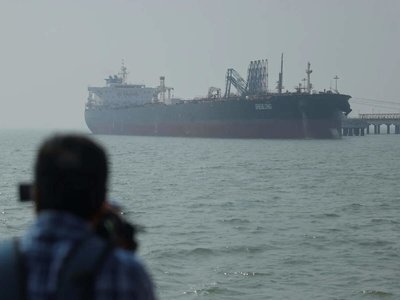
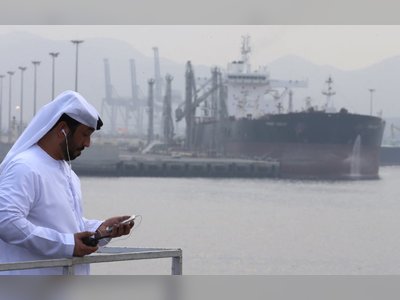
A major external factor shaping the timing is regional instability linked to the wider conflict involving Iran and disruptions to shipping through the Strait of Hormuz, a critical chokepoint for global oil flows.
These disruptions have already constrained exports across the Gulf and distorted supply conditions, reducing the immediate practical impact of quota systems while intensifying pressure on producers to prioritize national over collective strategies.
Analysts note that the UAE is uniquely positioned among OPEC members due to its high production capacity and extensive investment pipeline, giving it the ability to expand output independently once logistical constraints ease.
This capacity makes its exit more consequential than previous departures by smaller producers, because it removes a significant volume buffer from the coordinated system.
The consequences for OPEC are structural.
The organization’s ability to coordinate supply cuts and stabilize global prices depends on internal compliance and collective discipline.
The UAE’s departure reduces that cohesion and increases Saudi Arabia’s burden as the primary stabilizing producer.
It also raises the risk that other members may reassess their participation if independent production strategies become more economically attractive.
Geopolitically, the decision reflects a broader shift in Gulf energy strategy toward national optimization rather than bloc alignment.
It aligns with the UAE’s long-term economic diversification agenda, which prioritizes sectors beyond oil, including logistics, finance, and advanced technology, while still leveraging hydrocarbons as a strategic revenue base rather than a quota-constrained commodity.
The United States and its political leadership have viewed OPEC coordination critically in the past, arguing it can restrict supply and elevate global prices.
In that context, the UAE’s exit has been interpreted by some analysts as indirectly supportive of market liberalization, although its primary drivers remain internal Gulf dynamics rather than external political alignment.
The immediate effect is a reshaping of expectations in oil markets.
While physical supply adjustments will depend on infrastructure constraints and regional stability, the political signal is clear: the coordinated production model that has governed global oil supply for decades is weakening, and national producers are increasingly acting independently in response to economic and geopolitical pressures.
The United Arab Emirates has formally announced its withdrawal from OPEC and the broader OPEC+ coalition, ending nearly six decades of membership and marking one of the most significant fractures in the history of the global oil-exporting bloc.
The exit is set to take effect on May 1, 2026, and immediately alters the structure of coordinated oil production management that has shaped global energy markets for generations.
What is confirmed is that the UAE’s decision follows prolonged disputes inside OPEC+ over production quotas and output ceilings.
The UAE has invested heavily in expanding its oil production capacity and has repeatedly signaled frustration that quota limits constrain its ability to monetize this capacity.
Its national strategy increasingly prioritizes flexible output management tied to domestic economic diversification goals rather than collective supply discipline.
The move also reflects deeper geopolitical strain within the Gulf.
Relations between the UAE and Saudi Arabia, while still cooperative on many fronts, have been marked by disagreements over oil policy, regional security posture, and influence within OPEC’s decision-making structure.
Saudi Arabia, as the largest producer and de facto leader of the group, has traditionally driven output coordination aimed at stabilizing prices, while the UAE has increasingly pushed for greater autonomy in production decisions.
A major external factor shaping the timing is regional instability linked to the wider conflict involving Iran and disruptions to shipping through the Strait of Hormuz, a critical chokepoint for global oil flows.
These disruptions have already constrained exports across the Gulf and distorted supply conditions, reducing the immediate practical impact of quota systems while intensifying pressure on producers to prioritize national over collective strategies.
Analysts note that the UAE is uniquely positioned among OPEC members due to its high production capacity and extensive investment pipeline, giving it the ability to expand output independently once logistical constraints ease.
This capacity makes its exit more consequential than previous departures by smaller producers, because it removes a significant volume buffer from the coordinated system.
The consequences for OPEC are structural.
The organization’s ability to coordinate supply cuts and stabilize global prices depends on internal compliance and collective discipline.
The UAE’s departure reduces that cohesion and increases Saudi Arabia’s burden as the primary stabilizing producer.
It also raises the risk that other members may reassess their participation if independent production strategies become more economically attractive.
Geopolitically, the decision reflects a broader shift in Gulf energy strategy toward national optimization rather than bloc alignment.
It aligns with the UAE’s long-term economic diversification agenda, which prioritizes sectors beyond oil, including logistics, finance, and advanced technology, while still leveraging hydrocarbons as a strategic revenue base rather than a quota-constrained commodity.
The United States and its political leadership have viewed OPEC coordination critically in the past, arguing it can restrict supply and elevate global prices.
In that context, the UAE’s exit has been interpreted by some analysts as indirectly supportive of market liberalization, although its primary drivers remain internal Gulf dynamics rather than external political alignment.
The immediate effect is a reshaping of expectations in oil markets.
While physical supply adjustments will depend on infrastructure constraints and regional stability, the political signal is clear: the coordinated production model that has governed global oil supply for decades is weakening, and national producers are increasingly acting independently in response to economic and geopolitical pressures.