US Urges Meeting Between Lebanese President and Israeli PM Amid Ongoing Tension
The US embassy in Lebanon calls for a meeting between Lebanese President Joseph Aoun and Israeli Prime Minister Benjamin Netanyahu as the health ministry reports at least 17 deaths due to Israeli strikes, despite an ongoing ceasefire.
The US embassy in Lebanon has urged a meeting between Lebanese President Joseph Aoun and Israeli Prime Minister Benjamin Netanyahu, amidst ongoing tension and conflict.
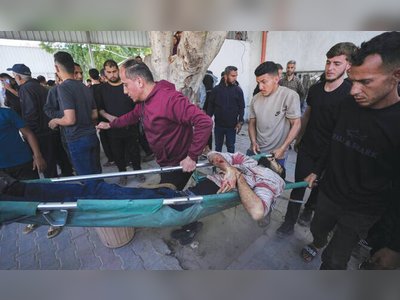
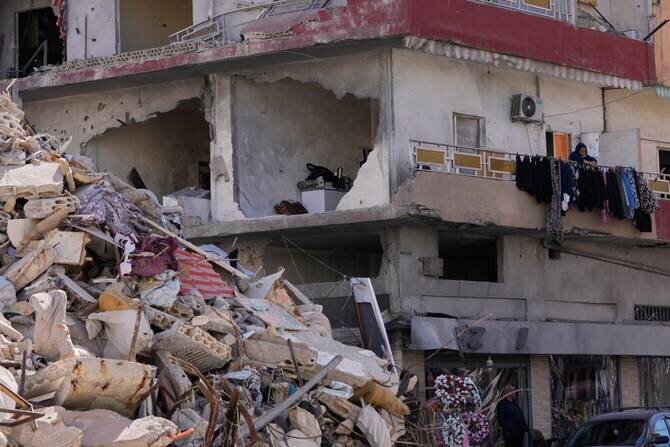
According to the health ministry, Israeli strikes on southern Lebanon have resulted in at least 17 fatalities, underscoring the need for a cessation of hostilities.
This call comes following two recent meetings between representatives from both nations in Washington, marking the first such interactions in decades.
The meetings followed Lebanon's involvement in the Middle East conflict, initiated by the Iran-backed Hezbollah group on March 2, which prompted significant Israeli strikes and a ground invasion.
In response to these developments, US President Donald Trump announced a 10-day ceasefire in Lebanon that began on April 17, with a subsequent three-week extension.
Trump has expressed his intention to facilitate direct negotiations between Aoun and Netanyahu, aiming to address key issues such as sovereignty, territorial integrity, secure borders, humanitarian support, and the restoration of Lebanese state authority.
However, this proposal has faced resistance, particularly from Hezbollah, which rejects direct negotiations and challenges Beirut's commitment to disarm.
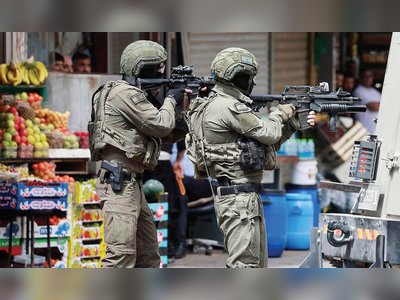
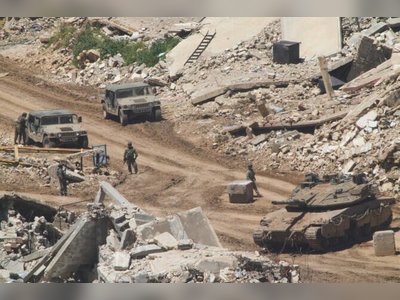
The situation remains precarious, with ongoing Israeli strikes and military operations within a 'Yellow Line' approximately 10 kilometers deep into Lebanese territory.
The health ministry reports that 17 individuals, including five women and two children, lost their lives on Thursday due to these strikes.
In addition, one Lebanese soldier was killed, and the country's president criticized Israel for violating international laws and conventions by targeting civilians, paramedics, and humanitarian organizations.
The conflict has also led to protests in Beirut, where southern Lebanon residents gather to voice their opposition to Israel's actions.
Despite the ceasefire agreement, which grants Israel the right to act against 'planned, imminent or ongoing attacks,' Hezbollah disputes this language, stating it was never formally presented to Lebanon's cabinet.
This development highlights a complex and volatile situation in the region, with diplomatic efforts crucial for finding a peaceful resolution.
According to the health ministry, Israeli strikes on southern Lebanon have resulted in at least 17 fatalities, underscoring the need for a cessation of hostilities.
This call comes following two recent meetings between representatives from both nations in Washington, marking the first such interactions in decades.
The meetings followed Lebanon's involvement in the Middle East conflict, initiated by the Iran-backed Hezbollah group on March 2, which prompted significant Israeli strikes and a ground invasion.
In response to these developments, US President Donald Trump announced a 10-day ceasefire in Lebanon that began on April 17, with a subsequent three-week extension.
Trump has expressed his intention to facilitate direct negotiations between Aoun and Netanyahu, aiming to address key issues such as sovereignty, territorial integrity, secure borders, humanitarian support, and the restoration of Lebanese state authority.
However, this proposal has faced resistance, particularly from Hezbollah, which rejects direct negotiations and challenges Beirut's commitment to disarm.
The situation remains precarious, with ongoing Israeli strikes and military operations within a 'Yellow Line' approximately 10 kilometers deep into Lebanese territory.
The health ministry reports that 17 individuals, including five women and two children, lost their lives on Thursday due to these strikes.
In addition, one Lebanese soldier was killed, and the country's president criticized Israel for violating international laws and conventions by targeting civilians, paramedics, and humanitarian organizations.
The conflict has also led to protests in Beirut, where southern Lebanon residents gather to voice their opposition to Israel's actions.
Despite the ceasefire agreement, which grants Israel the right to act against 'planned, imminent or ongoing attacks,' Hezbollah disputes this language, stating it was never formally presented to Lebanon's cabinet.
This development highlights a complex and volatile situation in the region, with diplomatic efforts crucial for finding a peaceful resolution.