Saudi Arabia Accelerates National Road Upgrades to Support Hajj Transport System
Kingdom integrates large-scale road modernization into a broader multi-modal logistics plan aimed at managing millions of pilgrims during the Hajj season under Vision 2030
Saudi Arabia’s transport system is undergoing a coordinated infrastructure overhaul centered on road modernization, designed to support the annual movement of millions of Hajj pilgrims across the Kingdom’s most sensitive logistical corridors.
The initiative is part of a wider, system-wide readiness plan that integrates highways, airports, rail networks, and urban mobility systems into a single operational framework ahead of the pilgrimage season.
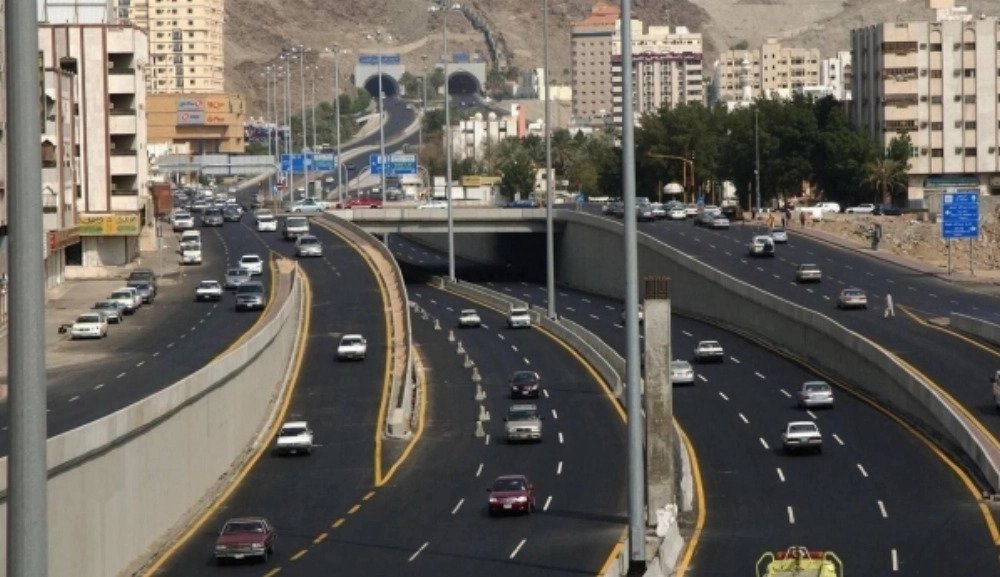
At the core of the effort is the Roads General Authority’s push to upgrade and maintain key highway networks linking entry points such as airports and major cities to the holy sites in Makkah, Mina, Arafat, and Muzdalifah.
The road upgrades are not isolated construction projects but part of a broader transport architecture intended to reduce congestion, shorten travel times, and improve safety under extreme seasonal demand.
Authorities have emphasized that road quality directly affects crowd management during Hajj, where even minor bottlenecks can cascade into large-scale mobility disruptions.
The road modernization push is embedded in a wider national logistics mobilization that spans all transport modes.
Government agencies have already activated large-scale operational readiness measures across aviation, rail, and land transport systems.
Millions of airline seats have been allocated across thousands of flights, while high-capacity rail services such as the Haramain High-Speed Railway and the Al-Mashaaer Al-Mugaddassah Metro are scheduled to carry millions of passengers between key religious sites.
On the ground, tens of thousands of buses and support vehicles are being deployed to manage last-mile connectivity between transport hubs and pilgrimage zones.
The road system itself is being upgraded through extensive maintenance and infrastructure reinforcement programs.
These include resurfacing, removal of sand encroachment on highways, expansion of road capacity in high-traffic corridors, and upgrades to lighting, signage, and safety systems.
The goal is to create uninterrupted traffic flow between transport nodes, particularly during peak movement windows when pilgrims transition between stages of the Hajj ritual.
Operational coordination is a defining feature of the system.
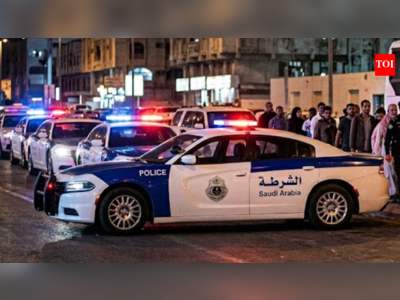
Transport authorities are working in tandem with municipal bodies, emergency services, and safety regulators to monitor traffic conditions in real time.
Integrated command systems and safety centers are tasked with responding to incidents across road, rail, air, and sea transport networks, reflecting a shift toward centralized oversight of pilgrimage mobility.
The stakes behind the road overhaul are structural rather than symbolic.
Hajj represents one of the largest recurring mass movements of people in the world, concentrated into a narrow geographic area over a short time window.
Any inefficiency in road infrastructure can translate directly into delays, heat exposure risks, and safety incidents.
As a result, road engineering is being treated not only as infrastructure policy but as a core component of public safety management.
The broader implication is that Saudi Arabia is increasingly treating Hajj logistics as a continuously engineered system rather than a seasonal operation.
The integration of upgraded road networks into a unified transport strategy reflects a long-term shift toward data-driven crowd management, where infrastructure, mobility planning, and safety enforcement operate as a single coordinated mechanism supporting the pilgrimage at national scale.
The initiative is part of a wider, system-wide readiness plan that integrates highways, airports, rail networks, and urban mobility systems into a single operational framework ahead of the pilgrimage season.
At the core of the effort is the Roads General Authority’s push to upgrade and maintain key highway networks linking entry points such as airports and major cities to the holy sites in Makkah, Mina, Arafat, and Muzdalifah.
The road upgrades are not isolated construction projects but part of a broader transport architecture intended to reduce congestion, shorten travel times, and improve safety under extreme seasonal demand.
Authorities have emphasized that road quality directly affects crowd management during Hajj, where even minor bottlenecks can cascade into large-scale mobility disruptions.
The road modernization push is embedded in a wider national logistics mobilization that spans all transport modes.
Government agencies have already activated large-scale operational readiness measures across aviation, rail, and land transport systems.
Millions of airline seats have been allocated across thousands of flights, while high-capacity rail services such as the Haramain High-Speed Railway and the Al-Mashaaer Al-Mugaddassah Metro are scheduled to carry millions of passengers between key religious sites.
On the ground, tens of thousands of buses and support vehicles are being deployed to manage last-mile connectivity between transport hubs and pilgrimage zones.
The road system itself is being upgraded through extensive maintenance and infrastructure reinforcement programs.
These include resurfacing, removal of sand encroachment on highways, expansion of road capacity in high-traffic corridors, and upgrades to lighting, signage, and safety systems.
The goal is to create uninterrupted traffic flow between transport nodes, particularly during peak movement windows when pilgrims transition between stages of the Hajj ritual.
Operational coordination is a defining feature of the system.
Transport authorities are working in tandem with municipal bodies, emergency services, and safety regulators to monitor traffic conditions in real time.
Integrated command systems and safety centers are tasked with responding to incidents across road, rail, air, and sea transport networks, reflecting a shift toward centralized oversight of pilgrimage mobility.
The stakes behind the road overhaul are structural rather than symbolic.
Hajj represents one of the largest recurring mass movements of people in the world, concentrated into a narrow geographic area over a short time window.
Any inefficiency in road infrastructure can translate directly into delays, heat exposure risks, and safety incidents.
As a result, road engineering is being treated not only as infrastructure policy but as a core component of public safety management.
The broader implication is that Saudi Arabia is increasingly treating Hajj logistics as a continuously engineered system rather than a seasonal operation.
The integration of upgraded road networks into a unified transport strategy reflects a long-term shift toward data-driven crowd management, where infrastructure, mobility planning, and safety enforcement operate as a single coordinated mechanism supporting the pilgrimage at national scale.