Iran Receives US Response to Latest Peace Talks Offer
Iran's Foreign Ministry spokesperson confirms receipt of US response via Pakistan, reviewing proposal.
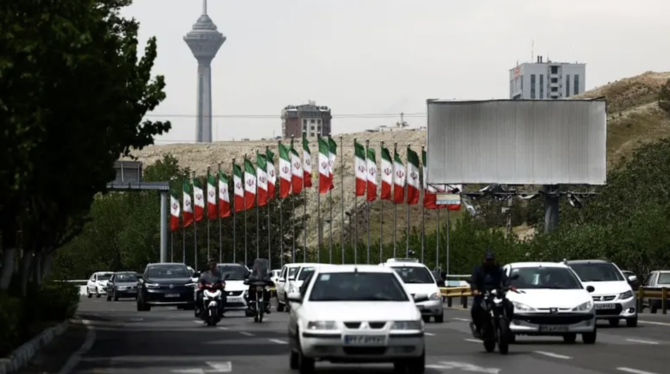
DUBAI: Iran stated on Sunday that it has received the United States' response to its latest peace talks offer, a day after President Donald Trump indicated he was likely to reject the Iranian proposal due to what he perceived as insufficient consequences for past actions against humanity and the world.
Iranian state media reported that the US conveyed its response through Pakistan.
Tehran is currently reviewing it, though there has been no confirmation from Washington or Islamabad regarding the content of the US response.
According to Iranian Foreign Ministry spokesperson Esmaeil Baghaei, 'At this stage, we do not have nuclear negotiations,' suggesting a focus on setting aside nuclear talks until after the war and lifting opposing blockades.
On Saturday, Trump expressed that he had not yet reviewed Iran's exact proposal but was inclined to reject it.
In his statement, Trump emphasized that Iran has not paid a significant enough price for its actions over the last 47 years.
The United States and Israel suspended their bombing campaign against Iran four weeks ago, with one round of talks between US and Iranian officials.
However, further meetings have yet to be established.
Iran presented its latest proposal on Thursday, envisioning an end to the war and resolving the shipping standoff first while saving nuclear program talks for later.
Though Trump initially expressed dissatisfaction with the Iranian proposal on Friday, he maintained a stance of reviewing it further on Saturday.
He stated that he was still considering the possibility of restarting strikes on Iran if they 'misbehave' or 'do something bad'.
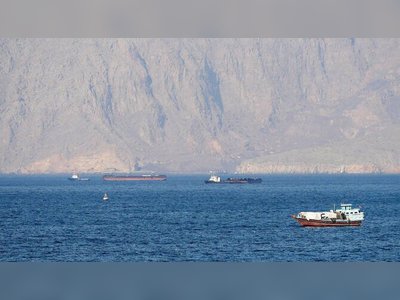
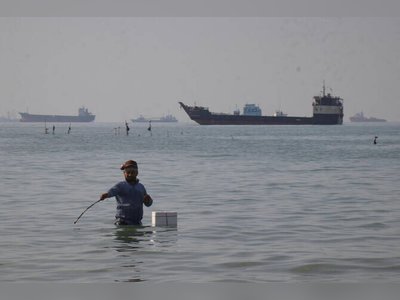
A bulk carrier near the Strait of Hormuz was reportedly attacked by multiple small craft on Sunday, marking at least two dozen attacks in and around the strait since the Iran war began.
The attack resulted in no injuries to the crew.
The Iranian proposal includes withdrawing US forces from nearby areas, lifting blockades, releasing frozen assets, paying compensation, ending sanctions, resolving the ongoing conflict on multiple fronts including Lebanon, and establishing a new control mechanism for the Strait of Hormuz.
Iran has blocked most shipping from the Gulf except its own for over two months.
The US recently imposed its own blockade on ships from Iranian ports.
Tehran believes its latest proposal to delay nuclear talks until a later stage represents a significant shift aimed at facilitating an agreement, according to an unnamed senior Iranian official.
This framework moves nuclear negotiations to the final phase to create a more conducive atmosphere for reaching an understanding.
Iranian state media reported that the US conveyed its response through Pakistan.
Tehran is currently reviewing it, though there has been no confirmation from Washington or Islamabad regarding the content of the US response.
According to Iranian Foreign Ministry spokesperson Esmaeil Baghaei, 'At this stage, we do not have nuclear negotiations,' suggesting a focus on setting aside nuclear talks until after the war and lifting opposing blockades.
On Saturday, Trump expressed that he had not yet reviewed Iran's exact proposal but was inclined to reject it.
In his statement, Trump emphasized that Iran has not paid a significant enough price for its actions over the last 47 years.
The United States and Israel suspended their bombing campaign against Iran four weeks ago, with one round of talks between US and Iranian officials.
However, further meetings have yet to be established.
Iran presented its latest proposal on Thursday, envisioning an end to the war and resolving the shipping standoff first while saving nuclear program talks for later.
Though Trump initially expressed dissatisfaction with the Iranian proposal on Friday, he maintained a stance of reviewing it further on Saturday.
He stated that he was still considering the possibility of restarting strikes on Iran if they 'misbehave' or 'do something bad'.
A bulk carrier near the Strait of Hormuz was reportedly attacked by multiple small craft on Sunday, marking at least two dozen attacks in and around the strait since the Iran war began.
The attack resulted in no injuries to the crew.
The Iranian proposal includes withdrawing US forces from nearby areas, lifting blockades, releasing frozen assets, paying compensation, ending sanctions, resolving the ongoing conflict on multiple fronts including Lebanon, and establishing a new control mechanism for the Strait of Hormuz.
Iran has blocked most shipping from the Gulf except its own for over two months.
The US recently imposed its own blockade on ships from Iranian ports.
Tehran believes its latest proposal to delay nuclear talks until a later stage represents a significant shift aimed at facilitating an agreement, according to an unnamed senior Iranian official.
This framework moves nuclear negotiations to the final phase to create a more conducive atmosphere for reaching an understanding.