0:00
0:00
Saudi Arabia Slashes Oil Output as Strait of Hormuz Crisis Cuts Deep Into Gulf Revenues
Production reduction of roughly twenty percent reflects export bottlenecks and lost energy income as conflict around Iran disrupts one of the world’s most vital oil corridors
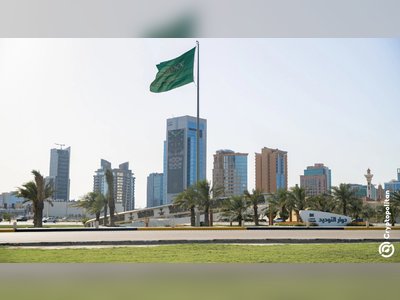
Saudi Arabia has reduced its oil production by roughly twenty percent as the ongoing crisis surrounding Iran and the Strait of Hormuz severely disrupts Gulf energy exports and erodes regional oil revenues.
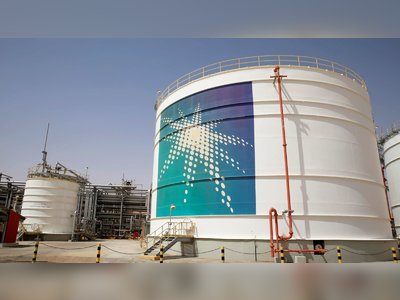
The kingdom, the world’s largest crude exporter, has lowered output to around eight million barrels per day, down from levels exceeding ten million barrels per day earlier in the year.
The cut reflects a combination of logistical constraints, security risks and shrinking export capacity caused by the near-closure of the Strait of Hormuz, the narrow maritime corridor through which roughly a fifth of global oil shipments normally pass.
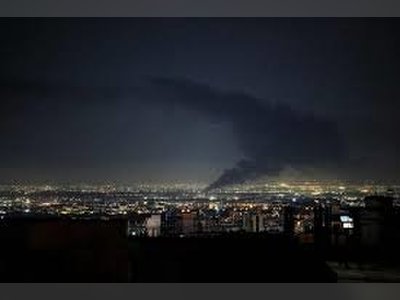
Military escalation in the region has dramatically reduced tanker traffic through the strait, creating a bottleneck for Gulf producers whose exports depend heavily on the route.
With ships unable to move freely and storage facilities filling rapidly, major oil exporters across the region have begun scaling back production to prevent supply from overwhelming available infrastructure.
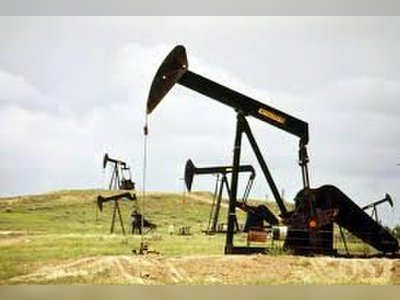
Saudi Arabia has responded by curbing output at several oilfields and redirecting shipments through alternative routes.
The kingdom’s east-west pipeline, which transports crude from eastern oilfields to the Red Sea port of Yanbu, has become a crucial lifeline allowing exports to bypass the Gulf chokepoint.
Even so, the pipeline cannot fully replace the capacity normally available through the Strait of Hormuz.
Energy analysts say the disruption has erased billions of dollars in expected oil revenue across Gulf economies as export volumes shrink despite rising global prices.
The slowdown has also forced governments and national oil companies to adjust production plans, storage strategies and shipping logistics at unprecedented speed.
Saudi Arabia is not alone in reducing output.
Iraq, Kuwait and the United Arab Emirates have also trimmed production as regional storage fills and maritime transport remains constrained.
The combined reductions have contributed to what energy agencies describe as the largest oil supply disruption in modern market history.
Despite the production cuts, Saudi authorities are continuing efforts to maintain stability in global energy markets by increasing exports from Red Sea terminals and drawing on stored crude supplies.
These measures aim to preserve deliveries to key customers while the kingdom navigates the operational challenges created by the conflict.
The crisis has sent shockwaves through global energy markets, pushing oil prices sharply higher and intensifying concerns about inflation and economic stability in energy-importing countries.
Analysts warn that the longer the Strait of Hormuz remains constrained, the greater the risk of prolonged supply shortages and continued volatility across international oil markets.
The kingdom, the world’s largest crude exporter, has lowered output to around eight million barrels per day, down from levels exceeding ten million barrels per day earlier in the year.
The cut reflects a combination of logistical constraints, security risks and shrinking export capacity caused by the near-closure of the Strait of Hormuz, the narrow maritime corridor through which roughly a fifth of global oil shipments normally pass.
Military escalation in the region has dramatically reduced tanker traffic through the strait, creating a bottleneck for Gulf producers whose exports depend heavily on the route.
With ships unable to move freely and storage facilities filling rapidly, major oil exporters across the region have begun scaling back production to prevent supply from overwhelming available infrastructure.
Saudi Arabia has responded by curbing output at several oilfields and redirecting shipments through alternative routes.
The kingdom’s east-west pipeline, which transports crude from eastern oilfields to the Red Sea port of Yanbu, has become a crucial lifeline allowing exports to bypass the Gulf chokepoint.
Even so, the pipeline cannot fully replace the capacity normally available through the Strait of Hormuz.
Energy analysts say the disruption has erased billions of dollars in expected oil revenue across Gulf economies as export volumes shrink despite rising global prices.
The slowdown has also forced governments and national oil companies to adjust production plans, storage strategies and shipping logistics at unprecedented speed.
Saudi Arabia is not alone in reducing output.
Iraq, Kuwait and the United Arab Emirates have also trimmed production as regional storage fills and maritime transport remains constrained.
The combined reductions have contributed to what energy agencies describe as the largest oil supply disruption in modern market history.
Despite the production cuts, Saudi authorities are continuing efforts to maintain stability in global energy markets by increasing exports from Red Sea terminals and drawing on stored crude supplies.
These measures aim to preserve deliveries to key customers while the kingdom navigates the operational challenges created by the conflict.
The crisis has sent shockwaves through global energy markets, pushing oil prices sharply higher and intensifying concerns about inflation and economic stability in energy-importing countries.
Analysts warn that the longer the Strait of Hormuz remains constrained, the greater the risk of prolonged supply shortages and continued volatility across international oil markets.