0:00
0:00
Saudi-Pakistan Defence Pact Faces Real-World Constraints as Iran War Escalates
Strategic agreement signals solidarity between Riyadh and Islamabad, but political realities and regional risks limit how far the partnership can extend in an active conflict
The escalating war involving Iran has placed renewed attention on the defence partnership between Saudi Arabia and Pakistan, highlighting both the strategic significance of their alliance and the practical limits of how far it can extend in a real military confrontation.
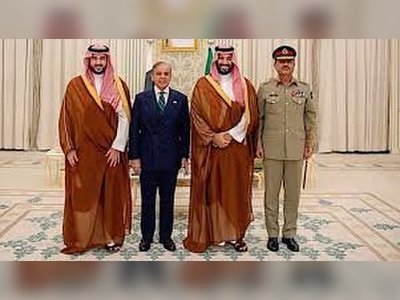
Saudi Arabia and Pakistan signed a Strategic Mutual Defence Agreement in September 2025, formalising decades of close military cooperation.
The pact states that aggression against one country would be considered aggression against both, reflecting Riyadh’s effort to strengthen deterrence and deepen ties with a key security partner in the Muslim world.
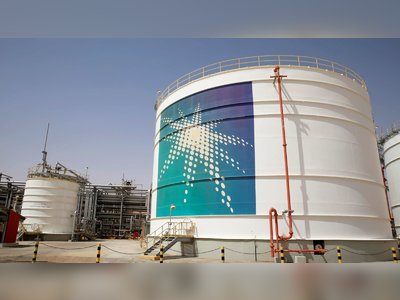
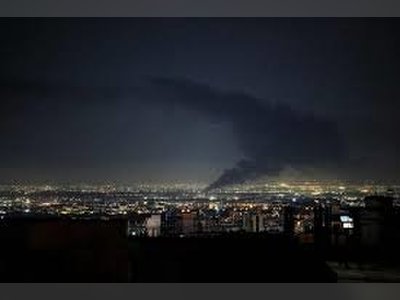
The agreement has gained fresh relevance as Iran’s retaliatory missile and drone attacks have targeted infrastructure and military facilities across Saudi Arabia during the ongoing conflict.
Pakistani officials have expressed strong political support for the kingdom and indicated that Islamabad would stand by Riyadh if its security were threatened.
Despite the symbolism of the pact, analysts note that translating such commitments into direct military intervention is far more complicated.
Pakistan shares a long border with Iran and maintains complex diplomatic, economic and security ties with Tehran.
Any overt participation in a war against Iran could risk destabilising Pakistan’s own border regions and undermining its regional diplomacy.
The defence agreement itself focuses largely on cooperation rather than automatic military deployment.
It includes provisions for intelligence sharing, training, strategic consultation and joint planning rather than a clearly defined framework for collective combat operations.
Pakistan’s domestic priorities also constrain its options.
The country faces security challenges along multiple fronts, including tensions on its western border and longstanding strategic concerns involving India.
Committing major forces to a distant conflict would therefore require careful political and military calculations.
Saudi Arabia’s own strategy further shapes the limits of the arrangement.
While the kingdom maintains strong defensive capabilities and partnerships with several international allies, its leadership has generally sought to avoid a broader regional war even while defending its territory against attacks.
As a result, Pakistan’s role in the crisis is widely viewed as one of diplomatic support, intelligence cooperation and potential logistical assistance rather than immediate large-scale military involvement.
Islamabad may also act as a channel for communication with Tehran, reflecting its longstanding relationships with both sides.
The situation underscores a broader reality of modern defence agreements: they often serve as instruments of deterrence and political signalling as much as operational military alliances.
In the case of the Saudi-Pakistan pact, the partnership strengthens Saudi Arabia’s security network while giving both countries flexibility to respond carefully to a rapidly evolving regional conflict.
Saudi Arabia and Pakistan signed a Strategic Mutual Defence Agreement in September 2025, formalising decades of close military cooperation.
The pact states that aggression against one country would be considered aggression against both, reflecting Riyadh’s effort to strengthen deterrence and deepen ties with a key security partner in the Muslim world.
The agreement has gained fresh relevance as Iran’s retaliatory missile and drone attacks have targeted infrastructure and military facilities across Saudi Arabia during the ongoing conflict.
Pakistani officials have expressed strong political support for the kingdom and indicated that Islamabad would stand by Riyadh if its security were threatened.
Despite the symbolism of the pact, analysts note that translating such commitments into direct military intervention is far more complicated.
Pakistan shares a long border with Iran and maintains complex diplomatic, economic and security ties with Tehran.
Any overt participation in a war against Iran could risk destabilising Pakistan’s own border regions and undermining its regional diplomacy.
The defence agreement itself focuses largely on cooperation rather than automatic military deployment.
It includes provisions for intelligence sharing, training, strategic consultation and joint planning rather than a clearly defined framework for collective combat operations.
Pakistan’s domestic priorities also constrain its options.
The country faces security challenges along multiple fronts, including tensions on its western border and longstanding strategic concerns involving India.
Committing major forces to a distant conflict would therefore require careful political and military calculations.
Saudi Arabia’s own strategy further shapes the limits of the arrangement.
While the kingdom maintains strong defensive capabilities and partnerships with several international allies, its leadership has generally sought to avoid a broader regional war even while defending its territory against attacks.
As a result, Pakistan’s role in the crisis is widely viewed as one of diplomatic support, intelligence cooperation and potential logistical assistance rather than immediate large-scale military involvement.
Islamabad may also act as a channel for communication with Tehran, reflecting its longstanding relationships with both sides.
The situation underscores a broader reality of modern defence agreements: they often serve as instruments of deterrence and political signalling as much as operational military alliances.
In the case of the Saudi-Pakistan pact, the partnership strengthens Saudi Arabia’s security network while giving both countries flexibility to respond carefully to a rapidly evolving regional conflict.