0:00
0:00
Formula One Set to Cancel Bahrain and Saudi Arabian Grands Prix Amid Escalating Iran War
Security concerns linked to the expanding Middle East conflict are expected to force the cancellation of two early-season races, reducing the 2026 championship calendar
Formula One is preparing to cancel its upcoming Grands Prix in Bahrain and Saudi Arabia as escalating conflict involving Iran raises serious security concerns across the Middle East.
The races, originally scheduled for April at the Bahrain International Circuit and the Jeddah Corniche Circuit, are expected to be removed from the 2026 championship calendar.
The Bahrain event was due to take place on April ten to twelve, followed by the Saudi Arabian Grand Prix a week later from April seventeen to nineteen.
Motorsport officials have been closely monitoring the regional situation and sources indicate a final decision is likely to be confirmed imminently.
The potential cancellations follow a wave of military escalation across the region after joint United States and Israeli strikes on Iranian targets were followed by retaliatory actions from Tehran against American and allied positions across the Gulf.
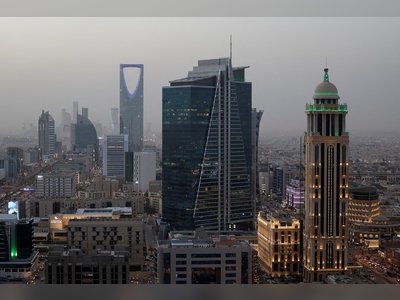
Several Gulf states, including Bahrain and Saudi Arabia, have experienced heightened security alerts and disruptions linked to the confrontation.
Within Formula One, safety considerations for drivers, teams, staff and spectators have become the decisive factor.
Thousands of personnel and large quantities of equipment must be transported for each race weekend, making the logistics of operating in an active conflict zone extremely difficult.
If the cancellations are confirmed, the 2026 championship would shrink from a planned twenty-four rounds to twenty-two races.
Current planning suggests the removed races will not be replaced due to the already crowded schedule and logistical constraints.
That outcome would create an extended break in April between the Japanese Grand Prix, scheduled for late March, and the Miami Grand Prix in early May.
The Middle East has become a central pillar of the Formula One calendar over the past decade, regularly hosting races in Bahrain, Saudi Arabia, Qatar and Abu Dhabi, as well as pre-season testing.
The sudden disruption highlights how global geopolitical tensions can directly affect international sporting events and the extensive logistics that support them.
Teams and officials have already faced operational complications linked to the crisis.
Earlier tyre testing sessions planned in Bahrain were cancelled and some freight movements were disrupted as regional airspace restrictions and security alerts affected travel planning.
Although the early-season events in Bahrain and Saudi Arabia now appear unlikely to proceed, organisers still intend to monitor conditions in the region ahead of the later races scheduled in Qatar and Abu Dhabi toward the end of the season.
For Formula One, the developments represent one of the most significant calendar disruptions in recent years, underscoring how global sporting competitions remain closely tied to the broader geopolitical environment in which they operate.
The races, originally scheduled for April at the Bahrain International Circuit and the Jeddah Corniche Circuit, are expected to be removed from the 2026 championship calendar.
The Bahrain event was due to take place on April ten to twelve, followed by the Saudi Arabian Grand Prix a week later from April seventeen to nineteen.
Motorsport officials have been closely monitoring the regional situation and sources indicate a final decision is likely to be confirmed imminently.
The potential cancellations follow a wave of military escalation across the region after joint United States and Israeli strikes on Iranian targets were followed by retaliatory actions from Tehran against American and allied positions across the Gulf.
Several Gulf states, including Bahrain and Saudi Arabia, have experienced heightened security alerts and disruptions linked to the confrontation.
Within Formula One, safety considerations for drivers, teams, staff and spectators have become the decisive factor.
Thousands of personnel and large quantities of equipment must be transported for each race weekend, making the logistics of operating in an active conflict zone extremely difficult.
If the cancellations are confirmed, the 2026 championship would shrink from a planned twenty-four rounds to twenty-two races.
Current planning suggests the removed races will not be replaced due to the already crowded schedule and logistical constraints.
That outcome would create an extended break in April between the Japanese Grand Prix, scheduled for late March, and the Miami Grand Prix in early May.
The Middle East has become a central pillar of the Formula One calendar over the past decade, regularly hosting races in Bahrain, Saudi Arabia, Qatar and Abu Dhabi, as well as pre-season testing.
The sudden disruption highlights how global geopolitical tensions can directly affect international sporting events and the extensive logistics that support them.
Teams and officials have already faced operational complications linked to the crisis.
Earlier tyre testing sessions planned in Bahrain were cancelled and some freight movements were disrupted as regional airspace restrictions and security alerts affected travel planning.
Although the early-season events in Bahrain and Saudi Arabia now appear unlikely to proceed, organisers still intend to monitor conditions in the region ahead of the later races scheduled in Qatar and Abu Dhabi toward the end of the season.
For Formula One, the developments represent one of the most significant calendar disruptions in recent years, underscoring how global sporting competitions remain closely tied to the broader geopolitical environment in which they operate.