0:00
0:00
Saudi Aramco Turns to Ukrainian Drone Interceptors to Shield Oil Infrastructure from Iranian Threats
Energy giant explores low-cost Ukrainian counter-drone systems as attacks on Gulf energy facilities highlight vulnerabilities in traditional air defenses
Saudi Arabia’s state energy giant Saudi Aramco is exploring the use of Ukrainian-made interceptor drones as part of a new strategy to defend critical oil infrastructure against Iranian aerial attacks.
Discussions are underway between the company and at least two Ukrainian defense firms regarding the potential purchase of cost-effective interceptor drones designed to neutralize incoming unmanned aircraft.
The move reflects growing concern among Gulf energy producers as Iranian drone operations increasingly target oil facilities and related infrastructure across the region.
The initiative comes amid a wider escalation of drone and missile attacks linked to the regional confrontation involving Iran and Western-aligned forces.
Saudi Arabia has already faced multiple attempted strikes on key energy installations, including oil facilities operated by Aramco.
In several cases, Saudi air defenses intercepted drones before they reached their intended targets, although debris has caused limited damage in some incidents.
Ukrainian counter-drone technology has drawn significant international attention after being battle-tested during Ukraine’s conflict with Russia.
Ukrainian engineers developed interceptor drones capable of colliding with or detonating near hostile unmanned aircraft, offering a relatively inexpensive method of neutralizing threats such as Iran’s Shahed-type attack drones.
These systems are significantly cheaper than traditional missile defenses such as Patriot interceptors, which can cost millions of dollars per launch.
Ukrainian interceptor drones, by contrast, can be produced at a fraction of the price, allowing them to be deployed in large numbers to counter swarms of incoming drones.
The cost advantage has made Ukraine’s technology attractive to several countries facing rising drone threats.
Gulf states, including Saudi Arabia and the United Arab Emirates, as well as the United States, have all explored potential cooperation with Ukrainian developers to strengthen defenses against Iranian aerial attacks.
Saudi Arabia has been steadily expanding its defensive capabilities as regional tensions intensify.
Protecting oil facilities is a strategic priority for the kingdom, which remains one of the world’s largest energy exporters and plays a central role in maintaining stability in global oil markets.
Ukraine’s experience confronting Iranian-designed drones on the battlefield has positioned it as a valuable partner in counter-drone innovation.
Ukrainian specialists have also offered to share expertise and deploy technical teams to assist allies in developing new defensive systems.
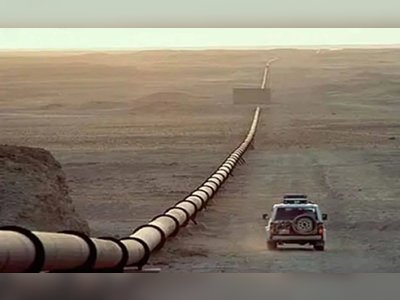
For Saudi Aramco, integrating cost-effective interceptor drones into its broader air-defense network could provide an additional layer of protection for refineries, pipelines and export terminals that form the backbone of the global energy system.
Discussions are underway between the company and at least two Ukrainian defense firms regarding the potential purchase of cost-effective interceptor drones designed to neutralize incoming unmanned aircraft.
The move reflects growing concern among Gulf energy producers as Iranian drone operations increasingly target oil facilities and related infrastructure across the region.
The initiative comes amid a wider escalation of drone and missile attacks linked to the regional confrontation involving Iran and Western-aligned forces.
Saudi Arabia has already faced multiple attempted strikes on key energy installations, including oil facilities operated by Aramco.
In several cases, Saudi air defenses intercepted drones before they reached their intended targets, although debris has caused limited damage in some incidents.
Ukrainian counter-drone technology has drawn significant international attention after being battle-tested during Ukraine’s conflict with Russia.
Ukrainian engineers developed interceptor drones capable of colliding with or detonating near hostile unmanned aircraft, offering a relatively inexpensive method of neutralizing threats such as Iran’s Shahed-type attack drones.
These systems are significantly cheaper than traditional missile defenses such as Patriot interceptors, which can cost millions of dollars per launch.
Ukrainian interceptor drones, by contrast, can be produced at a fraction of the price, allowing them to be deployed in large numbers to counter swarms of incoming drones.
The cost advantage has made Ukraine’s technology attractive to several countries facing rising drone threats.
Gulf states, including Saudi Arabia and the United Arab Emirates, as well as the United States, have all explored potential cooperation with Ukrainian developers to strengthen defenses against Iranian aerial attacks.
Saudi Arabia has been steadily expanding its defensive capabilities as regional tensions intensify.
Protecting oil facilities is a strategic priority for the kingdom, which remains one of the world’s largest energy exporters and plays a central role in maintaining stability in global oil markets.
Ukraine’s experience confronting Iranian-designed drones on the battlefield has positioned it as a valuable partner in counter-drone innovation.
Ukrainian specialists have also offered to share expertise and deploy technical teams to assist allies in developing new defensive systems.
For Saudi Aramco, integrating cost-effective interceptor drones into its broader air-defense network could provide an additional layer of protection for refineries, pipelines and export terminals that form the backbone of the global energy system.