Arab League Summit Calls for Urgent Protection of Palestinians Amid Escalating Violence in Gaza
The summit convened in Baghdad as Israel intensifies military operations in the region, leading to significant civilian casualties and humanitarian crises.
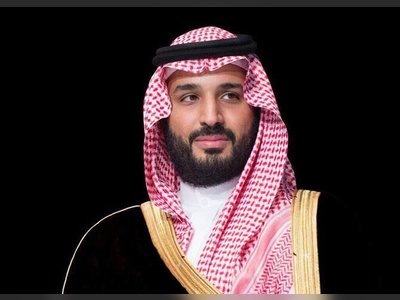
The 34th Arab Summit commenced in Baghdad, where heads of state and delegations from member nations expressed growing concerns over the humanitarian situation in Gaza.
The summit emphasized the urgent need for international mechanisms to protect Palestinian civilians amidst escalating violence, termed by some leaders as 'genocide' and 'ethnic cleansing.'
Simultaneously, the Israeli Defense Forces announced the initiation of extensive ground operations in Gaza, which they described as efforts to gain operational control over key territories within the region.
This declaration followed unsuccessful indirect ceasefire talks in Qatar, aimed at negotiating a truce between Israel and Hamas.
Reports indicate that Israeli forces have claimed responsibility for the elimination of numerous militants and the destruction of tactical infrastructures.
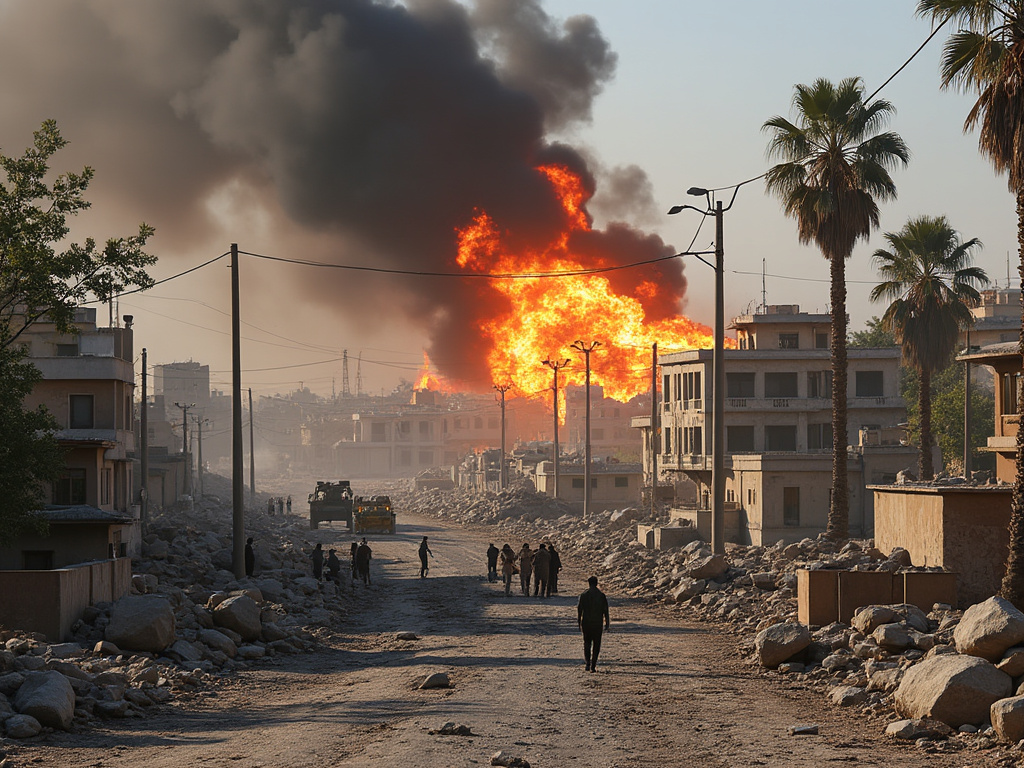
However, the conflict's toll on civilians is severe, with local medical sources estimating that airstrikes overnight resulted in the deaths of approximately 130 individuals, predominantly women and children, across various areas of Gaza.
As of recent accounts, the health ministry in Gaza reports over 53,000 fatalities attributed to the ongoing conflict, with the majority being non-combatants.
Medical officials have stated that hospitals and medical facilities are overwhelmed, leaving them ill-equipped to handle the rising number of casualties.
Khalil al-Deqran, spokesperson for the ministry, highlighted the dire shortages of medical supplies amidst increasing humanitarian needs.
The situation has prompted severe international responses, including statements from the UN Secretary General, who called for an end to what he described as 'collective punishment' against the Palestinian people.
Humanitarian organizations have voiced alarm over the rapidly deteriorating conditions, warning that acute malnutrition rates are soaring, especially among children.
Indirect negotiations facilitated by Qatar continue, focusing on a potential ceasefire that would include the release of hostages taken by Hamas during previous escalations.
In exchange for the hostages, Israel is reportedly conditioning its commitments on Hamas's disarmament and the exile of its leadership—a stance the militant organization has firmly rejected.
The violence has not only raised alarms for immediate humanitarian relief but has also intensified political pressures within Israel.
Observers and family members of hostages have expressed concern that political calculations may be influencing the continuing conflict.
Critics argue that Israel's ongoing military strategies and conditions for negotiation could ultimately prolong the violence, exacerbating humanitarian needs.
Global responses to the violence have manifested in protests in various cities worldwide, denouncing the humanitarian crisis in Gaza and calling for immediate ceasefire and aid.
Protests have taken place in countries such as the Netherlands, Japan, Indonesia, Germany, and Tunisia, emphasizing a widespread call for action against Israel’s military operations and advocating for Palestinian rights.
In a related development, Israeli officials indicated a decision to resume humanitarian aid deliveries into Gaza, which had been halted since early March due to the conflict.
The decision came amid mounting international pressure to address the humanitarian crisis.
Israeli authorities have stated that this aid will be funneled through international organizations, aimed at re-establishing essential food and medical supply chains, although significant challenges remain in ensuring safe and effective distribution.
The continuing military actions and the humanitarian implications reflect the complex dynamics of the Israeli-Palestinian conflict, where military operations intersect with profound humanitarian crises, drawing critical global attention.
The summit emphasized the urgent need for international mechanisms to protect Palestinian civilians amidst escalating violence, termed by some leaders as 'genocide' and 'ethnic cleansing.'
Simultaneously, the Israeli Defense Forces announced the initiation of extensive ground operations in Gaza, which they described as efforts to gain operational control over key territories within the region.
This declaration followed unsuccessful indirect ceasefire talks in Qatar, aimed at negotiating a truce between Israel and Hamas.
Reports indicate that Israeli forces have claimed responsibility for the elimination of numerous militants and the destruction of tactical infrastructures.
However, the conflict's toll on civilians is severe, with local medical sources estimating that airstrikes overnight resulted in the deaths of approximately 130 individuals, predominantly women and children, across various areas of Gaza.
As of recent accounts, the health ministry in Gaza reports over 53,000 fatalities attributed to the ongoing conflict, with the majority being non-combatants.
Medical officials have stated that hospitals and medical facilities are overwhelmed, leaving them ill-equipped to handle the rising number of casualties.
Khalil al-Deqran, spokesperson for the ministry, highlighted the dire shortages of medical supplies amidst increasing humanitarian needs.
The situation has prompted severe international responses, including statements from the UN Secretary General, who called for an end to what he described as 'collective punishment' against the Palestinian people.
Humanitarian organizations have voiced alarm over the rapidly deteriorating conditions, warning that acute malnutrition rates are soaring, especially among children.
Indirect negotiations facilitated by Qatar continue, focusing on a potential ceasefire that would include the release of hostages taken by Hamas during previous escalations.
In exchange for the hostages, Israel is reportedly conditioning its commitments on Hamas's disarmament and the exile of its leadership—a stance the militant organization has firmly rejected.
The violence has not only raised alarms for immediate humanitarian relief but has also intensified political pressures within Israel.
Observers and family members of hostages have expressed concern that political calculations may be influencing the continuing conflict.
Critics argue that Israel's ongoing military strategies and conditions for negotiation could ultimately prolong the violence, exacerbating humanitarian needs.
Global responses to the violence have manifested in protests in various cities worldwide, denouncing the humanitarian crisis in Gaza and calling for immediate ceasefire and aid.
Protests have taken place in countries such as the Netherlands, Japan, Indonesia, Germany, and Tunisia, emphasizing a widespread call for action against Israel’s military operations and advocating for Palestinian rights.
In a related development, Israeli officials indicated a decision to resume humanitarian aid deliveries into Gaza, which had been halted since early March due to the conflict.
The decision came amid mounting international pressure to address the humanitarian crisis.
Israeli authorities have stated that this aid will be funneled through international organizations, aimed at re-establishing essential food and medical supply chains, although significant challenges remain in ensuring safe and effective distribution.
The continuing military actions and the humanitarian implications reflect the complex dynamics of the Israeli-Palestinian conflict, where military operations intersect with profound humanitarian crises, drawing critical global attention.