Arab Press

بالشعب و للشعب
Monday, Jul 27, 2026

Climate change causing 'catastrophic harm to health,' experts warn

Climate change causing 'catastrophic harm to health,' experts warn

Editors of the world's leading medical journals joined together to release a climate change warning ahead of crucial UN and international summits.

A global temperature rise of more than 1.5C risks "catastrophic harm to health that will be impossible to reverse," according to a shared statement published in over 230 of the world's leading medical journals on Monday.

Journals including The Lancet, the New England Journal of Medicine and the BMJ called for government action on climate change ahead of the next UN General Assembly meeting in September, the Kunming biodiversity summit in October and COP26 in Glasgow in November.

The editorial, which marks the first time such a large number of academic journals have shared a statement, criticised the failure of governments to meet the challenge of limiting global warming to 1.5C, calling it a "catastrophic outcome for health and environmental stability".

"The greatest threat to global public health is the continued failure of world leaders to keep the global temperature rise below 1.5C and to restore nature," the editorial read.

Climate change is already here


The statement also highlighted the impacts of climate change that were already being felt around the world, adversely impacting human health, the natural environment and efforts to grow food.

"The risks to health of increases above 1.5C are now well established," it said, citing studies which have found that heat-related mortality among people older than 65 years has increased by more than 50 per cent in the last 20 years.

The editorial also said rising global temperatures had brought increases in dehydration, malignant skin conditions, and a growing number of tropical infections, which it said disproportionately impacted "children, older populations, ethnic minorities, poorer communities, and those with underlying health problems".

The joint editorial also highlighted the fact that the impacts of climate change would fall unequally on rich and poor countries and called on wealthier nations to shoulder more of the burden.

"Wealthier countries will have to cut emissions more quickly, making reductions by 2030 beyond those currently proposed and reaching net-zero emissions before 2050. Similar targets and emergency action are needed for biodiversity loss and the wider destruction of the natural world," it said.

What should governments do?


The editorial, published simultaneously worldwide by academic publications including the Danish and Finnish Medical Journals, criticised global governments for setting climate targets that were not being met.

"Targets are easy to set and hard to achieve. They are yet to be matched with credible short-term and longer-term plans to accelerate cleaner technologies and transform societies. Emissions reduction plans do not adequately incorporate health considerations," it said.
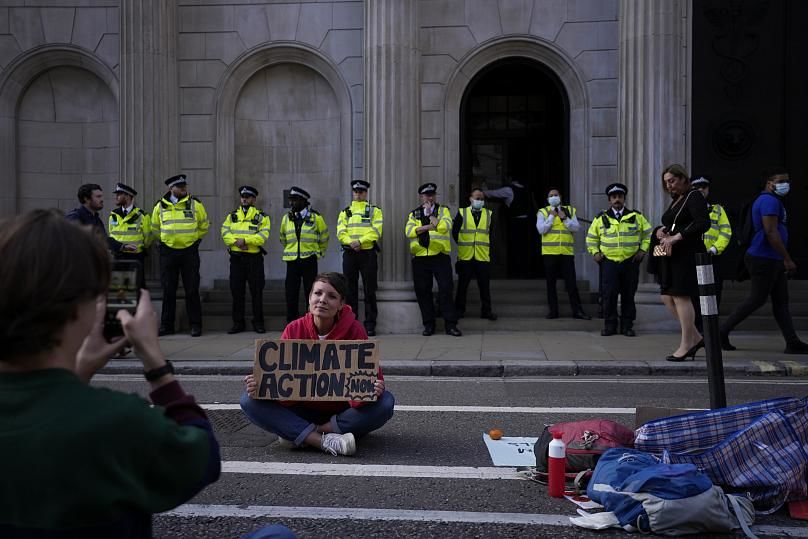
The editorial called for action ahead of key environmental summits this autumn


To rectify the situation, the statement called for "fundamental changes" to the ways global societies and economies are organised.

It said governments would have to intervene directly to mitigate the negative impact of climate change on public health, saying, "the current strategy of encouraging markets to swap dirty for cleaner technologies is not enough".

"Many governments met the threat of the COVID-19 pandemic with unprecedented funding. The environmental crisis demands a similar emergency response.

“Huge investment will be needed, beyond what is being considered or delivered anywhere in the world," the editorial said.

Newsletter

Related Articles

Arab Press
0:00
0:00
Close
Following OpenAI's Cyberattack: 'Most Companies Still Do Not Understand What Is Coming'
OpenAI Sued After ChatGPT Allegedly Discouraged Emergency Care Before Near-Fatal Embolism
Miliband Sets Climate and International Law at Centre of UK Diplomacy
Pentagon Discloses Nearly 100 US Troop Injuries During Renewed Iran Fighting
Trump Readies New Tariffs as Temporary Global Levy Nears Expiry
High Prices Push Coffee Drinkers Toward Whole Beans and Home Brewing
Trump Draws Boos and Podium Scrutiny at Spain’s World Cup Triumph
Spain Defeats Argentina in Extra Time to Win Second World Cup
Turkey Explores S-400 Transfer to UAE in Bid to Rejoin F-35 Program
US Retaliates Against Iran After Two American Troops Killed in Jordan
Proposed U.S.-Saudi Nuclear Pact Could Permit Limited Uranium Enrichment Under International Safeguards
Why Kentucky Fried Chicken Became KFC—and Why the False Explanations Persist
Iran Claims It Destroyed Bahrain’s Main Artificial Intelligence Center in Missile and Drone Strike
Ukrainian Drones Strike Wildberries Warehouses Deep Inside Russia
Reported CIA Mission Helped Clear the UAE’s Path to Advanced US AI Chips
Artificial Intelligence Capital Fuels Markets While Governments and Regulators Face Mounting Strategic Tests
China’s Moonshot’s Kimi K3 Narrows the Gap With Anthropic Through Scale, Openness and Lower Cost
The Ledger Will Not Trust on Faith
Passenger Bound for Germany Refused to Sit Beside a Woman on a Plane — Then Slapped a Flight Attendant
Ukraine’s Leadership Rift Spills Into the Streets as Protesters Target Army Chief
The Ten World Cup Finals That Defined Football History
Smartphones Are Getting More Expensive, Sales Are Collapsing, and Even Apple Admits: "Prices Will Rise"
Leadership Change and Strategic Rivalry Redraw the Political Map
The AI Race Enters Its Infrastructure Era
Britain Nationalises British Steel to Protect Scunthorpe Production and Strategic Supply
Thomas Tuchel Faces Fierce Backlash After Tactical Retreat Costs England World Cup Final Berth
A Quiet Bastille Day: France Grapples with World Cup Heartbreak and Leftover Fireworks
Spain in Ecstasy: "We Feel Unbeatable, We Taught the Whole World a Lesson"
Harvard Astrophysicist to Lead U.S. Scientific Advisory on Unidentified Aerial Phenomena
Emergency Sirens Activated Across Bahrain as Interior Ministry Issues Shelter Directives
World Cup Visitors Turn American Big-Box Stores Into Souvenir Stops
Netflix Weighs Always-On Channels, Bundles and Short-Form Video
The AI Invoice Shock: Layoffs Didn't Save Managers Money — They Cost Them More
Concern: Sexually Transmitted Bacterium Among Men Develops Antibiotic Resistance
Passenger Partially Pulled Out of Ryanair Jet After Cabin Window Fails Mid-Flight
Severe Heatwave Drives Dangerous Ground-Level Ozone Pollution Across Two Thirds of European Union
The Physical and Electronic Barriers Disrupting Domestic Wireless Networks
France and Morocco Open World Cup Quarter-Finals as Collina Defends Refereeing
Tech Pulse: The Future of AI and Screen Culture
Global News Briefing: Escalating Geopolitical Tensions and Corporate Shakeups
Global News Brief: Escalating Conflicts, Public Health Crises, and World Cup Drama
Europe's Growing Struggle with Extreme Heat and Air Conditioning
Anthropic Reengineers Agentic Architecture to Shift Autonomous Workplace Automation to the Cloud
Logic Flaw in Windows 11 Permission Architecture Silently Consumes Hundreds of Gigabytes of Local Storage
Apple Advances Late-Stage Operating Systems with Fourth Beta Deployments
Global Crisis Alert: Escalating Middle East Tensions and UK Political Upheaval
Japanese Technology Firm Fujitsu Launches Advanced Artificial Intelligence Tool for Corporate Disclosures
South Africa Officially Launches Nationwide Campaign for Highly Contested Local Government Elections
United Kingdom Commits Additional Funding for Unexploded Ordnance Clearance in Laos
Singapore Announces Stringent New Greenhouse Gas Regulations for Commercial Cooling Systems
×