0:00
0:00
Trump Supports FCC Warning to Broadcasters Over Iran War Reporting
President backs communications regulator’s call for media outlets to ensure accuracy and public responsibility in coverage of the conflict with Iran.
President Donald Trump has publicly endorsed a warning from the head of the Federal Communications Commission that television broadcasters must ensure their reporting on the Iran conflict meets legal standards tied to the public interest.
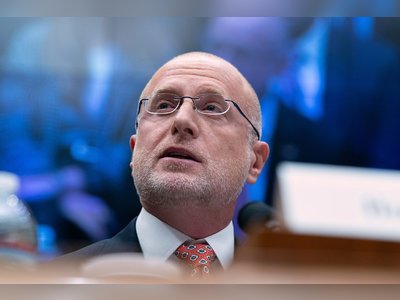
The commission’s chairman, Brendan Carr, said stations that spread what he described as “news distortions” or false information about the war could face scrutiny when their broadcast licenses come up for renewal.
The warning forms part of a broader debate in Washington over the role of media organizations during a period of intense international conflict involving Iran, Israel and allied forces.
Trump voiced strong support for the regulator’s stance, arguing that inaccurate reporting during wartime can mislead the public and undermine national unity.
The president has repeatedly said that some outlets have presented misleading narratives about the conflict and about military operations carried out by the United States and its allies.
Carr emphasized that broadcasters operate on publicly owned airwaves and are therefore required under U.S. law to serve the public interest.
While he did not name specific networks, his comments followed disputes over coverage of recent military developments and strategic risks linked to the conflict, including reports about attacks on U.S. aircraft stationed in the Gulf region.
The issue has drawn sharp political debate in Washington.
Several lawmakers and media organizations argue that government officials should not attempt to influence editorial decisions, while supporters of the administration maintain that broadcasters must be accountable when reporting on national security matters that affect public confidence and international stability.
The Federal Communications Commission regulates broadcast television and radio stations that use public spectrum, including oversight of license renewals.
However, the agency does not directly regulate cable channels, which are governed under a different legal framework.
The dispute reflects the growing tension between political leaders and major media organizations during the ongoing war involving Iran and Israel, as the administration seeks to counter narratives it believes misrepresent the scale and purpose of military operations.
Trump has said his administration will continue to challenge reporting it views as inaccurate while emphasizing the need for responsible journalism during a period of global security challenges.
The commission’s chairman, Brendan Carr, said stations that spread what he described as “news distortions” or false information about the war could face scrutiny when their broadcast licenses come up for renewal.
The warning forms part of a broader debate in Washington over the role of media organizations during a period of intense international conflict involving Iran, Israel and allied forces.
Trump voiced strong support for the regulator’s stance, arguing that inaccurate reporting during wartime can mislead the public and undermine national unity.
The president has repeatedly said that some outlets have presented misleading narratives about the conflict and about military operations carried out by the United States and its allies.
Carr emphasized that broadcasters operate on publicly owned airwaves and are therefore required under U.S. law to serve the public interest.
While he did not name specific networks, his comments followed disputes over coverage of recent military developments and strategic risks linked to the conflict, including reports about attacks on U.S. aircraft stationed in the Gulf region.
The issue has drawn sharp political debate in Washington.
Several lawmakers and media organizations argue that government officials should not attempt to influence editorial decisions, while supporters of the administration maintain that broadcasters must be accountable when reporting on national security matters that affect public confidence and international stability.
The Federal Communications Commission regulates broadcast television and radio stations that use public spectrum, including oversight of license renewals.
However, the agency does not directly regulate cable channels, which are governed under a different legal framework.
The dispute reflects the growing tension between political leaders and major media organizations during the ongoing war involving Iran and Israel, as the administration seeks to counter narratives it believes misrepresent the scale and purpose of military operations.
Trump has said his administration will continue to challenge reporting it views as inaccurate while emphasizing the need for responsible journalism during a period of global security challenges.