Arab Press

بالشعب و للشعب
Thursday, Mar 12, 2026

COP26: Boris Johnson says 'no excuses' for not tackling climate change

COP26: Boris Johnson says 'no excuses' for not tackling climate change

Boris Johnson has warned world leaders there are "no compelling excuses" for failing to tackle climate change.

Speaking at the close of the G20 summit in Rome, he said some progress was made in the past few days - but there was still a "huge way" to go.

World leaders were meeting in Rome to discuss what can be done to keep global warming in check, ahead of the COP26 climate summit in Glasgow.

Mr Johnson added immediate action was needed to halve emissions by 2030.

In Rome, the leaders of the 19 countries and the European Union, which form the G20 group of major economies, agreed to pursue efforts to limit global warming with "meaningful and effective actions".

The prime minister said: "There are no compelling excuses for our procrastination.

"Not only have we acknowledged the problem, we have already seen first hand the devastation that climate change causes - heatwaves and droughts to wildfires and hurricanes."

Referring to a treaty on climate change that came from a previous COP summit in 2015, he said: "If we don't act now, the Paris Agreement will be looked at in the future, not as the moment that humanity opened its eyes to the problem but the moment we flinched and turned away."


The Prime Minister is known for a style that is rarely a sentence or two away from the jocular.

Puns, jokes, bonhomie.

There was little of that in Boris Johnson's news conference as the G20 Summit closed in Rome.

In his tone and his language, there was a seriousness of purpose; even, a dash of gloominess.

On climate, the G20 had merely been "reasonable," he said, progress had merely "inched forward".

He acknowledged that the communique, the agreement published at the end of the summit, was vague in its promises because of disagreement among the world's biggest economies.

It promises members will reach net zero carbon emissions "at or around mid-century" - an acceptance that some haven't committed to 2050, but instead to 2060 - or have made no commitment at all.

And so on to Glasgow and what the prime minister says will be a "very, very difficult" few days.

A report by the World Meteorological Organisation, released alongside the start of COP26, said extreme weather events - including powerful heatwaves and devastating floods - were the new normal.

The two-week summit, which began on Sunday and runs until 12 November, will see delegates from about 200 countries discuss how to cut emissions by 2030.

It was originally scheduled for 2020 but was postponed because of the Covid-19 pandemic.

COP26 climate summit - The basics


*  Climate change is one of the world's most pressing problems. Governments must promise more ambitious cuts in warming gases if we are to prevent greater global temperature rises.

*  The summit in Glasgow is where change could happen. You need to watch for the promises made by the world's biggest polluters, like the US and China, and whether poorer countries are getting the support they need.

*  All our lives will change. Decisions made here could impact our jobs, how we heat our homes, what we eat and how we travel.

Mr Johnson acknowledged the G20 had "made some progress" but said there was still "a huge way still to go".

Asked what he thought the chances were of success at COP26, the prime minister said it was "about six out of 10, it's nip and tuck, it's touch and go".

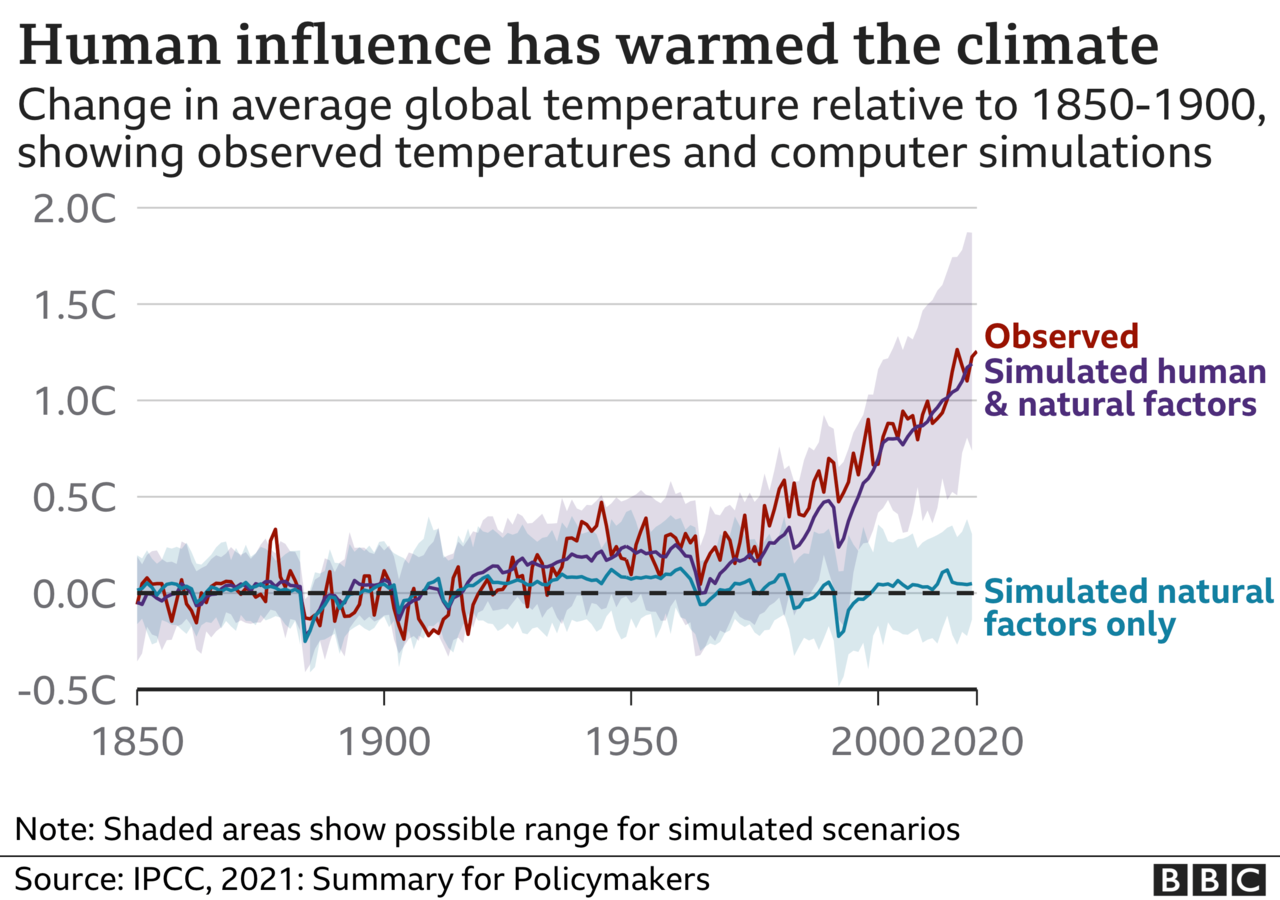
He added the target of keeping the rise in global temperatures under 1.5C was "very much in the balance".

Scientists say that keeping global warming below 1.5C - a target world leaders agreed to work towards in 2015 - will avoid the worst climate impacts.

"Currently, let's be in no doubt, we are not going to hit it and we have to be honest with ourselves," Mr Johnson said. "So we've got to keep that hope alive."

The COP26 global climate summit in Glasgow in November is seen as crucial if climate change is to be brought under control. Almost 200 countries are being asked for their plans to cut emissions, and it could lead to major changes to our everyday lives.


 Watch Boris Johnson warn "if Glasgow fails, then the whole thing fails"


Newsletter

Related Articles

Arab Press
0:00
0:00
Close
Iran warns of $200 oil as forces target merchant ships in Gulf
Japan to Release 45 Days of Oil Reserves Amid Iran Conflict
Three Commercial Vessels Attacked Near Strait of Hormuz, Thai-Flagged Ship Damaged and Crew Evacuated
Saudi Red Sea Oil Exports Set for Record in March as Kingdom Reroutes Crude Amid Hormuz Crisis
Saudi Arabia Seeks Belgian Military Support After Iranian Missile Attacks
Saudi Arabia Welcomes US Decision to Designate Sudan’s Muslim Brotherhood as Terrorist Organisation
Saudi Aramco Plans Dual Gulf and Red Sea Export Routes as Iran Crisis Disrupts Oil Shipments
Saudi Cabinet Condemns Iranian Attacks and Reaffirms Kingdom’s Right to Defend Its Sovereignty
Ukraine Deploys Counter-Drone Teams to Gulf States as Iranian Drone Threat Expands
Bahrain Grand Prix Faces Uncertainty as Saudi Arabia Works to Keep Formula One Race on Track
Saudi Arabia Faces New Strategic Dilemma in Yemen as Regional War Reshapes Calculations
OPEC Confirms Saudi-Led Oil Output Increase as Iran War Disrupts Global Energy Markets
Pakistan Pledges Rapid Support for Saudi Arabia Amid Escalating Middle East Tensions
Global Energy Agency Announces Record Release of 400 Million Barrels to Stabilize Oil Markets Amid Hormuz Disruption
Aramco Warns Global Oil Market Faces ‘Catastrophic’ Shock if Strait of Hormuz Remains Closed
Iran Launches Drone and Missile Attacks Across Gulf Targets Including Saudi Arabia, Kuwait and Bahrain
Saudi Arabia Elevates Fahad Al-Saif as Vision 2030 Enters Crucial Implementation Phase
Saudi Aramco Expands Routes to Move Oil Without Reliance on the Strait of Hormuz
Saudi Arabia and Pakistan Reaffirm Mutual Defense Cooperation Following Iran Strike
Saudi Arabia Plans Major Ukrainian Arms Deal to Counter Iranian Drone Threat
Pentagon Signals Intensification of U.S. Air Campaign as Iran Conflict Escalates
U.S. Senator Lindsey Graham Raises Prospect of Mutual Defense Pact With Saudi Arabia Amid Iran Conflict
Why Saudi Arabia Is Unlikely to Have Wanted U.S. Airstrikes on Iran
Saudi Arabia’s Red Sea Oil Exports Set to Reach Record High as Gulf Routes Face Disruption
Saudi Arabia Pushes East–West Oil Pipeline Toward Full Capacity as Hormuz Crisis Disrupts Global Energy Flows
Oil Prices Retreat From Peak as G7 Weighs Release of Strategic Reserves
Pentagon Identifies U.S. Soldier Who Died After Iranian Strike on Saudi Air Base
Why Saudi Arabia’s $50 Billion ‘The Line’ Megacity Slowed — and How Artificial Intelligence Is Reshaping the Plan
United States Withdraws Diplomatic Staff from Saudi Arabia and Southeast Turkey as Regional Conflict Escalates
Fanatics Moves Tom Brady Flag Football Showcase from Saudi Arabia to Los Angeles Amid Regional War
Saudi Arabia Seeks Strategic Support from Pakistan After Iranian Missile and Drone Attacks
Saudi Arabia Begins Oil Output Cuts as Hormuz Disruption Forces Storage Limits
Saudi Arabia Travel Advisory Tightened as Middle East War Triggers Regional Security Alerts
Saudi Arabia Warns Iran It Will Be ‘Biggest Loser’ as Drone Strikes Spread Across Gulf States
Lindsey Graham Urges Saudi Arabia to Join US Effort Against Iran as War Expands
Saudi Crown Prince Holds Strategic Calls With Spanish and Ukrainian Leaders Amid Regional Tensions
Kuwait’s Jazeera Airways Shifts Operations to Saudi Arabia Amid Regional Airspace Disruptions
Saudi Arabian Grand Prix: Why Jeddah’s Night Race Has Become One of Formula One’s Most Distinctive Events
F1 Leadership Addresses Bahrain and Saudi Arabia Races as Middle East Conflict Raises Safety Concerns
Zelenskyy Offers Saudi Crown Prince Assistance to Counter Iranian Drone Threat
Seventh U.S. Service Member Dies from Injuries After Iranian Strike in Saudi Arabia
Civilian Infrastructure Increasingly Hit as Iran Conflict Expands and Saudi Arabia Reports First Fatalities
Saudi Arabia Warns Iran to Halt Attacks and Signals Potential Retaliation
US Embassy in Riyadh Issues Security Alert Urging Americans to Shelter in Place Amid Regional Attacks
Projectile Strike on Saudi Residential Building Kills Two as Regional Conflict Expands
Saudi Arabia Warns Iran While Expanding Diplomatic Efforts to Contain Widening Middle East War
Iran’s President Rejects U.S. Surrender Demand as Drone and Missile Strikes Hit Gulf States
Saudi Arabia Intercepts Drone Swarm Targeting Strategic Shaybah Oil Field
Pakistan Faces Growing Pressure to Balance Ties With Iran and Saudi Arabia as Regional War Intensifies
Middle East Conflict Tests Mohammed bin Salman’s Vision to Transform Saudi Arabia Into a Global Hub
×