

Jeddah security summit concludes amid US, regional optimism
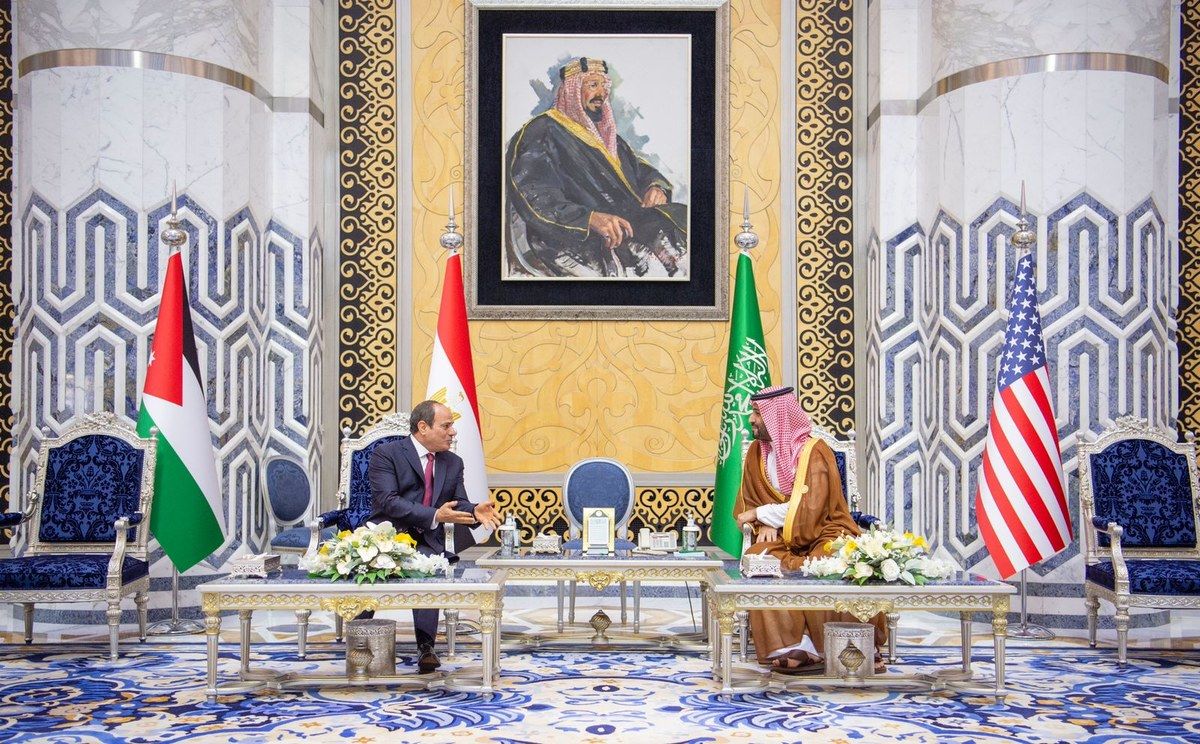
During the 30-minute bilateral meeting, leaders highlighted the joint efforts to strengthen partnerships between the GCC countries, as well as Egypt, Jordan, Iraq and the US.
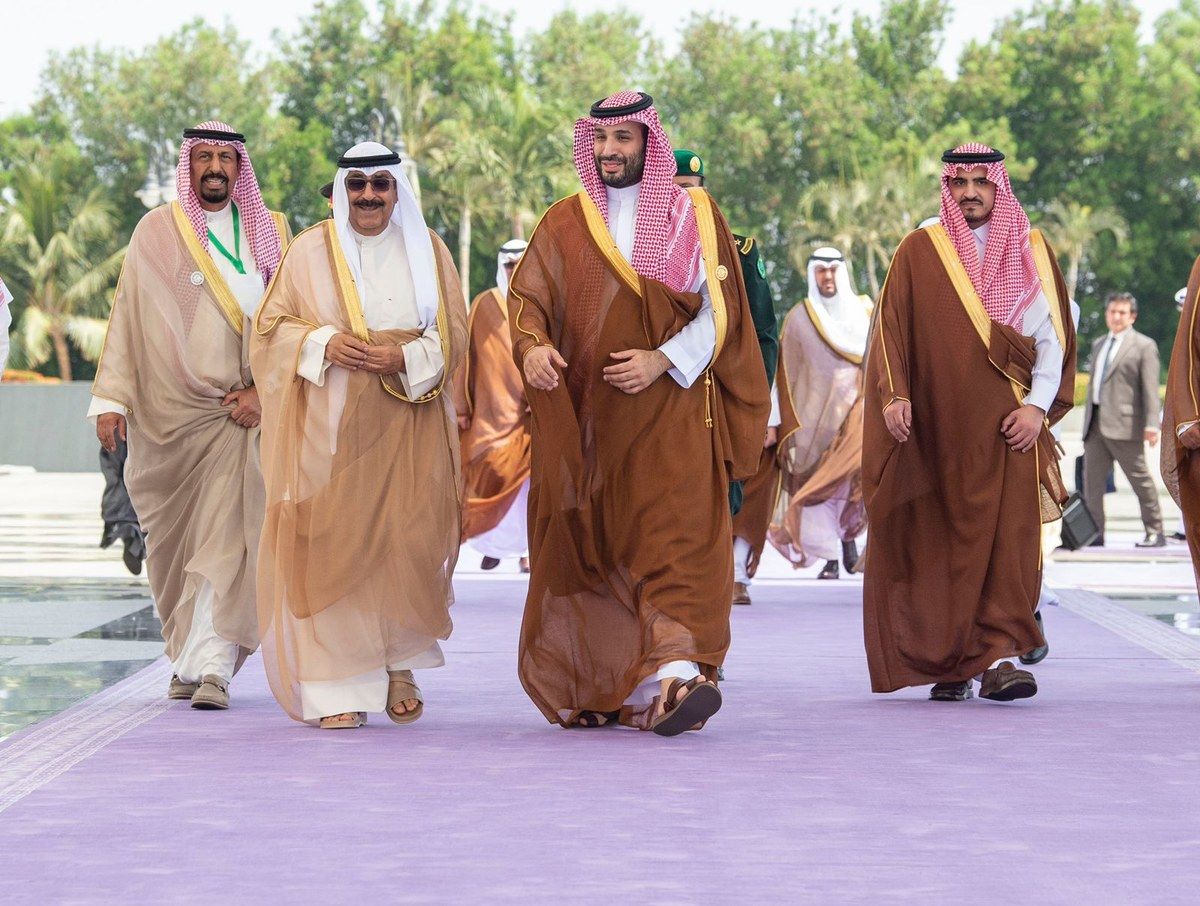
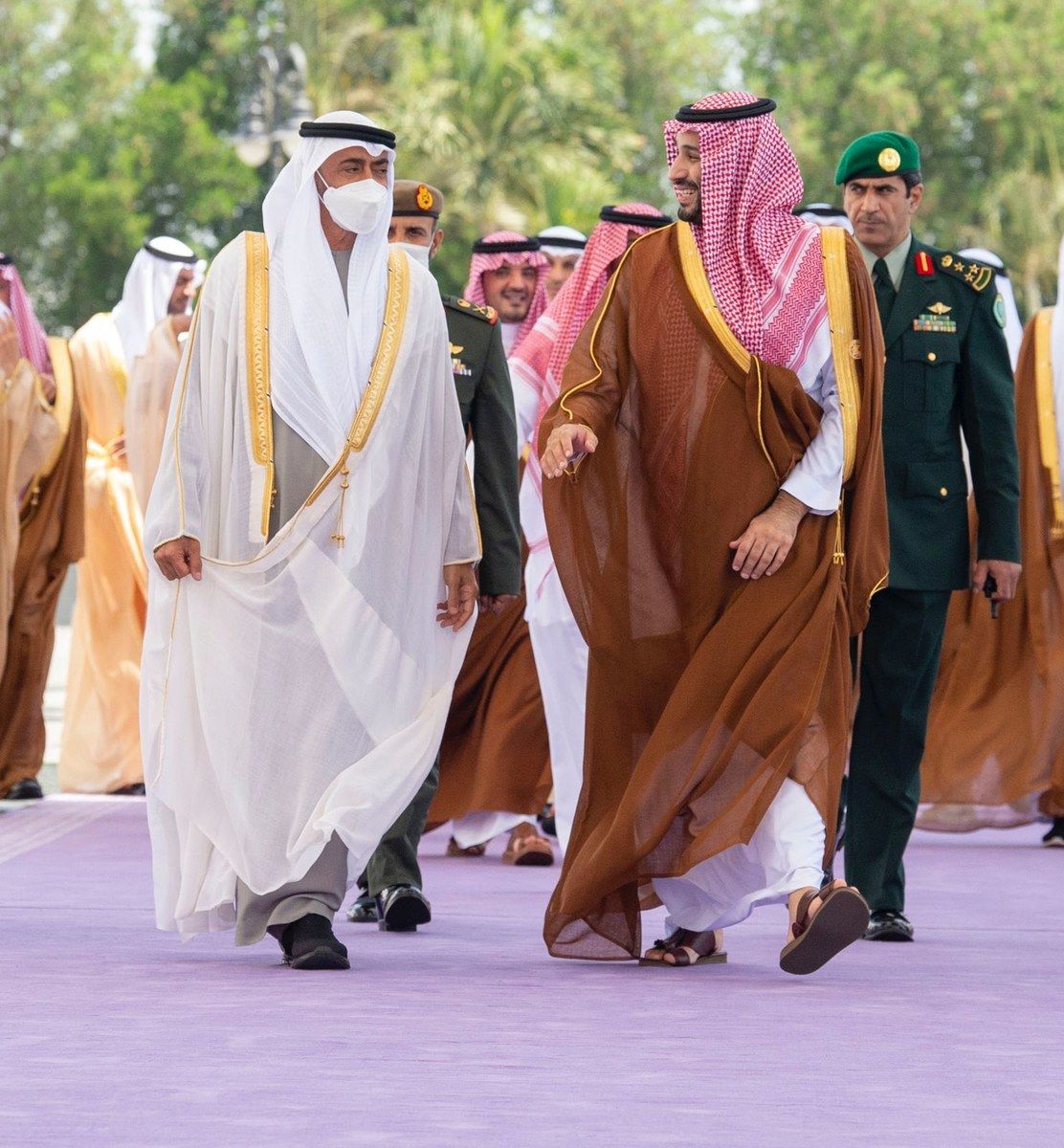
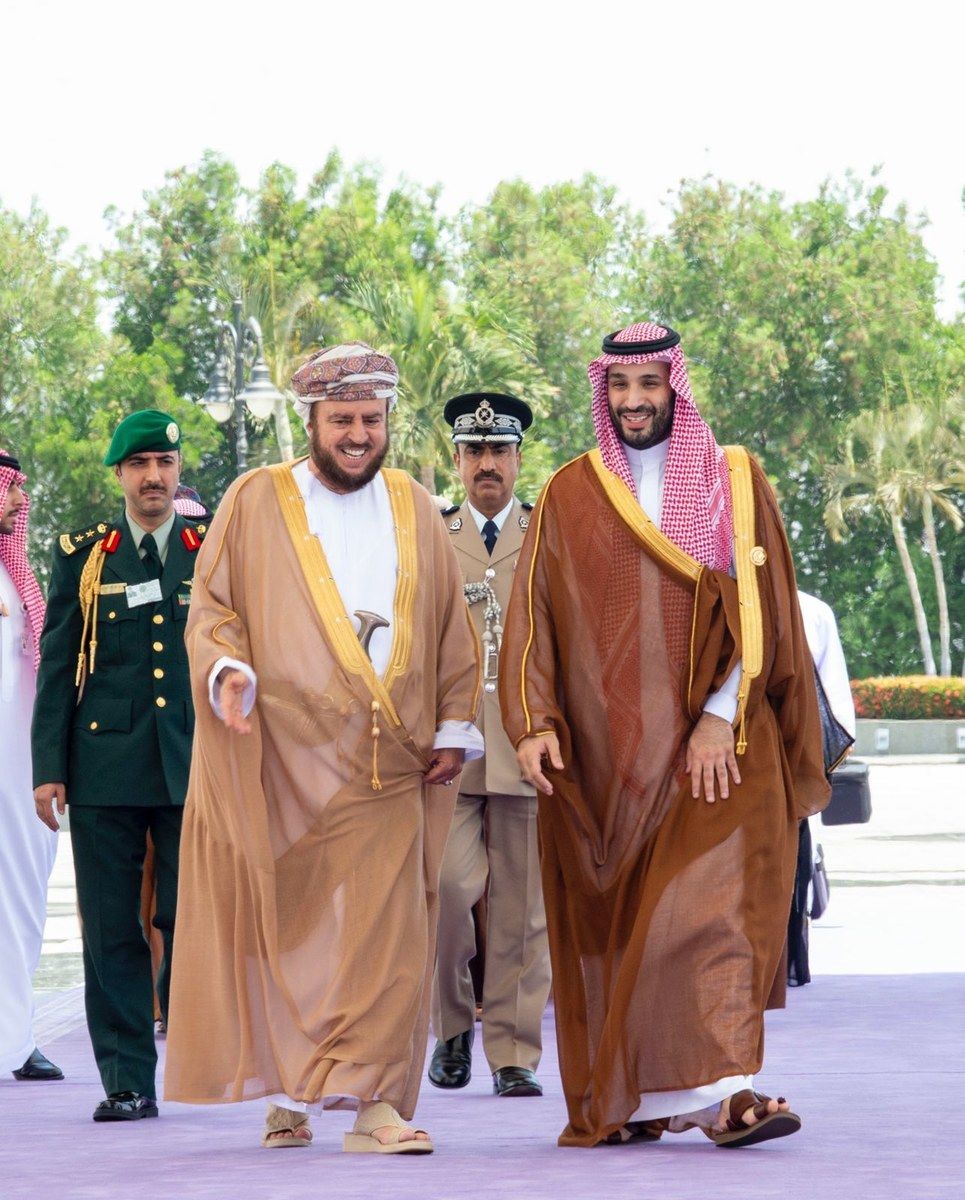
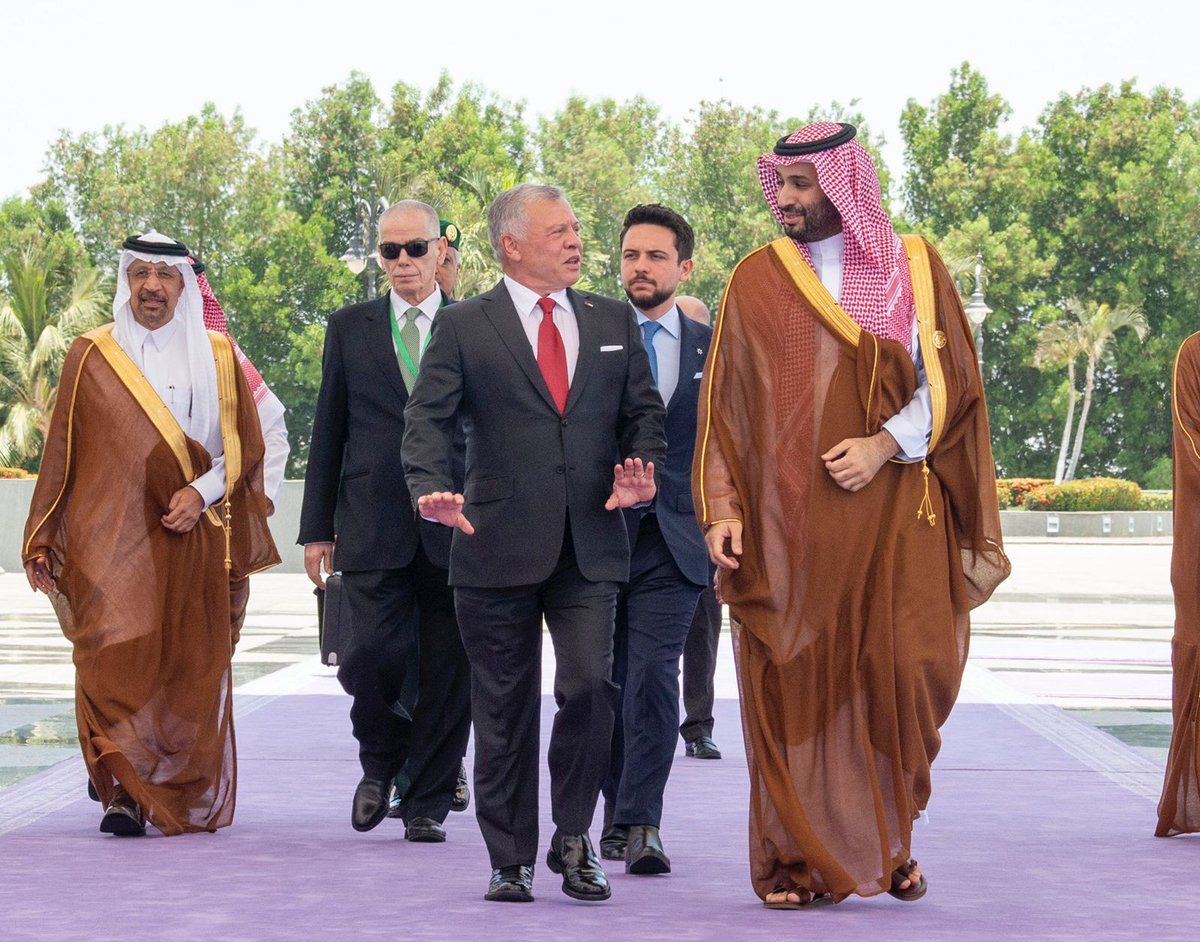
Saudi Crown Prince Mohammed bin Salman inaugurated the summit by welcoming the leaders present: US President Joe Biden, King Abdullah II bin Al-Hussein of Jordan, Egyptian President Abdel Fattah El-Sisi, Iraqi Prime Minister Mustafa Al-Kadhimi, King of Bahrain Hamad Al-Khalifa, Emir of Qatar Sheikh Tamim bin Hamad Al-Thani, Kuwait Crown Prince Sheikh Mishal Al-Ahmad Al-Jaber Al-Sabah, Oman Deputy Prime Minister for International Relations and Cooperation Asa’ad bin Tariq bin Taimur Al-Said and President of the UAE Mohammed bin Zayed.
The crown prince said: “The Kingdom has announced an increase in its production capacity level to 13 million barrels per day, after which the Kingdom will not have any additional capacity to increase production.”
He also addressed climate change, calling for a balanced mindset through a gradual transition towards sustainable energy sources.
“The environmental challenges that the world is currently facing, especially climate change, and the international community’s determination to maintain the Earth’s temperature in accordance with the levels set by the Paris Agreement, require dealing with them realistically and responsibly,” he said.
This would achieve sustainable development, through a “balanced approach” and a “gradual and responsible transition towards more sustainable energy sources, which takes into account the circumstances and priorities of each country," he added.
The crown prince said that to reach net neutrality on carbon emissions, Saudi Arabia is following the circular carbon economy approach, in line with its development plans. The Crown Prince said that it is enabling its economic diversification, without affecting growth and supply chains, to address emissions through the Green Saudi initiatives and the Green Middle East initiative.
“We hope that the summit will establish a new era of joint cooperation to deepen the strategic partnership between our countries and the United States of America to serve our common interests and enhance security and development in this vital region for the whole world,” he said.
He also called on Iran to be cooperative and not interfere in regional affairs, during his opening remarks at the summit.
US President Joe Biden followed the Crown Prince's speech by affirming that the US would remain an active and engaged partner in the Middle East.
Biden, the eighth US president to visit Saudi Arabia, also expressed optimism.
“For the first time since 9/11, an American president is visiting this region without American troops being engaged in combat and a combat mission in the region,” he said.
“To rebuild trust and deliver real results, and we will operate in the context of the Middle East as it is today, a region more united than it has been in years, the GCC is the prime example of that. The former rivals re-establish diplomatic and economic ties, new memberships are being forged, and increasingly the world is seeing the Middle East through the lens of opening an opportunity.
“Let me state clearly the United States is going to remain an active engaged partner in the Middle East. As the world grows more competitive and the challenges we face more complex, it is becoming clear to me how closely interwoven America’s interests are with the success of the Middle East,” he said.
The crown prince said that the major challenges that the world had recently faced — due to the COVID-19 pandemic and the geopolitical situation — had required a more concerted international effort to recover the global economy and achieve food and health security.
“The environmental challenges that the world is currently facing, especially climate change, require dealing with them realistically and responsibly to achieve sustainable development by adopting a balanced approach through a gradual and responsible transition toward more sustainable energy sources,” he said.
He also said that the growth of the global economy was closely linked to making use of all available energy sources, including hydrocarbons, while controlling their emissions through clean technologies.
“The Kingdom has adopted a balanced approach to achieving zero carbon neutrality, by following the circular carbon economy approach in line with its development plans and enabling its economic diversification,” he said.
During the summit, UAE President Sheikh Mohammed bin Zayed said that the Emirates was keen on bolstering cooperation between countries in the region and coordinating with partners to achieve peace and further regional and international stability, as well as tackle global challenges.
“We are all aware of the size of challenges that the region and the world are facing, and from that arises a need to align and enhance global efforts to achieve our peoples’ aspirations of further progress and prosperity,” Sheikh Mohammed said
He added that the path toward achieving a renaissance in the region and restoring its active role on the global arena is clear, but achieving these two objectives requires further solidarity and cooperation and enhancing education opportunities, while maintaining the wellbeing of humans as the main priority.
He said he was confident that the region could play a key role in dealing with global issues that affect all of humanity, including climate change and food and energy security, adding that the partnership between the US and countries in the region is a strong foundation for fruitful cooperation, especially in issues relating to regional and global development.
King Hamad of Bahrain said with its important international strategic position, for years the Middle East has suffered, and continues to suffer, from difficult political, security and economic conditions, and serious challenges, which require us to think carefully to find the means to overcome ongoing crises and conflicts.
“At the forefront of these is the Palestinian issue, which must be resolved through a just and lasting settlement and the establishment of an independent Palestinian state on the basis of a two-state solution,” he said.
“In addition, there is the need to reach a political settlement to the Yemeni crisis and to continue humanitarian and developmental support for the Yemeni people,” he added.
King Hamad also said direct interference in the internal affairs of countries remains among the most serious challenges that exist, as it undermines principles and rights enshrined in international law, and called for continuing joint efforts to make the Middle East a region free of weapons of mass destruction, and to combat terrorism and extremist ideology.
He stressed the importance of supporting efforts aimed at stabilizing global energy prices, including increasing investments to expand exploration and refining, and introducing new technologies that contribute to supporting global economic growth and addressing price inflation.
“We hope that this summit will yield positive results and constructive outcomes that will enhance joint cooperation and consolidate relations between our countries, enabling us to confront political, security and economic challenges, establish security and stability, and lay the foundations for a strong and longstanding relationship that meets the requirements of the present and the future,” King Hamad said.
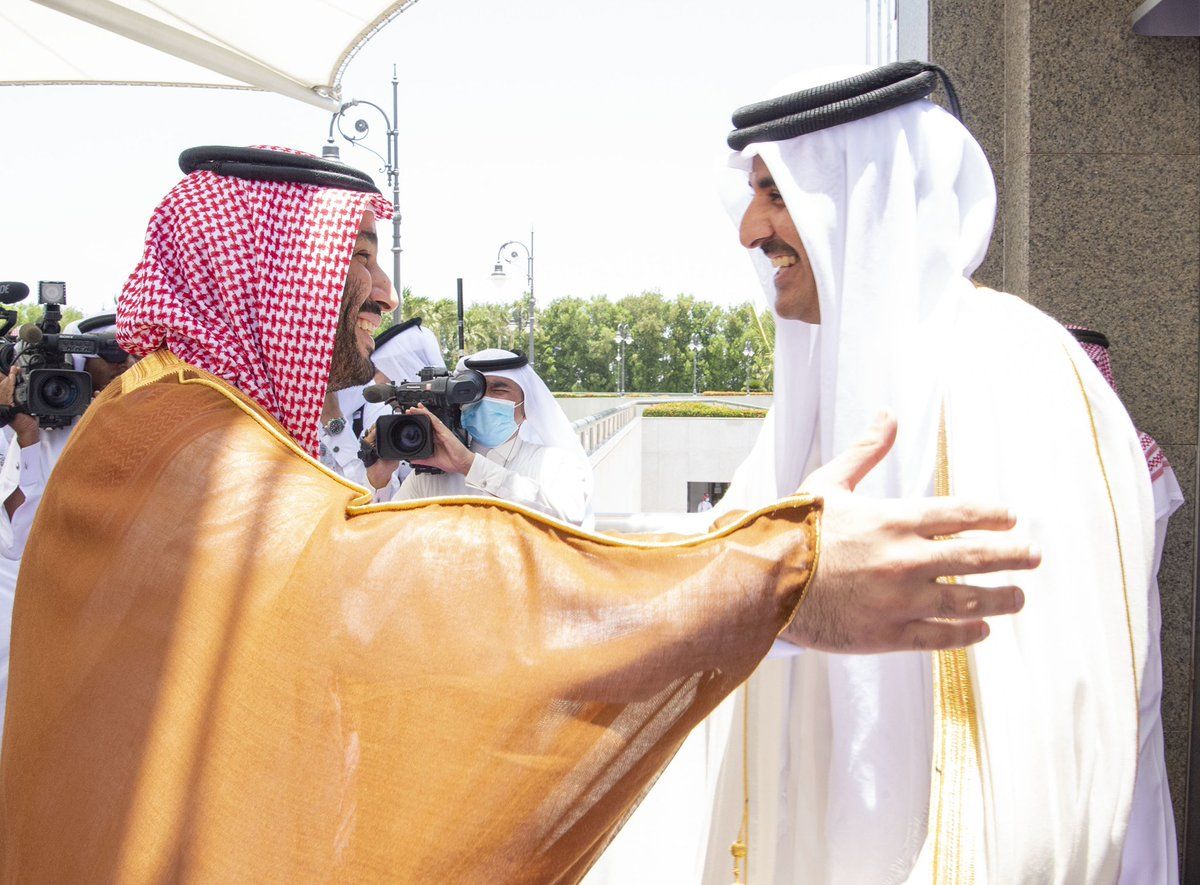
Qatar’s Emir Sheikh Tamim bin Hamad said this important meeting takes place against the backdrop of challenges facing the world and putting at stake the capabilities of the international community to enhance cooperation among states, to find just and realistic solutions to global issues that cherish the values and norms residing in the conscience of humanity.
“We are all aware that crises and wars in any region affect the entire world. The war in Ukraine has direct and indirect victims. This war has contributed to exacerbating an economic crisis that may lead to humanitarian disasters, especially in the case of food and crude oil importing developing countries,” he said.
On Syria, Sheikh Tamim said “it is not plausible to accept the fait accompli, which means the continuation of the terrible injustice to which the Syrian people are subjected. We must all act to reach a political solution in accordance with the Geneva 1 communique resolutions in order to achieve the aspirations of the Syrian people.”
Kuwait’s Crown Prince Sheikh Meshaal Al-Ahmed Al-Jaber Al-Sabah called on Iran to cooperate with the International Atomic Energy Agency in a way that contributes to making the Gulf region and the Middle East free of weapons of mass destruction, as well as the importance of continuing joint work toward confronting terrorist attacks against civilian areas and vital facilities in Saudi Arabia and the UAE and reducing the threat to the security of navigation and shipping lanes.
Sheikh Meshaal praised the efforts of the Yemeni government, led by the Presidential Leadership Council and its supporting entities, affirming full support for their efforts toward achieving security and stability in Yemen, expressing his hope that efforts will be combined to address the tragic situations facing the region, especially the developments in Iraq, Syria, Libya and Lebanon.
Jordan King Abdullah II stressed there can be no security, stability, or prosperity in the region without a solution guaranteeing the establishment of an independent Palestinian state, with East Jerusalem as its capital, living side-by-side with Israel in peace and security.
He said Jordan was keen on developing partnerships with the GCC, Egypt and Iraq to further opportunities for collective action.
“In Jordan, we continue to host over one million Syrian refugees, providing them with various humanitarian, health, and education services, while also countering the renewed security threats on our borders, by thwarting attempts to smuggle drugs and weapons, which now pose a major threat to the entire region.”
He added: “We shoulder these responsibilities on behalf of the international community, which must carry on with its role in countering the impact of the refugee crisis on refugees and host communities.”
Egyptian President Abdel Fattah El-Sisi said President El-Sisi said the worsening global and regional crises have continued and intensified, such as the coronavirus pandemic, climate change, food security, and the spread of international and regional armed conflicts.
He said the Arab region suffers from serious political, development and security challenges, including risks of the spread of terrorism.
El-Sisi presented a comprehensive approach that includes a five-axes action plan to move on priority issues during the next stage to deal with these challenges.
On water security, the Egyptian president stressed the importance of renewing commitment to the rules of international law relating to international rivers, to allow all people to benefit from these natural resources fairly, and the need to preserve the water security requirements of the regional countries and prevent countries from violating the rights of downstream countries.
Regarding the upcoming COP 27 UN Climate Change Summit in November, El-Sisi said: “We look forward to welcoming you in Sharm El-Sheikh...to reiterate our firm commitment to efforts to confront climate change, and to turn this challenge into a real opportunity for development and the transition to more green economic patterns that are more sustainable.”
Iraqi Prime Minister Mustafa Al-Kadhimi reiterated that the Middle East has been significantly affected by the consequences of climate change, a water crisis, and the dangers of desertification, in addition to health challenges following the emergence and spread of COVID-19, which calls for a collective and joint efforts to confront them.
Al-Kadhimi stressed that the repercussions of the crisis in Ukraine require intensifying regional and international efforts to find quick solutions and unifying efforts to ensure food security and secure energy supplies.
He suggested establishing a Middle East bank for development and integration, in partnership with GCC countries, Egypt and Jordan, to be concerned with sustainable regional development by financing infrastructure projects that would help connect the regional economies, and prioritizes the development of regional electricity networks, oil and gas pipelines, highway networks, ports, and heavy industries with a large regional market.
Prince Mohammed bin Salman concluded: “We are optimistic that the summit will lead to setting up a comprehensive framework for a new stage in which we will send hope to the young men and women of the region with a bright future in which they will be able to realize their hopes and present to the world our noble message and values that we are proud of and will not abandon. And we hope the world respects them.”