Jordan's King Warns Against Assassination Plot on Syrian Leader Al-Sharaa Ahead of Trump Meeting
King Abdullah II alerts US officials to potential destabilizing actions prior to President Trump's engagement with Syria's new leader.
Ahead of a scheduled meeting between U.S. President Donald Trump and Ahmad Al-Sharaa, the newly appointed Syrian leader, King Abdullah II of Jordan alerted U.S. officials about a potential assassination plot targeting Al-Sharaa.
This warning was disclosed by U.S. Senator Jeanne Shaheen during a Senate hearing on May 16, 2025.
Senator Shaheen revealed that King Abdullah expressed deep concern over the circulating allegations regarding the planned assassination, indicating that such an action could lead to a renewed civil war in Syria.
She recounted her previous covert meeting with the Jordanian monarch in Washington, where the gravity of the situation was emphasized.
"King Abdullah made it clear that removing Al-Sharaa by force could plunge Syria into chaos and derail any chance for progress," Shaheen stated.
This Senate session coincided with the nomination hearing of Joel Rayburn for the position of Assistant Secretary of State for Near Eastern Affairs.
Rayburn, who previously served as Trump’s special envoy for Syria, stated he was not aware of any assassination plots and noted that such actions would contradict Trump’s current approach toward Al-Sharaa.
This meeting takes place in the context of President Trump’s recent announcement earlier in the week regarding the lifting of all U.S. sanctions against Syria, which had been in place since 1979. The decision followed Trump’s unexpected engagement with Al-Sharaa in Riyadh, which garnered surprise from Israeli officials and some members of Trump’s administration.
In subsequent remarks aboard Air Force One, Trump characterized Al-Sharaa as “young, charismatic, and tough,” praising his background.
Trump mentioned that he encouraged Al-Sharaa to combat ISIS and expel foreign militias and terrorist organizations from Syrian territory.
Moreover, the President acknowledged the ongoing challenges in Syria but indicated that normalization discussions with Israel were addressed, noting Al-Sharaa’s potential willingness to engage with the Abraham Accords in the future.
While Turkey maintains a strong alliance with Al-Sharaa, his administration is rapidly establishing closer ties with Gulf nations.
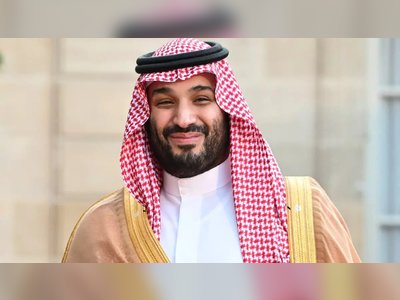
Trump's decision to lift sanctions arose in response to appeals from Saudi Crown Prince Mohammed bin Salman and Turkish President Recep Tayyip Erdoğan.
Meanwhile, Israel continues its military operations within Syria, retaining control over certain southeastern regions, and there have been reported indirect negotiations between Syria and Israel aimed at reducing tensions, reportedly facilitated by the United Arab Emirates.
The combination of King Abdullah’s warnings and Trump’s strategic pivot toward Syria illustrates a notable shift within Middle Eastern diplomacy, marked by intricate opportunities, shifting regional alliances, and ongoing uncertainties about Al-Sharaa’s role in future developments.
This warning was disclosed by U.S. Senator Jeanne Shaheen during a Senate hearing on May 16, 2025.
Senator Shaheen revealed that King Abdullah expressed deep concern over the circulating allegations regarding the planned assassination, indicating that such an action could lead to a renewed civil war in Syria.
She recounted her previous covert meeting with the Jordanian monarch in Washington, where the gravity of the situation was emphasized.
"King Abdullah made it clear that removing Al-Sharaa by force could plunge Syria into chaos and derail any chance for progress," Shaheen stated.
This Senate session coincided with the nomination hearing of Joel Rayburn for the position of Assistant Secretary of State for Near Eastern Affairs.
Rayburn, who previously served as Trump’s special envoy for Syria, stated he was not aware of any assassination plots and noted that such actions would contradict Trump’s current approach toward Al-Sharaa.
This meeting takes place in the context of President Trump’s recent announcement earlier in the week regarding the lifting of all U.S. sanctions against Syria, which had been in place since 1979. The decision followed Trump’s unexpected engagement with Al-Sharaa in Riyadh, which garnered surprise from Israeli officials and some members of Trump’s administration.
In subsequent remarks aboard Air Force One, Trump characterized Al-Sharaa as “young, charismatic, and tough,” praising his background.
Trump mentioned that he encouraged Al-Sharaa to combat ISIS and expel foreign militias and terrorist organizations from Syrian territory.
Moreover, the President acknowledged the ongoing challenges in Syria but indicated that normalization discussions with Israel were addressed, noting Al-Sharaa’s potential willingness to engage with the Abraham Accords in the future.
While Turkey maintains a strong alliance with Al-Sharaa, his administration is rapidly establishing closer ties with Gulf nations.
Trump's decision to lift sanctions arose in response to appeals from Saudi Crown Prince Mohammed bin Salman and Turkish President Recep Tayyip Erdoğan.
Meanwhile, Israel continues its military operations within Syria, retaining control over certain southeastern regions, and there have been reported indirect negotiations between Syria and Israel aimed at reducing tensions, reportedly facilitated by the United Arab Emirates.
The combination of King Abdullah’s warnings and Trump’s strategic pivot toward Syria illustrates a notable shift within Middle Eastern diplomacy, marked by intricate opportunities, shifting regional alliances, and ongoing uncertainties about Al-Sharaa’s role in future developments.