Saudi Arabia Reinforces International Support for Palestinian Cause
The Cabinet discusses regional developments, plans for the annual Hajj, and major national achievements.
The Saudi Cabinet convened on Tuesday to discuss the latest regional and global developments, reaffirming the Kingdom's commitment to maintaining international dialogue in support of the Palestinian cause.
The discussions included calls for an end to the ongoing conflict in the Gaza Strip, the facilitation of humanitarian aid, and the cessation of Israeli violations of international law.
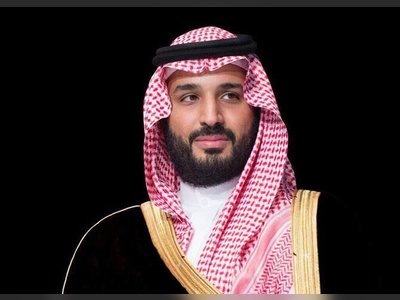
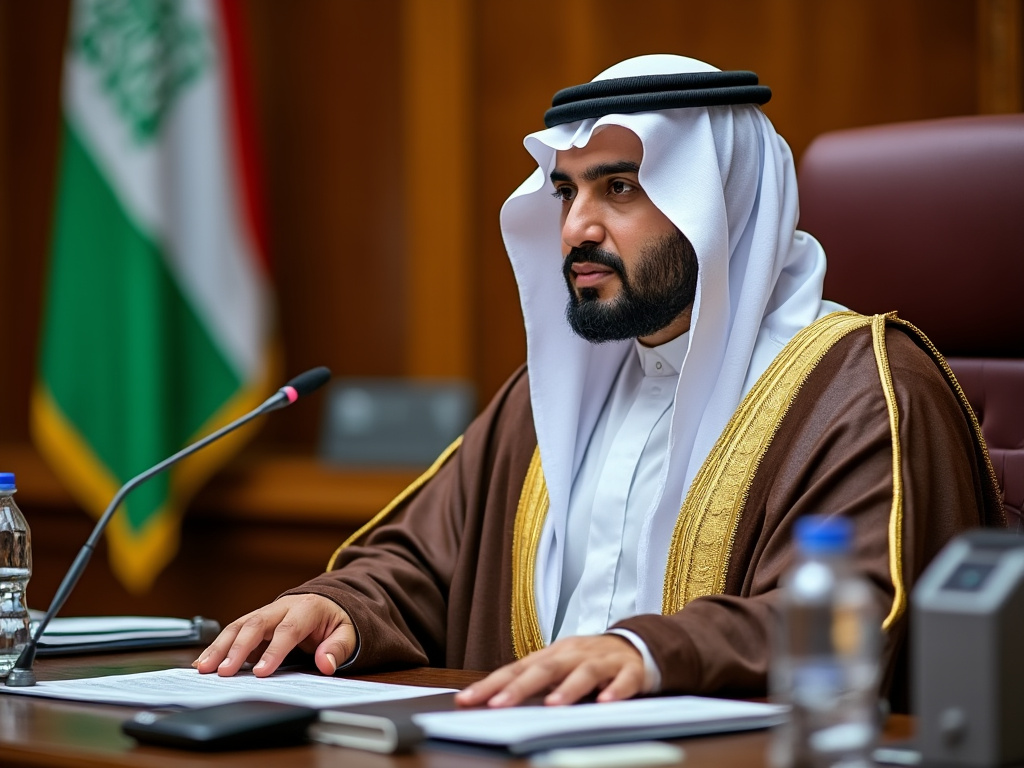
The session, held in Jeddah and presided over by Crown Prince Mohammed bin Salman, also reviewed recent talks and meetings held between Saudi Arabia and member states worldwide aimed at enhancing cooperation and coordination on both bilateral and multilateral levels regarding regional and global issues.
During the meeting, the Cabinet assessed plans for the upcoming Hajj season, emphasizing the importance of providing the highest levels of quality and coordination among relevant agencies.
Efforts are being made to ensure the comfort and safety of the millions of pilgrims arriving from around the globe, facilitated by significant investments in infrastructure and services.
The Cabinet expressed pride in Saudi Arabia's role in serving the two holy mosques and welcoming an increased number of visitors for Hajj and Umrah.
The government emphasized its ongoing commitment to serving the needs of these pilgrims, rooted in its historical duty since its unification by King Abdulaziz.
Furthermore, the Cabinet discussed Saudi Arabia's participation in the Gulf-ASEAN and Gulf-ASEAN-China summits, underscoring support for international initiatives that promote sustainable development and regional stability, contributing to a prosperous future for all nations.
The meeting highlighted the launch of an Islamic military coalition's regional program in Mali, aimed at enhancing cooperation among member countries to combat terrorism and its funding through collaborative efforts and information sharing.
In terms of energy collaboration, the discovery of new oil reserves in the divided zone between Saudi Arabia and Kuwait was acknowledged as a positive development fostering bilateral cooperation in the energy sector and facilitating joint exploration and development efforts.
Domestically, the Cabinet acknowledged the achievements of the health transformation program, which has introduced initiatives designed to enhance healthcare quality and accessibility, improve traffic safety, and advance digital services in line with the objectives outlined in Vision 2030.
Saudi Arabia has also attained notable positions in global rankings, recently being recognized as second among G20 nations in the International Telecommunication Union’s 2024 index for the development of telecommunications and technology regulations.
The Cabinet reiterated its commitment to comprehensive and sustainable development, focusing on economic diversification, maximizing comparative advantages, and fostering local and foreign investments to create job opportunities across various sectors.
In diplomatic matters, the Cabinet approved the establishment of diplomatic relations with the Marshall Islands at the non-resident ambassador level, and authorized the Minister of Foreign Affairs to sign a protocol regarding this partnership, along with an agreement with China to exempt airline crew members from entry visas.
Additionally, the Cabinet approved memoranda of understanding for cultural cooperation with Tunisia, Russia, and Benin, along with agreements with Iraq to enhance competition and combat monopolistic practices, and with Italy for developmental cooperation through the Saudi Development Fund.
Moreover, an agreement was ratified with Kosovo regarding air transport services.
The Cabinet sanctioned the organization of the General Food Security Authority and amended the housing support regulations while also adopting a framework for coordinating the roles of agencies responsible for overseeing non-ionizing radiation.
Annual reports from the Cultural Development Fund and King Abdulaziz University were reviewed, with necessary actions taken in response to the findings.
The discussions included calls for an end to the ongoing conflict in the Gaza Strip, the facilitation of humanitarian aid, and the cessation of Israeli violations of international law.
The session, held in Jeddah and presided over by Crown Prince Mohammed bin Salman, also reviewed recent talks and meetings held between Saudi Arabia and member states worldwide aimed at enhancing cooperation and coordination on both bilateral and multilateral levels regarding regional and global issues.
During the meeting, the Cabinet assessed plans for the upcoming Hajj season, emphasizing the importance of providing the highest levels of quality and coordination among relevant agencies.
Efforts are being made to ensure the comfort and safety of the millions of pilgrims arriving from around the globe, facilitated by significant investments in infrastructure and services.
The Cabinet expressed pride in Saudi Arabia's role in serving the two holy mosques and welcoming an increased number of visitors for Hajj and Umrah.
The government emphasized its ongoing commitment to serving the needs of these pilgrims, rooted in its historical duty since its unification by King Abdulaziz.
Furthermore, the Cabinet discussed Saudi Arabia's participation in the Gulf-ASEAN and Gulf-ASEAN-China summits, underscoring support for international initiatives that promote sustainable development and regional stability, contributing to a prosperous future for all nations.
The meeting highlighted the launch of an Islamic military coalition's regional program in Mali, aimed at enhancing cooperation among member countries to combat terrorism and its funding through collaborative efforts and information sharing.
In terms of energy collaboration, the discovery of new oil reserves in the divided zone between Saudi Arabia and Kuwait was acknowledged as a positive development fostering bilateral cooperation in the energy sector and facilitating joint exploration and development efforts.
Domestically, the Cabinet acknowledged the achievements of the health transformation program, which has introduced initiatives designed to enhance healthcare quality and accessibility, improve traffic safety, and advance digital services in line with the objectives outlined in Vision 2030.
Saudi Arabia has also attained notable positions in global rankings, recently being recognized as second among G20 nations in the International Telecommunication Union’s 2024 index for the development of telecommunications and technology regulations.
The Cabinet reiterated its commitment to comprehensive and sustainable development, focusing on economic diversification, maximizing comparative advantages, and fostering local and foreign investments to create job opportunities across various sectors.
In diplomatic matters, the Cabinet approved the establishment of diplomatic relations with the Marshall Islands at the non-resident ambassador level, and authorized the Minister of Foreign Affairs to sign a protocol regarding this partnership, along with an agreement with China to exempt airline crew members from entry visas.
Additionally, the Cabinet approved memoranda of understanding for cultural cooperation with Tunisia, Russia, and Benin, along with agreements with Iraq to enhance competition and combat monopolistic practices, and with Italy for developmental cooperation through the Saudi Development Fund.
Moreover, an agreement was ratified with Kosovo regarding air transport services.
The Cabinet sanctioned the organization of the General Food Security Authority and amended the housing support regulations while also adopting a framework for coordinating the roles of agencies responsible for overseeing non-ionizing radiation.
Annual reports from the Cultural Development Fund and King Abdulaziz University were reviewed, with necessary actions taken in response to the findings.