Arab Press

بالشعب و للشعب
Monday, Jan 26, 2026

Should travel be reserved for the rich? These countries think so

Should travel be reserved for the rich? These countries think so

As travel restrictions ease, some countries are being more selective about who they welcome post-pandemic.

Last week, New Zealand’s tourism minister reiterated his desire to attract “high quality tourists” rather than those who campervan around the country “on $10 [€7] a day by eating dried noodles.”

Throughout the COVID-19 pandemic, tourism boards around the world have been experimenting with selective entry policies. Now, they’re implementing recovery plans - many of which echo this ‘quality over quantity’ mentality.

Reducing overtourism could have a positive impact on the environment and local communities in popular destinations. But does this mean travel will become reserved for the super rich?

With rising fuel costs signalling the end of the €10 flight era, according to a recent BBC Radio 4 interview with Ryanair chief exec Michael O’Leary, the days of budget travel could be behind us.

So here are the countries targeting wealthy visitors as tourism bounces back.


The Cayman Islands welcomes high net worth remote workers


Long a haven for luxury travellers, the Caribbean Cayman Islands sought to secure their high-end image - even during the pandemic.

Launched in 2020, the Global Citizen Concierge Program (GCCP) gives remote workers the chance to make this British Overseas Territory their home. Those earning upwards of $100,000 (€98,666) per year can apply for a two-year visa for an annual fee of $1,469 (€1,449).

Under the scheme, the country’s official tourism website invites “professionals and digital nomads alike [to] embrace a remote lifestyle and immerse themselves fully in the bespoke luxury, adventure, culture and beauty of the Cayman Islands.”


Fiji targets a growth in visitor spend


During the pandemic, Fiji positioned itself as a retreat for billionaires.

Back in June 2020, the country launched ‘Blue Lanes’ for “yachters looking to escape the pandemic in paradise.” In a tweet, Fijian PM Frank Bainimarama invited billionaires with private jets to rent their own islands.


Pre-COVID, the tourism industry made up 38 per cent of Fiji’s economy. To kickstart a revival, the country is placing continued focus on luxury travel.

Tourism Fiji’s Corporate Plan for 2022 to 2024 pledges to “attract and expand high value customer segments” and encourage a “growth in visitor spend” to promote sustainable tourism.


Indonesia dances around a Bali backpacker ban


In September 2021, Indonesia joined the list of countries seeking ‘quality’ visitors post-pandemic.

“We’ll aim for quality tourism in Bali, so we won’t allow backpackers to enter once the reopening plan for international travellers is officially put in place in the near future,” said Indonesia’s coordinating minister of maritime and investment affairs, Luhut Binsar Pandjaitan, according to a report in the Bali Sun.
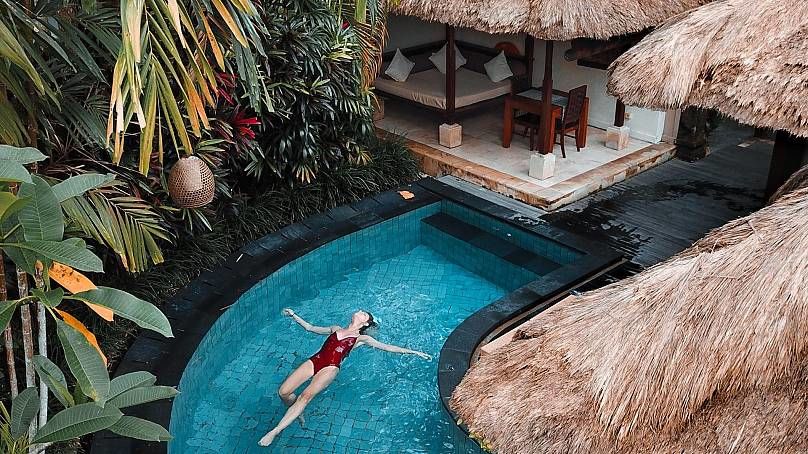
Bali is shunning backpackers in favour of wealthy tourists.


He later clarified that he was referring to filtering out visitors who might violate the country’s health or immigration rules.

But the 2022 arrival of luxury hospitality brands like Banyan Tree and Jumeirah in Bali suggest the island is tipping further away from its backpacker past.


Montserrat lures lucrative digital nomads


Fancy making the mountainous Caribbean island of Montserrat your home for a year? If your annual income is above $70,000 (€69,000), now you can.

Launched in February 2021, the Remote Work Stamp invites high-earning digital nomads to “work remotely and safely from an exotic location.”

The application fee is $500 (€493).


New Zealand snubs ‘$10-a-day’ campervanners


New Zealand’s post-pandemic tourism recovery scheme has its sights set on high-net-worth individuals.

“These are not the guys that jump in a camper van and…get around our country on $10 [€7] a day by eating dried noodles,” said Tourism Minister Stuart Nash speaking at the Tourism Export Council of New Zealand annual conference in August 2022.
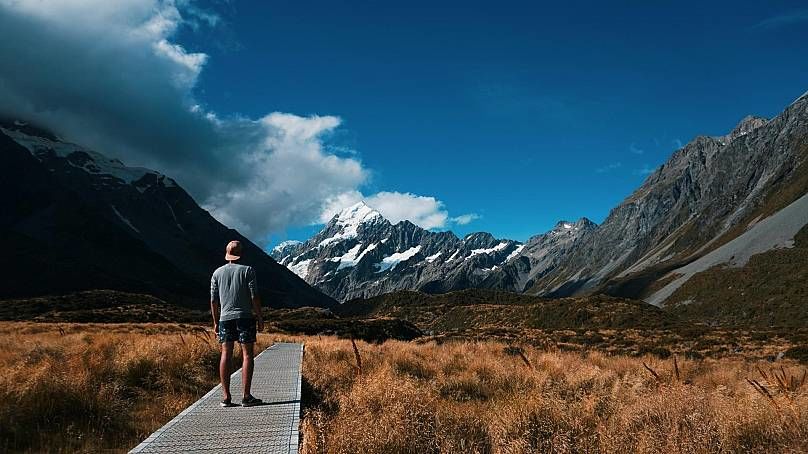
New Zealand's tourism minister has slammed $10 tourists living off ‘dry noodles.’


Instead, he wants to attract visitors who “spend a little more money, stay a little bit longer.”

New Zealand finally reopened its borders in August 2022, with plans to better manage the tourism industry by avoiding overcrowding and improving sustainability.


Thailand tries to shake its backpacker legacy


Thailand’s tourism industry is steadily recovering after months of COVID restrictions, which tested visitors’ willingness to fork out for expensive quarantine schemes.

Keen to capitalise on this and shake the country’s long-standing image as a backpacker haven, government ministers have asked hotels and business to refrain from luring tourists with big discounts.

"We cannot let people come to Thailand and say because it's cheap," said Deputy Prime Minister Anutin Charnvirakul at a tourism event in July 2022.
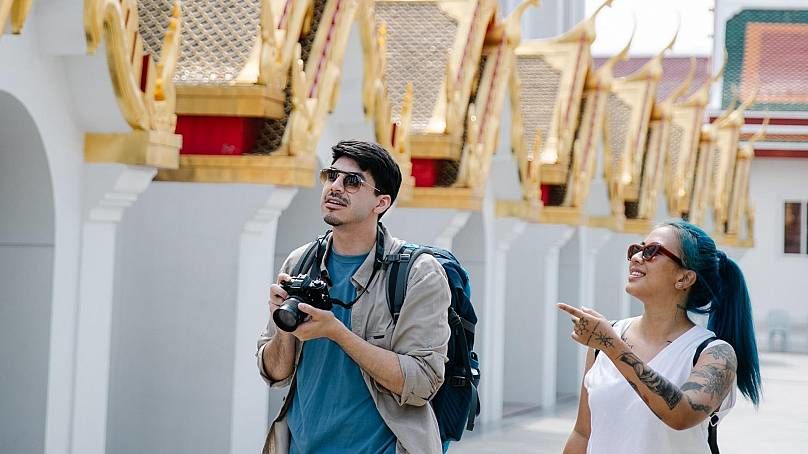
Thailand wants to position itself as a premium travel destination.


Instead, he suggested the country should focus on raising its value as a premium travel destination, reports Reuters.

Thailand also hopes to lure high-earning digital nomads with its new 10-year ‘work from Thailand’ visa. Only open to those earning upwards of $80,000 (€78,965) per year, the visa solidifies the country’s push for wealthy visitors.

Newsletter

Related Articles

Arab Press
0:00
0:00
Close
Trump Defends Saudi Crown Prince in Heated Exchange After Reporter Questions Khashoggi Murder and 9/11 Links
Saudi Stocks Rally as Kingdom Prepares to Fully Open Capital Market to Global Investors
Air France and KLM Suspend Multiple Middle East Routes as Regional Tensions Disrupt Aviation
Saudi Arabia scales back Neom as The Line is redesigned and Trojena downsized
Saudi Industrial Group Completes One Point Three Billion Dollar Acquisition of South Africa’s Barloworld
Saudi-Backed LIV Golf Confirms Return to Trump National Bedminster for 2026 Season
Gold Jumps More Than 8% in a Week as the Dollar Slides Amid Greenland Tariff Dispute
Boston Dynamics Atlas humanoid robot and LG CLOiD home robot: the platform lock-in fight to control Physical AI
United States under President Donald Trump completes withdrawal from the World Health Organization: health sovereignty versus global outbreak early-warning access
Trump Administration’s Iran Military Buildup and Sanctions Campaign Puts Deterrence Credibility on the Line
Tech Brief: AI Compute, Chips, and Platform Power Moves Driving Today’s Market Narrative
NATO’s Stress Test Under Trump: Alliance Credibility, Burden-Sharing, and the Fight Over Strategic Territory
Saudi Arabia’s Careful Balancing Act in Relations with Israel Amid Regional and Domestic Pressures
Greenland, Gaza, and Global Leverage: Today’s 10 Power Stories Shaping Markets and Security
America’s Venezuela Oil Grip Meets China’s Demand: Market Power, Legal Shockwaves, and the New Rules of Energy Leverage
Trump’s Board of Peace: Breakthrough Diplomacy or a Hostile Takeover of Global Order?
Prince William to Make Official Visit to Saudi Arabia in February
Saudi Arabia Advances Ambitious Artificial River Mega-Project to Transform Water Security
Saudi Crown Prince and Syrian President Discuss Stabilisation, Reconstruction and Regional Ties in Riyadh Talks
Mohammed bin Salman Confronts the ‘Iranian Moment’ as Saudi Leadership Faces Regional Test
Cybercrime, Inc.: When Crime Becomes an Economy. How the World Accidentally Built a Twenty-Trillion-Dollar Criminal Economy
Strategic Restraint, Credible Force, and the Discipline of Power
Donald Trump Organization Unveils Championship Golf Course and Luxury Resort Project in Saudi Arabia
Inside Diriyah: Saudi Arabia’s $63.2 Billion Vision to Transform Its Historic Heart into a Global Tourism Powerhouse
Trump Designates Saudi Arabia a Major Non-NATO Ally, Elevating US–Riyadh Defense Partnership
Trump Organization Deepens Saudi Property Focus with $10 Billion Luxury Developments
There is no sovereign immunity for poisoning millions with drugs.
Mohammed bin Salman’s Global Standing: Strategic Partner in Transition Amid Debate Over His Role
Saudi Arabia Opens Property Market to Foreign Buyers in Landmark Reform
The U.S. State Department’s account in Persian: “President Trump is a man of action. If you didn’t know it until now, now you do—do not play games with President Trump.”
CNN’s Ranking of Israel’s Women’s Rights Sparks Debate After Misleading Global Index Comparison
Saudi Arabia’s Shifting Regional Alignment Raises Strategic Concerns in Jerusalem
OPEC+ Holds Oil Output Steady Amid Member Tensions and Market Oversupply
Iranian Protests Intensify as Another Revolutionary Guard Member Is Killed and Khamenei Blames the West
President Trump Says United States Will Administer Venezuela Until a Secure Leadership Transition
Delta Force Identified as Unit Behind U.S. Operation That Captured Venezuela’s President
Saudi-UAE Rift Adds Complexity to Middle East Diplomacy as Trump Signals Firm Leadership
OPEC+ to Keep Oil Output Policy Unchanged Despite Saudi-UAE Tensions Over Yemen
Saudi Arabia and UAE at Odds in Yemen Conflict as Southern Offensive Deepens Gulf Rift
Abu Dhabi ‘Capital of Capital’: How Abu Dhabi Rose as a Sovereign Wealth Power
Diamonds Are Powering a New Quantum Revolution
Trump Threatens Strikes Against Iran if Nuclear Programme Is Restarted
Why Saudi Arabia May Recalibrate Its US Spending Commitments Amid Rising China–America Rivalry
Riyadh Air’s First Boeing 787-9 Dreamliner Completes Initial Test Flight, Advancing Saudi Carrier’s Launch
Saudi Arabia’s 2025: A Pivotal Year of Global Engagement and Domestic Transformation
Saudi Arabia to Introduce Sugar-Content Based Tax on Sweetened Drinks from January 2026
Saudi Hotels Prepare for New Hospitality Roles as Alcohol Curbs Ease
×