Saudi Arabia’s Diplomatic Balancing Act Over Iran Tensions and Hajj Security Concerns
Reports of Riyadh urging a delay in potential U.S. action against Iran highlight how religious security, regional escalation risks, and U.S.-Gulf coordination intersect during the Hajj period.
ACTOR-DRIVEN diplomacy is at the center of reported Saudi efforts to manage escalating regional tensions involving Iran and the United States, with attention focused on the timing of any potential military action relative to the annual Hajj pilgrimage in Mecca.
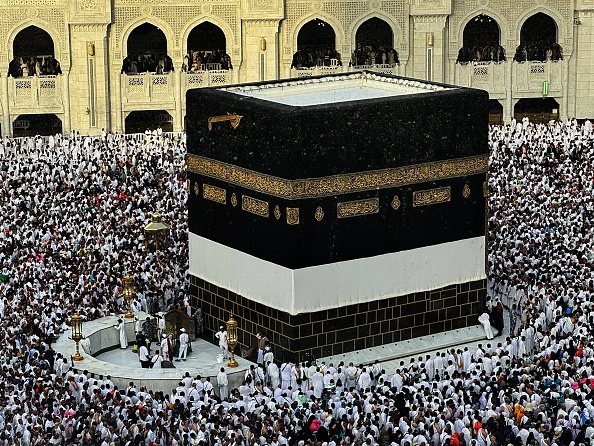
What is confirmed is that Saudi Arabia places exceptionally high priority on ensuring the security and uninterrupted conduct of Hajj, one of the largest annual mass gatherings in the world, drawing millions of Muslim pilgrims to the holy city.
The event carries not only religious significance but also major political and logistical weight for the Saudi state, which is responsible for its organization and safety.
The reported diplomatic engagement centers on Saudi concerns that any escalation between the United States and Iran during the pilgrimage period could increase regional instability and potentially threaten airspace security, maritime routes in the Gulf, or broader regional calm.
The key issue is timing: the Hajj requires heightened security coordination, emergency preparedness, and uninterrupted infrastructure functioning, all of which could be strained in the event of a regional military escalation.
Iran and Saudi Arabia have a long history of regional rivalry, shaped by geopolitical competition across the Middle East, including conflicts in Yemen, Syria, and Lebanon.
However, recent years have also seen periods of de-escalation and cautious diplomatic re-engagement between Riyadh and Tehran, reflecting shifting regional calculations and the need for stability to support economic diversification agendas within Gulf states.
The United States remains a central security partner for Saudi Arabia, with deep military, intelligence, and defense coordination ties.
Any reported Saudi request to delay military action would therefore reflect not opposition to alliance structures, but an attempt to manage timing and reduce systemic risk during a highly sensitive domestic and religious period.
The broader mechanism at work is strategic risk management under conditions of overlapping pressures: religious obligations, regional security threats, and alliance commitments.
Saudi policymakers must balance deterrence against Iran, coordination with Washington, and the operational imperative of safeguarding millions of pilgrims concentrated in a limited geographic area over a short timeframe.
Mass gatherings like Hajj represent unique security challenges.
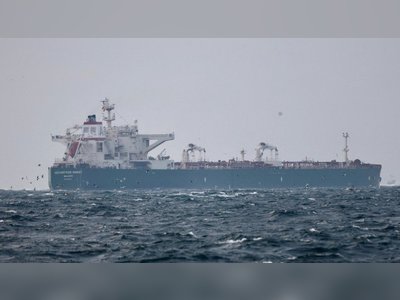
Any regional escalation can introduce risks ranging from air traffic disruptions to potential retaliatory actions affecting energy infrastructure or maritime chokepoints such as the Strait of Hormuz, through which a significant share of global oil flows.
This makes timing of conflict or military strikes a critical variable in regional diplomacy.
The stakes extend beyond immediate security concerns.
Saudi Arabia’s international image is closely tied to its management of Hajj, and any disruption would carry significant reputational consequences domestically, regionally, and within the broader Muslim world.
Stability during the pilgrimage is therefore treated as a strategic priority.
If Saudi Arabia has indeed sought to influence timing of U.S. action, it reflects a broader pattern of Gulf states attempting to shape the tempo rather than the substance of great-power military decisions in their region.
This includes efforts to reduce spillover risks while maintaining strategic partnerships.
The result is a delicate diplomatic equilibrium in which Saudi Arabia seeks to preserve regional deterrence against Iran while minimizing the probability that major conflict coincides with one of the most sensitive periods in its domestic calendar, reinforcing how religious, geopolitical, and security considerations are tightly interwoven in Gulf foreign policy.
What is confirmed is that Saudi Arabia places exceptionally high priority on ensuring the security and uninterrupted conduct of Hajj, one of the largest annual mass gatherings in the world, drawing millions of Muslim pilgrims to the holy city.
The event carries not only religious significance but also major political and logistical weight for the Saudi state, which is responsible for its organization and safety.
The reported diplomatic engagement centers on Saudi concerns that any escalation between the United States and Iran during the pilgrimage period could increase regional instability and potentially threaten airspace security, maritime routes in the Gulf, or broader regional calm.
The key issue is timing: the Hajj requires heightened security coordination, emergency preparedness, and uninterrupted infrastructure functioning, all of which could be strained in the event of a regional military escalation.
Iran and Saudi Arabia have a long history of regional rivalry, shaped by geopolitical competition across the Middle East, including conflicts in Yemen, Syria, and Lebanon.
However, recent years have also seen periods of de-escalation and cautious diplomatic re-engagement between Riyadh and Tehran, reflecting shifting regional calculations and the need for stability to support economic diversification agendas within Gulf states.
The United States remains a central security partner for Saudi Arabia, with deep military, intelligence, and defense coordination ties.
Any reported Saudi request to delay military action would therefore reflect not opposition to alliance structures, but an attempt to manage timing and reduce systemic risk during a highly sensitive domestic and religious period.
The broader mechanism at work is strategic risk management under conditions of overlapping pressures: religious obligations, regional security threats, and alliance commitments.
Saudi policymakers must balance deterrence against Iran, coordination with Washington, and the operational imperative of safeguarding millions of pilgrims concentrated in a limited geographic area over a short timeframe.
Mass gatherings like Hajj represent unique security challenges.
Any regional escalation can introduce risks ranging from air traffic disruptions to potential retaliatory actions affecting energy infrastructure or maritime chokepoints such as the Strait of Hormuz, through which a significant share of global oil flows.
This makes timing of conflict or military strikes a critical variable in regional diplomacy.
The stakes extend beyond immediate security concerns.
Saudi Arabia’s international image is closely tied to its management of Hajj, and any disruption would carry significant reputational consequences domestically, regionally, and within the broader Muslim world.
Stability during the pilgrimage is therefore treated as a strategic priority.
If Saudi Arabia has indeed sought to influence timing of U.S. action, it reflects a broader pattern of Gulf states attempting to shape the tempo rather than the substance of great-power military decisions in their region.
This includes efforts to reduce spillover risks while maintaining strategic partnerships.
The result is a delicate diplomatic equilibrium in which Saudi Arabia seeks to preserve regional deterrence against Iran while minimizing the probability that major conflict coincides with one of the most sensitive periods in its domestic calendar, reinforcing how religious, geopolitical, and security considerations are tightly interwoven in Gulf foreign policy.