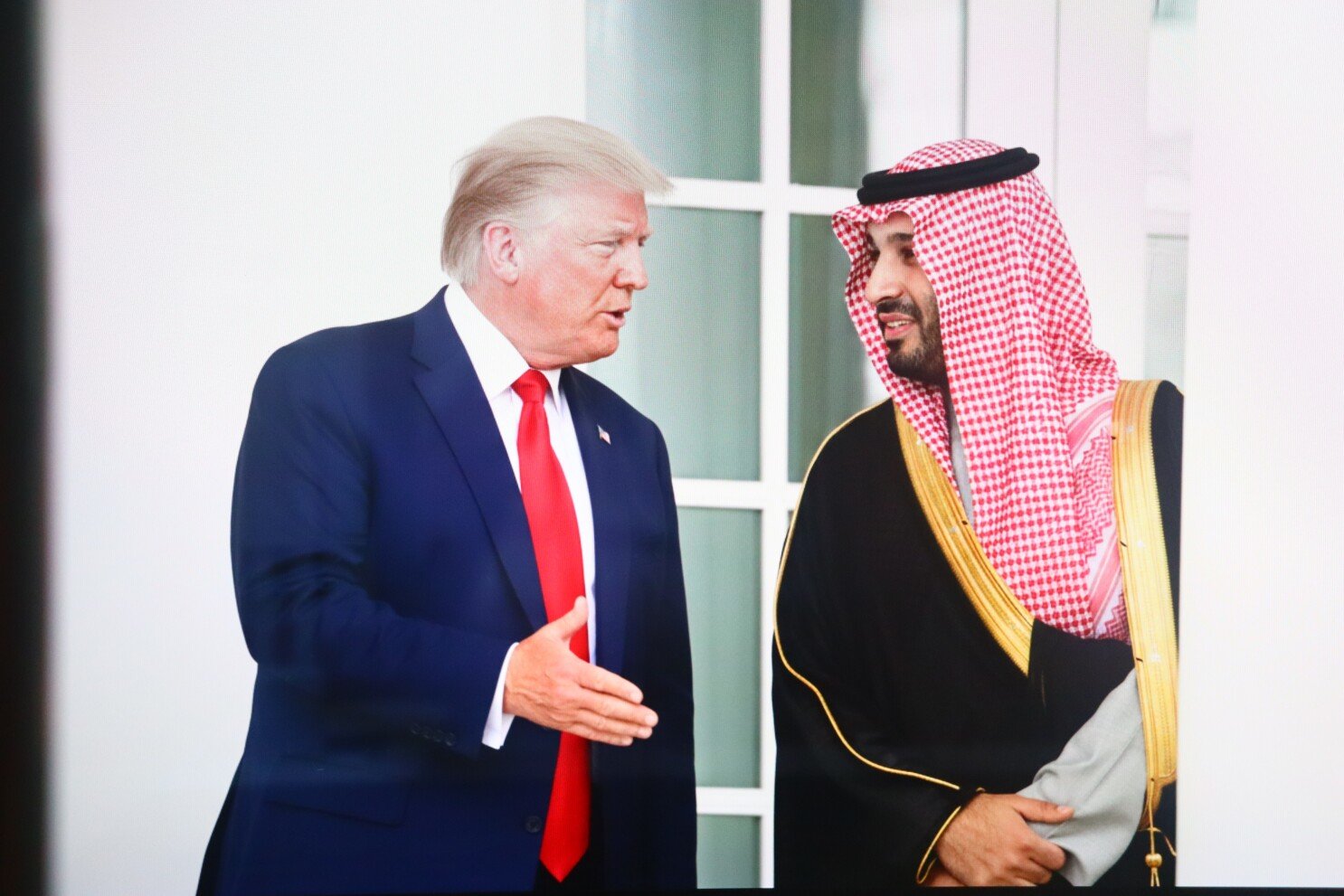
Saudi Arabia Pushes Back Against Trump’s Muslim Brotherhood Strategy
Riyadh signals divergence from Washington’s approach by expressing reservations about sweeping U.S. plans to label Brotherhood factions as terrorist entities
Saudi Arabia has signalled a significant diplomatic divergence with the United States over President Donald Trump’s recent initiative to begin designating certain chapters of the Muslim Brotherhood as Foreign Terrorist Organizations.
The Trump administration, seeking to broaden its counter-terrorism agenda, signed an executive order in late November mandating U.S. agencies to assess whether specific Brotherhood branches, including those in Egypt, Lebanon and Jordan, meet the criteria for terrorist designation.
This move revives a long-debated policy push that aligns with U.S. domestic critics of political Islam and is aimed at curbing organizations that Washington alleges have supported destabilizing activities across the Middle East.
The designation process, which will involve reports from the State and Treasury Departments, represents a shift toward a more assertive posture against Islamist political movements.
While Riyadh has historically classified the Brotherhood as a terrorist organization alongside several Gulf allies, Saudi officials have adopted a more nuanced view in recent months, emphasising stability and regional cooperation over blanket labels.
Analysts note that Saudi Arabia — a strategic U.S. partner — seeks to balance counter-extremism cooperation with concerns about alienating segments of the Muslim world where Brotherhood affiliates remain politically relevant.
The kingdom’s broader foreign policy priorities, including mediation in regional conflicts and its Vision 2030 economic strategy, are likely to temper any wholesale endorsement of Washington’s designation plan.
As the U.S. moves forward with its internal review and potential designation actions, the emerging diplomatic friction underscores the complexity of aligning counter-terrorism policies among key allies with overlapping but distinct security interests.
The Trump administration, seeking to broaden its counter-terrorism agenda, signed an executive order in late November mandating U.S. agencies to assess whether specific Brotherhood branches, including those in Egypt, Lebanon and Jordan, meet the criteria for terrorist designation.
This move revives a long-debated policy push that aligns with U.S. domestic critics of political Islam and is aimed at curbing organizations that Washington alleges have supported destabilizing activities across the Middle East.
The designation process, which will involve reports from the State and Treasury Departments, represents a shift toward a more assertive posture against Islamist political movements.
While Riyadh has historically classified the Brotherhood as a terrorist organization alongside several Gulf allies, Saudi officials have adopted a more nuanced view in recent months, emphasising stability and regional cooperation over blanket labels.
Analysts note that Saudi Arabia — a strategic U.S. partner — seeks to balance counter-extremism cooperation with concerns about alienating segments of the Muslim world where Brotherhood affiliates remain politically relevant.
The kingdom’s broader foreign policy priorities, including mediation in regional conflicts and its Vision 2030 economic strategy, are likely to temper any wholesale endorsement of Washington’s designation plan.
As the U.S. moves forward with its internal review and potential designation actions, the emerging diplomatic friction underscores the complexity of aligning counter-terrorism policies among key allies with overlapping but distinct security interests.