Trump Considers Security Meeting as Iran Presents New Negotiation Proposal
US President Donald Trump is set to meet his top security advisers on Monday regarding the ongoing conflict with Iran, amid stalled negotiations.
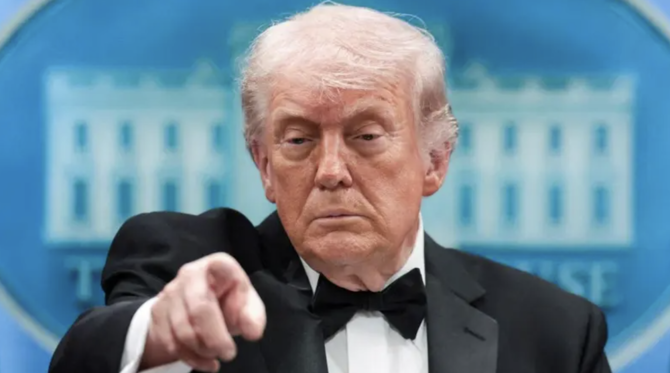
US President Donald Trump will convene a meeting with his national security and foreign policy team on Monday to discuss next steps in the Iran conflict, according to US media reports.
The development comes as negotiations between the two nations remain at an impasse.
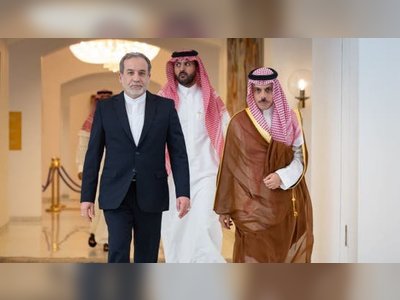
The only round of talks held this month in Pakistan failed, with Tehran's top diplomat, Abbas Araghchi, blaming the United States for the stalemate.
These discussions were part of a broader attempt to broker a peace deal that addresses the regional instability and economic ramifications stemming from their conflict.
Barak Ravid of Axios reported that Trump's meeting will address ongoing tensions with Iran.
Additionally, Fars news agency reported that Iran has communicated written messages through Pakistan to the US, which include red lines such as nuclear issues and control over the Strait of Hormuz.
However, these communications are not part of formal negotiations, as per ABC News' report citing unnamed US officials.
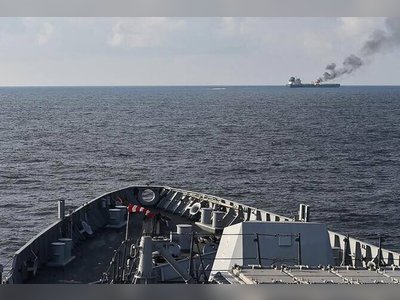
The proposed deal by Tehran reportedly includes reopening the Strait of Hormuz and lifting a US naval blockade, with nuclear discussions deferred for future negotiations.
Despite the failure of direct talks in Islamabad that were led by Araghchi, indications suggest that backchannel communication efforts persist.
Sources close to Iran's government have revealed to Reuters that their negotiation proposal involves staged talks.
The initial phase focuses on ending hostilities between the US and Israel concerning Iran and securing guarantees against future aggression from Washington.
Subsequent phases aim at resolving the US-imposed blockade on the Strait of Hormuz, with Iran seeking its control.
Only after these steps would negotiations address more contentious issues such as nuclear capabilities.
The cancellation of a planned diplomatic delegation visit by Trump's envoys Steve Witkoff and Jared Kushner further highlights the ongoing difficulty in establishing direct communication channels.
Recent developments suggest that while remote negotiations persist, face-to-face meetings remain unlikely until both parties are closer to consensus on potential agreements.
The development comes as negotiations between the two nations remain at an impasse.
The only round of talks held this month in Pakistan failed, with Tehran's top diplomat, Abbas Araghchi, blaming the United States for the stalemate.
These discussions were part of a broader attempt to broker a peace deal that addresses the regional instability and economic ramifications stemming from their conflict.
Barak Ravid of Axios reported that Trump's meeting will address ongoing tensions with Iran.
Additionally, Fars news agency reported that Iran has communicated written messages through Pakistan to the US, which include red lines such as nuclear issues and control over the Strait of Hormuz.
However, these communications are not part of formal negotiations, as per ABC News' report citing unnamed US officials.
The proposed deal by Tehran reportedly includes reopening the Strait of Hormuz and lifting a US naval blockade, with nuclear discussions deferred for future negotiations.
Despite the failure of direct talks in Islamabad that were led by Araghchi, indications suggest that backchannel communication efforts persist.
Sources close to Iran's government have revealed to Reuters that their negotiation proposal involves staged talks.
The initial phase focuses on ending hostilities between the US and Israel concerning Iran and securing guarantees against future aggression from Washington.
Subsequent phases aim at resolving the US-imposed blockade on the Strait of Hormuz, with Iran seeking its control.
Only after these steps would negotiations address more contentious issues such as nuclear capabilities.
The cancellation of a planned diplomatic delegation visit by Trump's envoys Steve Witkoff and Jared Kushner further highlights the ongoing difficulty in establishing direct communication channels.
Recent developments suggest that while remote negotiations persist, face-to-face meetings remain unlikely until both parties are closer to consensus on potential agreements.