Saudi Arabia Releases Ethiopian-Born Tycoon Amid Broader Pattern of Detainee Freeings
Mohammed Hussein al-Amoudi, one of Ethiopia’s most influential investors, has been released after detention linked to Saudi Arabia’s 2017 anti-corruption crackdown, as Riyadh continues selective releases tied to settlements and political recalibration.
SYSTEM-DRIVEN
Saudi Arabia’s release of Ethiopian-born billionaire Mohammed Hussein al-Amoudi is the latest development in a long-running detention and settlement system that has shaped the kingdom’s approach to political power, elite wealth, and state control since its sweeping 2017 anti-corruption campaign.
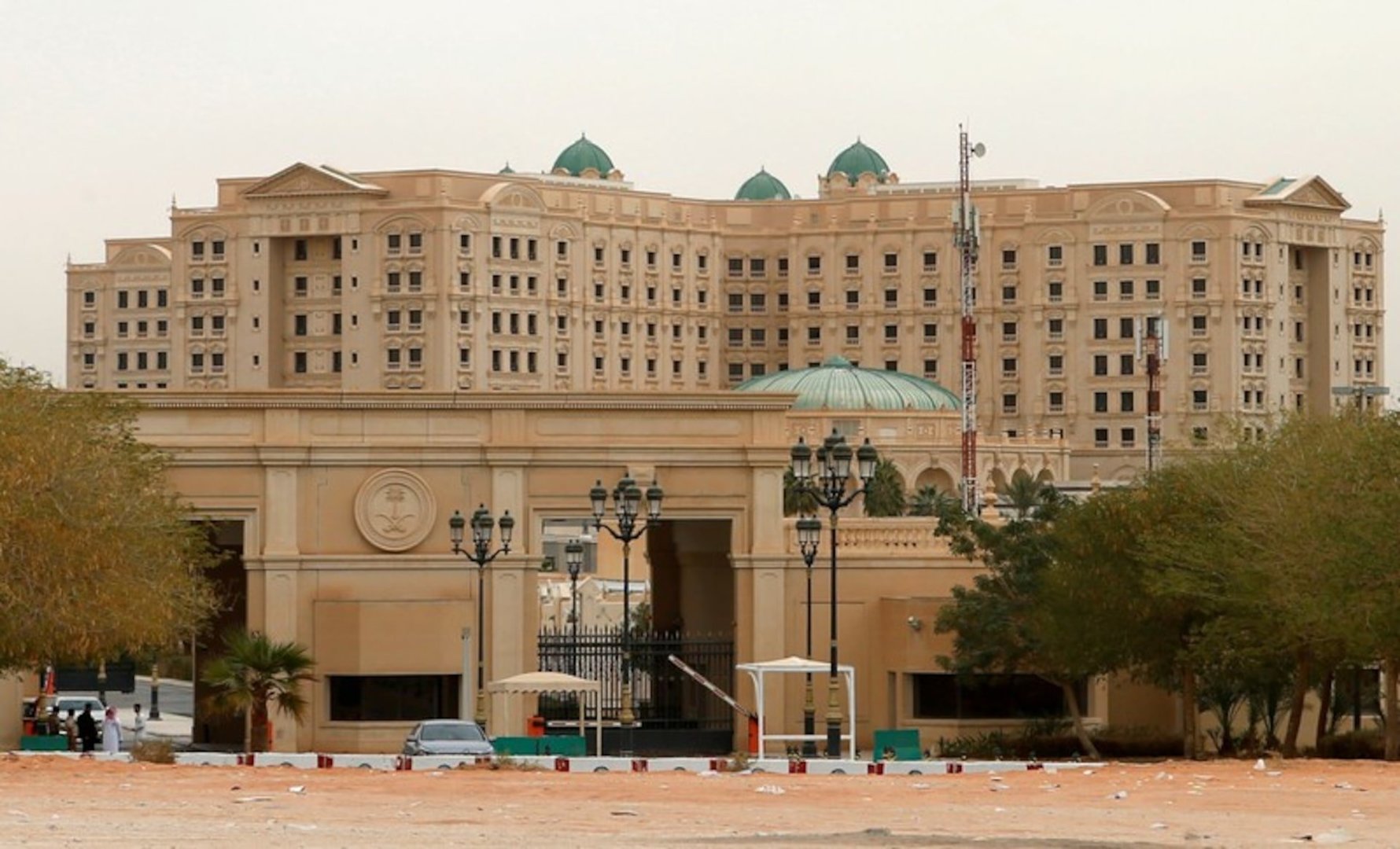
Al-Amoudi, a Saudi citizen born in Ethiopia and one of the most prominent investors across the Horn of Africa, was originally detained in November 2017 during a mass roundup of businessmen, senior officials, and royals held at Riyadh’s Ritz-Carlton hotel.
That operation was publicly framed as an anti-corruption drive, but it quickly became one of the most consequential consolidation episodes under Crown Prince Mohammed bin Salman, as it concentrated financial assets and reinforced central authority over powerful economic actors.
What is confirmed is that Al-Amoudi was among dozens of high-profile figures detained for more than a year and later released in early 2019 following negotiations that, in many cases, involved financial settlements with the state.
Authorities did not disclose terms of release, and the extent of asset transfers remains partially opaque.
Reporting at the time indicated that Saudi officials expected to recover substantial sums through such agreements, though individual deals were not publicly detailed.
The current release fits a broader pattern of gradual detainee exits over multiple years, rather than a single coordinated closure of cases.
Many of those detained in 2017–2018 were released in waves, often after reaching undisclosed arrangements.
Some remained under restrictions or faced legal proceedings, while others re-entered business life with varying degrees of limitation.
Al-Amoudi’s significance goes beyond his detention.
He built a diversified empire spanning construction, agriculture, mining, and energy, with major investments in Ethiopia and holdings across several countries.
His capital has been especially influential in Ethiopia’s industrial and agricultural development, making his status politically relevant not only to Saudi Arabia but also to East African economic planning.
The key issue underlying the case is how Saudi Arabia has used detention-and-settlement mechanisms as a tool to reconfigure elite networks, extract fiscal value, and reduce independent centers of economic power.
Supporters of the policy describe it as a recovery of misused public wealth.
Critics argue it blurred the line between legal accountability and state coercion, particularly given the absence of transparent judicial processes for many detainees.
The broader context is that Saudi Arabia continues to balance economic reform ambitions under its Vision 2030 program with tighter control over domestic political and financial elites.
The 2017 crackdown marked a turning point in that strategy, and subsequent releases indicate a managed normalization rather than a full institutional reset.
Al-Amoudi’s release reinforces that the consequences of the original crackdown are still being resolved years later through negotiated exits, asset settlements, and gradual reintegration of select figures into private life.
The structure established in 2017 continues to shape how high-value economic actors interact with the Saudi state.
Saudi Arabia’s release of Ethiopian-born billionaire Mohammed Hussein al-Amoudi is the latest development in a long-running detention and settlement system that has shaped the kingdom’s approach to political power, elite wealth, and state control since its sweeping 2017 anti-corruption campaign.
Al-Amoudi, a Saudi citizen born in Ethiopia and one of the most prominent investors across the Horn of Africa, was originally detained in November 2017 during a mass roundup of businessmen, senior officials, and royals held at Riyadh’s Ritz-Carlton hotel.
That operation was publicly framed as an anti-corruption drive, but it quickly became one of the most consequential consolidation episodes under Crown Prince Mohammed bin Salman, as it concentrated financial assets and reinforced central authority over powerful economic actors.
What is confirmed is that Al-Amoudi was among dozens of high-profile figures detained for more than a year and later released in early 2019 following negotiations that, in many cases, involved financial settlements with the state.
Authorities did not disclose terms of release, and the extent of asset transfers remains partially opaque.
Reporting at the time indicated that Saudi officials expected to recover substantial sums through such agreements, though individual deals were not publicly detailed.
The current release fits a broader pattern of gradual detainee exits over multiple years, rather than a single coordinated closure of cases.
Many of those detained in 2017–2018 were released in waves, often after reaching undisclosed arrangements.
Some remained under restrictions or faced legal proceedings, while others re-entered business life with varying degrees of limitation.
Al-Amoudi’s significance goes beyond his detention.
He built a diversified empire spanning construction, agriculture, mining, and energy, with major investments in Ethiopia and holdings across several countries.
His capital has been especially influential in Ethiopia’s industrial and agricultural development, making his status politically relevant not only to Saudi Arabia but also to East African economic planning.
The key issue underlying the case is how Saudi Arabia has used detention-and-settlement mechanisms as a tool to reconfigure elite networks, extract fiscal value, and reduce independent centers of economic power.
Supporters of the policy describe it as a recovery of misused public wealth.
Critics argue it blurred the line between legal accountability and state coercion, particularly given the absence of transparent judicial processes for many detainees.
The broader context is that Saudi Arabia continues to balance economic reform ambitions under its Vision 2030 program with tighter control over domestic political and financial elites.
The 2017 crackdown marked a turning point in that strategy, and subsequent releases indicate a managed normalization rather than a full institutional reset.
Al-Amoudi’s release reinforces that the consequences of the original crackdown are still being resolved years later through negotiated exits, asset settlements, and gradual reintegration of select figures into private life.
The structure established in 2017 continues to shape how high-value economic actors interact with the Saudi state.