France Urges Iran for Major Concessions to End Strait of Hormuz Crisis
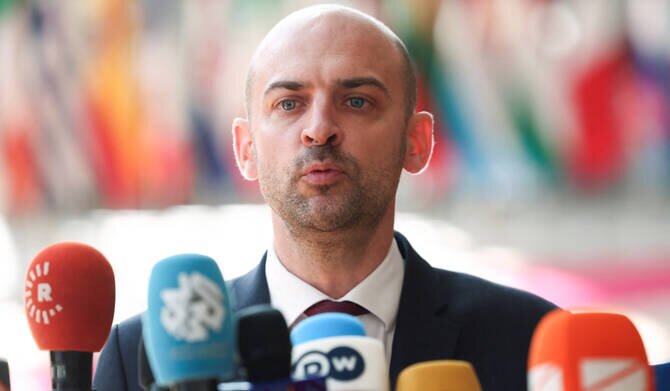
Foreign Minister Jean-Noel Barrot speaks at UN Security Council session on Iran's control over the key strait.
The United Nations, United States: France emphasized that Iran must be prepared to make 'major concessions' to resolve the ongoing crisis involving its control over the strategic Strait of Hormuz.
Foreign Minister Jean-Noel Barrot addressed the UN Security Council, stating that a lasting solution is contingent upon Iran's willingness to alter its stance significantly.
Barrot called for Iran to ensure peaceful coexistence within its region and allow the Iranian people to freely determine their future.
This appeal comes months after the government suppressed mass protests, leading to a crisis.
The session, initiated by Bahrain, saw numerous countries unite in calling for Iran to fully open the Strait of Hormuz, which serves as the gateway to the Gulf and accounts for one-fifth of the world's oil supply.
In response to the attacks, Iran has sought to assert control over the strait, proposing a toll system that defies warnings from President Donald Trump.
The latter has expressed frustration over rising global oil prices.
Mike Waltz, the US Ambassador to the United Nations, criticized Iran for mining international waters, terming this action as a violation of international law and likening Iran's actions to piracy.
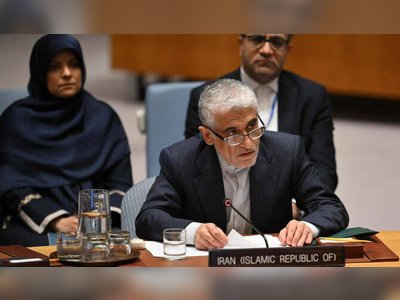
Iran's envoy, Amir Saeid Iravani, countered that Iran does not recognize the UN Convention on the Law of the Sea and demanded 'credible guarantees' of non-attack before committing to stability in the Arabian Gulf.
He accused the United States and Israel of terrorism, unlawful ship seizures, and hostage-taking against Iranian vessels.
While denouncing Iran's actions, Barrot also criticized the United States and Israel for initiating the conflict without a clear goal and outside international law.
However, he placed primary responsibility on Iran due to its 'obstinacy' in nuclear and ballistic missile programs and support for terrorist groups.
Foreign Minister Jean-Noel Barrot addressed the UN Security Council, stating that a lasting solution is contingent upon Iran's willingness to alter its stance significantly.
Barrot called for Iran to ensure peaceful coexistence within its region and allow the Iranian people to freely determine their future.
This appeal comes months after the government suppressed mass protests, leading to a crisis.
The session, initiated by Bahrain, saw numerous countries unite in calling for Iran to fully open the Strait of Hormuz, which serves as the gateway to the Gulf and accounts for one-fifth of the world's oil supply.
In response to the attacks, Iran has sought to assert control over the strait, proposing a toll system that defies warnings from President Donald Trump.
The latter has expressed frustration over rising global oil prices.
Mike Waltz, the US Ambassador to the United Nations, criticized Iran for mining international waters, terming this action as a violation of international law and likening Iran's actions to piracy.
Iran's envoy, Amir Saeid Iravani, countered that Iran does not recognize the UN Convention on the Law of the Sea and demanded 'credible guarantees' of non-attack before committing to stability in the Arabian Gulf.
He accused the United States and Israel of terrorism, unlawful ship seizures, and hostage-taking against Iranian vessels.
While denouncing Iran's actions, Barrot also criticized the United States and Israel for initiating the conflict without a clear goal and outside international law.
However, he placed primary responsibility on Iran due to its 'obstinacy' in nuclear and ballistic missile programs and support for terrorist groups.