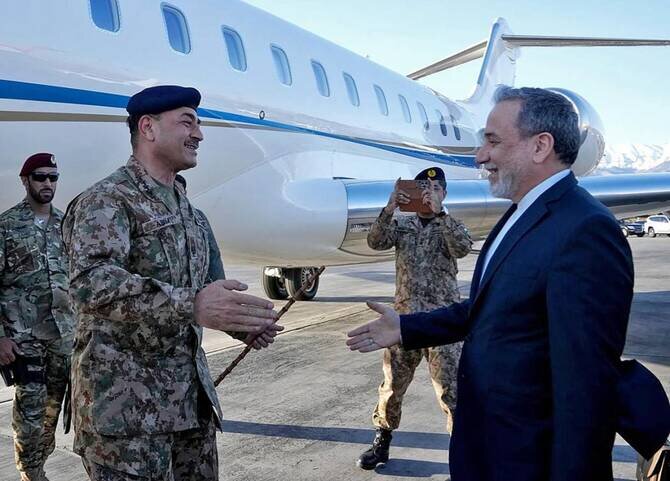
Iran's Araghchi Heads to Islamabad for Indirect Talks With US
Iranian Foreign Minister Abbas Araghchi is expected in Pakistan to discuss proposals for restarting peace talks with the United States.
Iran’s Foreign Minister Abbas Araghchi was expected in the Pakistani capital Islamabad on Friday to discuss proposals for restarting peace talks with the United States, but was not due to meet US negotiators.
The talks between the US and Iran were set to take place in Islamabad after earlier discussions collapsed this week.Araghchi stated that he would embark on visits to Pakistan, Oman, and Russia to coordinate with partners on bilateral matters and consult on regional developments.
He further emphasized that Iran’s neighbors remained Tehran’s priority.According to two Pakistani government sources familiar with the discussions, Araghchi's visit was intended to be a brief one, focusing on Iran’s proposals for talks with the US.
Pakistan would then convey these proposals to Washington.
There has been no direct response from Washington regarding Araghchi's trip; however, US Defense Secretary Pete Hegseth noted that Iran had an opportunity to make a 'good deal' with the United States.Reports on Araghchi's trip in Iranian state media and Pakistani sources made no mention of Mohammad Baqer Qalibaf, who served as the head of Iran’s parliament delegation during the only previous talks held earlier this month.
Earlier reports suggested that a US logistics and security team was already present in Islamabad for potential discussions.The last round of peace talks was expected to take place on Tuesday but failed to materialize, with Iran stating it was not yet ready to commit to attending.
A US delegation led by Vice President JD Vance did not leave Washington.
President Donald Trump extended a ceasefire unilaterally on Tuesday to allow more time for the negotiators to reconvene.Meanwhile, separate conflicts continue in Lebanon, where Israel and Hezbollah have extended their cease-fire by three weeks following a meeting brokered by former US President Donald Trump at the White House.
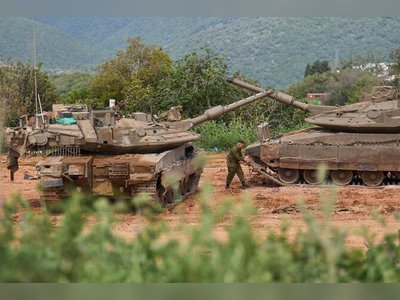
The war in Lebanon, which saw Israel invade last month to root out Iran’s Hezbollah allies, has been ongoing parallel to the wider Iran-US conflict.
Tehran insists that a ceasefire in Lebanon is a precondition for talks.The fighting in southern Lebanon remains unresolved as Lebanese authorities report casualties from Israeli strikes and Hezbollah downs an Israeli drone.
Despite a significant reduction in hostilities since the initial ceasefire on April 16, Israel and Hezbollah continue to engage in combat within a self-declared 'buffer zone.'Hezbollah lawmaker Ali Fayyad stated that the cease-fire is meaningless due to ongoing hostile acts by Israel, including assassinations, shelling, and gunfire.
Israeli demolitions of villages and towns in southern Lebanon further contribute to this sentiment.The Strait of Hormuz blockade remains unresolved as Trump asserted the US holds an advantage in the standoff.
Iran has blocked nearly all ships apart from its own since the start of the conflict eight weeks ago.
Recent seizures by Iran have demonstrated their control over the strait, which is a critical energy shipping route.
The US imposed a separate blockade on Iranian shipping last week, with US forces boarding several Iranian vessels in international waters.Iran maintains it will not reopen the strait until Trump lifts his blockade.
Only five ships successfully crossed the Strait of Hormuz in the past 24 hours compared to around 130 prior to the conflict.
These included one Iranian oil products tanker but none of the usual crude-carrying supertankers that typically supply global energy markets.Container shipping company Hapag-Lloyd also reported that one of its ships had crossed the strait, although further details were not provided.
The evolving tactics by Iran in countering US interception efforts through small, fast boats have been highlighted by recent seizures of container ships.
This development underscores ongoing tensions in the Strait of Hormuz as both sides seek resolution to the conflict.Pressure on Trump to find a way out of the war has intensified, especially as his fellow Republicans defend narrow majorities in Congress ahead of November’s midterm elections.
Concerns about US gasoline prices, rising inflation, and declining approval ratings further contribute to this pressure.
The talks between the US and Iran were set to take place in Islamabad after earlier discussions collapsed this week.Araghchi stated that he would embark on visits to Pakistan, Oman, and Russia to coordinate with partners on bilateral matters and consult on regional developments.
He further emphasized that Iran’s neighbors remained Tehran’s priority.According to two Pakistani government sources familiar with the discussions, Araghchi's visit was intended to be a brief one, focusing on Iran’s proposals for talks with the US.
Pakistan would then convey these proposals to Washington.
There has been no direct response from Washington regarding Araghchi's trip; however, US Defense Secretary Pete Hegseth noted that Iran had an opportunity to make a 'good deal' with the United States.Reports on Araghchi's trip in Iranian state media and Pakistani sources made no mention of Mohammad Baqer Qalibaf, who served as the head of Iran’s parliament delegation during the only previous talks held earlier this month.
Earlier reports suggested that a US logistics and security team was already present in Islamabad for potential discussions.The last round of peace talks was expected to take place on Tuesday but failed to materialize, with Iran stating it was not yet ready to commit to attending.
A US delegation led by Vice President JD Vance did not leave Washington.
President Donald Trump extended a ceasefire unilaterally on Tuesday to allow more time for the negotiators to reconvene.Meanwhile, separate conflicts continue in Lebanon, where Israel and Hezbollah have extended their cease-fire by three weeks following a meeting brokered by former US President Donald Trump at the White House.
The war in Lebanon, which saw Israel invade last month to root out Iran’s Hezbollah allies, has been ongoing parallel to the wider Iran-US conflict.
Tehran insists that a ceasefire in Lebanon is a precondition for talks.The fighting in southern Lebanon remains unresolved as Lebanese authorities report casualties from Israeli strikes and Hezbollah downs an Israeli drone.
Despite a significant reduction in hostilities since the initial ceasefire on April 16, Israel and Hezbollah continue to engage in combat within a self-declared 'buffer zone.'Hezbollah lawmaker Ali Fayyad stated that the cease-fire is meaningless due to ongoing hostile acts by Israel, including assassinations, shelling, and gunfire.
Israeli demolitions of villages and towns in southern Lebanon further contribute to this sentiment.The Strait of Hormuz blockade remains unresolved as Trump asserted the US holds an advantage in the standoff.
Iran has blocked nearly all ships apart from its own since the start of the conflict eight weeks ago.
Recent seizures by Iran have demonstrated their control over the strait, which is a critical energy shipping route.
The US imposed a separate blockade on Iranian shipping last week, with US forces boarding several Iranian vessels in international waters.Iran maintains it will not reopen the strait until Trump lifts his blockade.
Only five ships successfully crossed the Strait of Hormuz in the past 24 hours compared to around 130 prior to the conflict.
These included one Iranian oil products tanker but none of the usual crude-carrying supertankers that typically supply global energy markets.Container shipping company Hapag-Lloyd also reported that one of its ships had crossed the strait, although further details were not provided.
The evolving tactics by Iran in countering US interception efforts through small, fast boats have been highlighted by recent seizures of container ships.
This development underscores ongoing tensions in the Strait of Hormuz as both sides seek resolution to the conflict.Pressure on Trump to find a way out of the war has intensified, especially as his fellow Republicans defend narrow majorities in Congress ahead of November’s midterm elections.
Concerns about US gasoline prices, rising inflation, and declining approval ratings further contribute to this pressure.