Saudi Arabia’s Vision 2030 Faces Pressure Beyond Regional Conflict with Iran
Domestic economic transformation, fiscal strain, and structural reform challenges are increasingly shaping Riyadh’s long-term agenda alongside escalating regional security risks
SYSTEM-DRIVEN: The story is driven by the structural transformation agenda of Saudi Arabia’s Vision 2030, a long-term national program aimed at reducing dependence on oil revenue while reshaping the kingdom’s economy, governance capacity, and global investment position.
Saudi Arabia’s Vision 2030 was designed as a comprehensive economic and social restructuring project, anchored in the goal of diversifying the kingdom’s revenue base away from hydrocarbons.
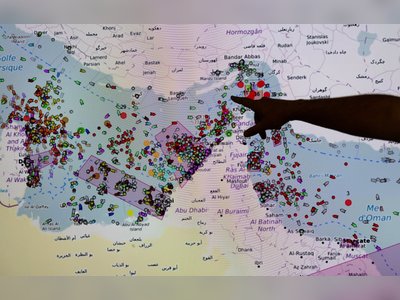
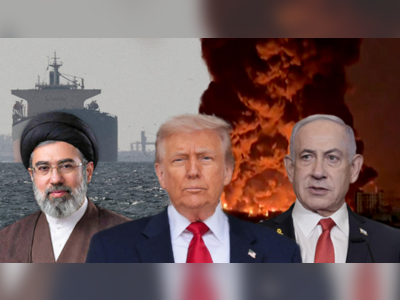
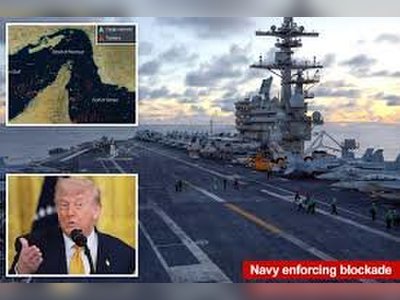
What is confirmed is that this agenda is unfolding in parallel with heightened regional instability, including tensions involving Iran and periodic disruptions to Gulf security, but the strategic pressure on Riyadh extends far beyond external conflict dynamics.
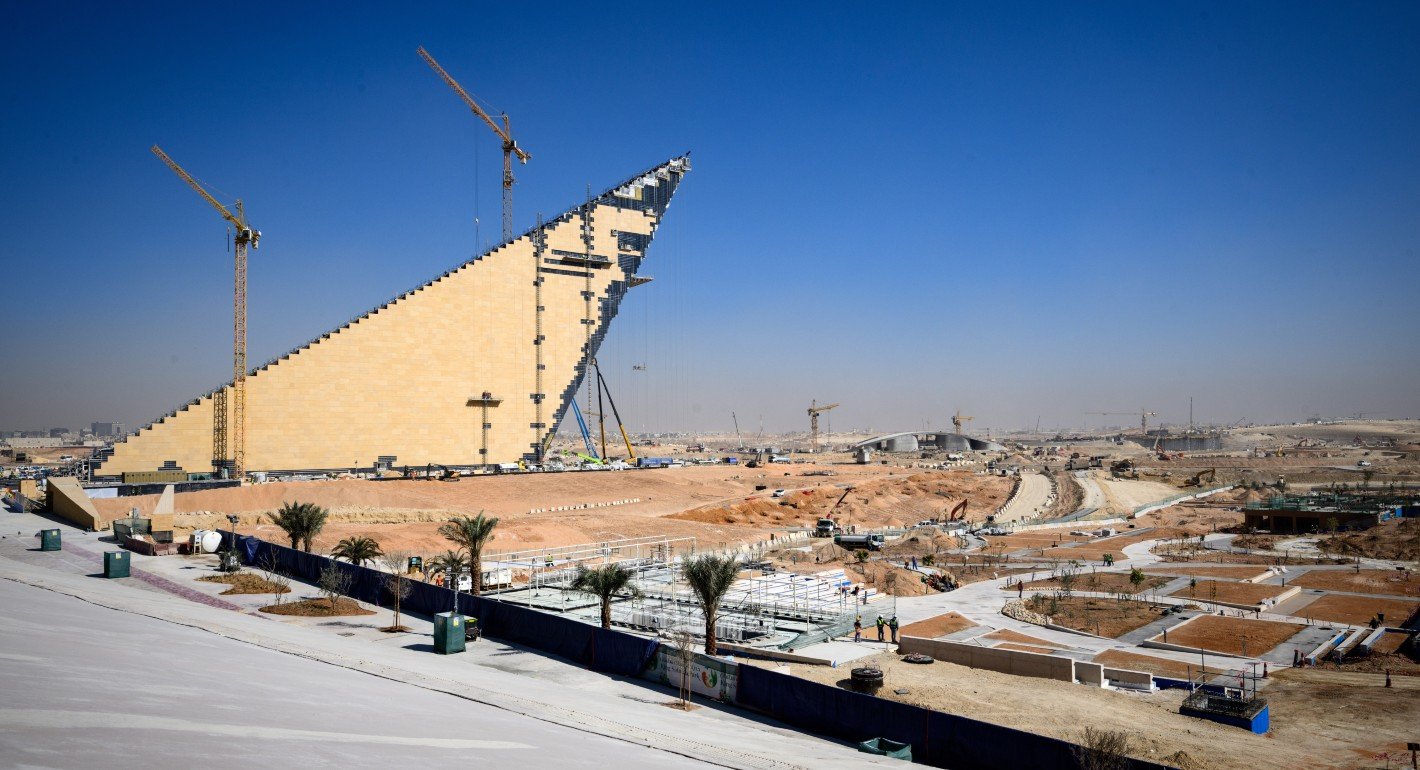
At its core, Vision 2030 depends on sustained fiscal capacity, large-scale foreign investment inflows, and the successful execution of mega-projects intended to redefine the Saudi economic landscape.
These include massive urban development initiatives, tourism expansion zones, and industrial diversification programs meant to build non-oil revenue streams at scale.
However, the transformation process has exposed structural constraints.
The Saudi economy remains heavily reliant on oil revenues to fund public spending and sovereign investment programs.
As a result, fluctuations in global energy prices directly affect the kingdom’s ability to maintain the pace of domestic development without increasing fiscal pressure.
Another central challenge is implementation risk.
Many Vision 2030 projects require complex coordination between state institutions, sovereign wealth entities, and private sector partners.
Large infrastructure and urban development schemes carry long timelines, high capital requirements, and exposure to global financing conditions that can shift rapidly.
The labor market structure also presents a constraint.
The plan requires a sustained shift from public-sector employment to private-sector-driven growth, including increased participation of Saudi nationals in non-government roles.
This transition has proven slower and more uneven than initial projections anticipated, particularly in sectors requiring specialized technical skills.
Externally, regional instability compounds these economic pressures.
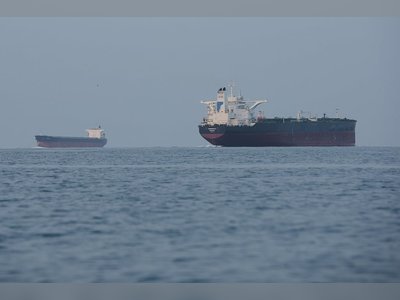
While military tensions involving Iran and maritime security risks in the Gulf attract global attention, they also influence investor sentiment, insurance costs, and long-term risk assessments for major infrastructure and tourism projects tied to Vision 2030.
At the same time, Saudi Arabia is attempting to position itself as a central global investment hub, competing for capital with other emerging markets and established financial centers.
That competition increases the importance of regulatory predictability, legal reforms, and consistent project delivery timelines.
The interaction between domestic reform and regional geopolitics creates a layered challenge.
Security tensions can affect economic confidence, while economic constraints can limit the kingdom’s strategic flexibility.
This interdependence makes Vision 2030 not only an economic plan but also a geopolitical instrument that is sensitive to external shocks.
What is emerging is a dual-pressure environment: external regional instability and internal structural transformation demands are unfolding simultaneously.
The success of Vision 2030 will depend less on any single geopolitical outcome and more on whether Saudi Arabia can maintain long-term fiscal stability while executing large-scale economic restructuring under uncertain global conditions.
Saudi Arabia’s Vision 2030 was designed as a comprehensive economic and social restructuring project, anchored in the goal of diversifying the kingdom’s revenue base away from hydrocarbons.
What is confirmed is that this agenda is unfolding in parallel with heightened regional instability, including tensions involving Iran and periodic disruptions to Gulf security, but the strategic pressure on Riyadh extends far beyond external conflict dynamics.
At its core, Vision 2030 depends on sustained fiscal capacity, large-scale foreign investment inflows, and the successful execution of mega-projects intended to redefine the Saudi economic landscape.
These include massive urban development initiatives, tourism expansion zones, and industrial diversification programs meant to build non-oil revenue streams at scale.
However, the transformation process has exposed structural constraints.
The Saudi economy remains heavily reliant on oil revenues to fund public spending and sovereign investment programs.
As a result, fluctuations in global energy prices directly affect the kingdom’s ability to maintain the pace of domestic development without increasing fiscal pressure.
Another central challenge is implementation risk.
Many Vision 2030 projects require complex coordination between state institutions, sovereign wealth entities, and private sector partners.
Large infrastructure and urban development schemes carry long timelines, high capital requirements, and exposure to global financing conditions that can shift rapidly.
The labor market structure also presents a constraint.
The plan requires a sustained shift from public-sector employment to private-sector-driven growth, including increased participation of Saudi nationals in non-government roles.
This transition has proven slower and more uneven than initial projections anticipated, particularly in sectors requiring specialized technical skills.
Externally, regional instability compounds these economic pressures.
While military tensions involving Iran and maritime security risks in the Gulf attract global attention, they also influence investor sentiment, insurance costs, and long-term risk assessments for major infrastructure and tourism projects tied to Vision 2030.
At the same time, Saudi Arabia is attempting to position itself as a central global investment hub, competing for capital with other emerging markets and established financial centers.
That competition increases the importance of regulatory predictability, legal reforms, and consistent project delivery timelines.
The interaction between domestic reform and regional geopolitics creates a layered challenge.
Security tensions can affect economic confidence, while economic constraints can limit the kingdom’s strategic flexibility.
This interdependence makes Vision 2030 not only an economic plan but also a geopolitical instrument that is sensitive to external shocks.
What is emerging is a dual-pressure environment: external regional instability and internal structural transformation demands are unfolding simultaneously.
The success of Vision 2030 will depend less on any single geopolitical outcome and more on whether Saudi Arabia can maintain long-term fiscal stability while executing large-scale economic restructuring under uncertain global conditions.