Saudi Arabia and Kuwait Move to Ease Limits on US Military Access, Signaling Shift in Regional Security Posture
Reports of relaxed restrictions on US access to bases and airspace suggest a recalibration of Gulf–US military coordination amid rising regional tensions
A shift in military access arrangements involving Saudi Arabia and Kuwait and their coordination with the United States is emerging as part of a broader system-level adjustment in Gulf security policy, centered on how regional states manage foreign military presence and operational flexibility in their airspace and bases.
Recent developments indicate that both Saudi Arabia and Kuwait are moving toward easing restrictions on US military access to their facilities and airspace, marking a potential change in operational posture after a period in which such access was more tightly regulated.
What is central to the story is not a single incident, but a structural recalibration of defense cooperation mechanisms between Gulf states and the United States.
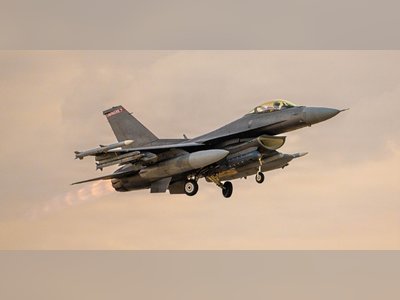
The reported adjustments would affect how US forces deploy aircraft, conduct logistical operations, and coordinate regional security missions from Gulf territory.
In practical terms, such access determines the speed and scope of US military response capabilities across the Middle East, including surveillance, air operations, and rapid deployment logistics.
Saudi Arabia and Kuwait host strategically significant infrastructure for US military operations in the region, including airbases and logistical hubs that support operations across the Gulf, the Red Sea, and parts of the broader Middle East.
Changes to access rules therefore have immediate operational implications, even if they do not involve permanent basing rights or troop increases.
The motivation behind easing restrictions is linked to broader regional security dynamics, including heightened tensions involving Iran, ongoing instability in multiple conflict zones, and the need for faster coordination among allied forces.
Gulf states have historically balanced their reliance on US security support with domestic and regional political considerations regarding sovereignty and visible foreign military presence.
At the same time, these arrangements are often flexible and subject to periodic renegotiation rather than formal public treaties.
Access permissions for airspace and bases can be adjusted through executive-level defense coordination agreements, making changes difficult to track in real time and often partially opaque outside official confirmation channels.
If confirmed and fully implemented, the easing of restrictions would enhance US operational reach in the region, particularly for air operations and intelligence missions.
It would also signal continued reliance by Gulf partners on US military capabilities despite periodic efforts to diversify security relationships with other global powers.
The implications extend beyond immediate military logistics.
Adjustments in access arrangements often reflect broader geopolitical alignment signals, indicating how closely regional states are willing to coordinate with Washington during periods of heightened strategic pressure.
They can also influence deterrence dynamics, particularly in relation to state and non-state actors operating across the region.
While details of the scope and timing of the changes have not been fully made public, the direction of movement suggests a reinforcement rather than a reduction of US-Gulf military interoperability.
That positions the development within a wider pattern of sustained, pragmatic security cooperation despite periodic political friction.
The immediate consequence is a potential increase in operational flexibility for US forces in the Gulf region, reinforcing existing military infrastructure as a key component of regional security architecture.
Recent developments indicate that both Saudi Arabia and Kuwait are moving toward easing restrictions on US military access to their facilities and airspace, marking a potential change in operational posture after a period in which such access was more tightly regulated.
What is central to the story is not a single incident, but a structural recalibration of defense cooperation mechanisms between Gulf states and the United States.
The reported adjustments would affect how US forces deploy aircraft, conduct logistical operations, and coordinate regional security missions from Gulf territory.
In practical terms, such access determines the speed and scope of US military response capabilities across the Middle East, including surveillance, air operations, and rapid deployment logistics.
Saudi Arabia and Kuwait host strategically significant infrastructure for US military operations in the region, including airbases and logistical hubs that support operations across the Gulf, the Red Sea, and parts of the broader Middle East.
Changes to access rules therefore have immediate operational implications, even if they do not involve permanent basing rights or troop increases.
The motivation behind easing restrictions is linked to broader regional security dynamics, including heightened tensions involving Iran, ongoing instability in multiple conflict zones, and the need for faster coordination among allied forces.
Gulf states have historically balanced their reliance on US security support with domestic and regional political considerations regarding sovereignty and visible foreign military presence.
At the same time, these arrangements are often flexible and subject to periodic renegotiation rather than formal public treaties.
Access permissions for airspace and bases can be adjusted through executive-level defense coordination agreements, making changes difficult to track in real time and often partially opaque outside official confirmation channels.
If confirmed and fully implemented, the easing of restrictions would enhance US operational reach in the region, particularly for air operations and intelligence missions.
It would also signal continued reliance by Gulf partners on US military capabilities despite periodic efforts to diversify security relationships with other global powers.
The implications extend beyond immediate military logistics.
Adjustments in access arrangements often reflect broader geopolitical alignment signals, indicating how closely regional states are willing to coordinate with Washington during periods of heightened strategic pressure.
They can also influence deterrence dynamics, particularly in relation to state and non-state actors operating across the region.
While details of the scope and timing of the changes have not been fully made public, the direction of movement suggests a reinforcement rather than a reduction of US-Gulf military interoperability.
That positions the development within a wider pattern of sustained, pragmatic security cooperation despite periodic political friction.
The immediate consequence is a potential increase in operational flexibility for US forces in the Gulf region, reinforcing existing military infrastructure as a key component of regional security architecture.