
Turkey and Saudi Arabia Move Toward Partial Visa-Free Travel in Latest Diplomatic Reset
Ankara and Riyadh are preparing an agreement to ease visa rules for select passport holders, signaling deeper normalization after years of strained relations and regional rivalry.
Turkey and Saudi Arabia are preparing to sign an agreement that would eliminate visa requirements for selected categories of travelers, marking another step in the gradual rebuilding of relations between two of the Middle East’s most influential states.
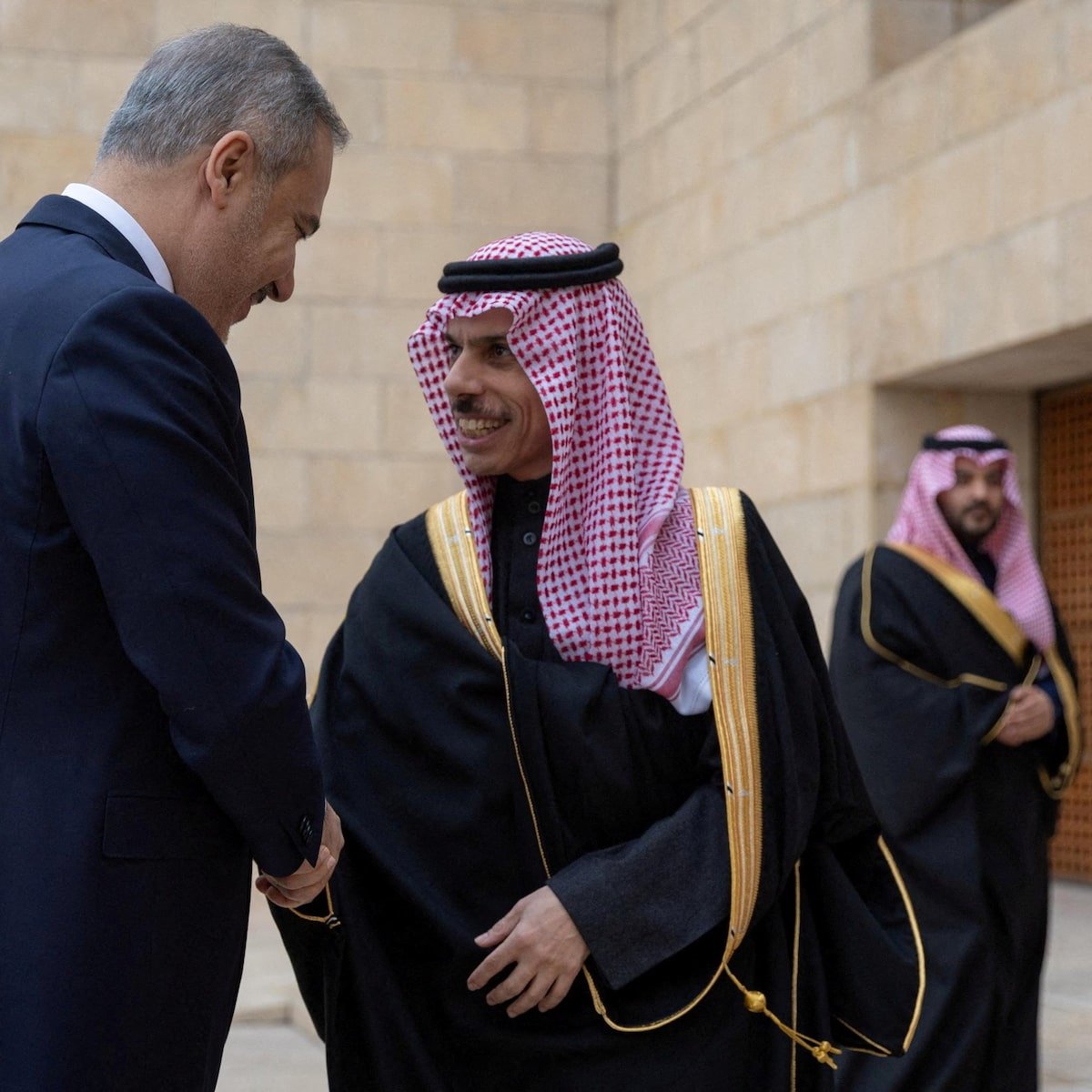
The development centers on an upcoming meeting in Ankara between Turkey’s foreign minister Hakan Fidan and Saudi Arabia’s foreign minister Prince Faisal bin Farhan.
During talks under the Turkey–Saudi Coordination Council framework, the two sides are expected to formalize an arrangement allowing visa-free travel for holders of certain categories of passports, including ordinary and diplomatic documents depending on the final scope of the deal.
What is confirmed is that the agreement is being prepared for signing and has been described through official diplomatic channels as ready for endorsement during the ministerial meeting.
The measure is presented as a reciprocal easing of entry requirements, aimed at simplifying travel between the two countries after years of tightening and uneven visa procedures.
The move sits within a broader diplomatic normalization process that has unfolded since the early 2020s.
Relations between Ankara and Riyadh deteriorated sharply after the 2018 killing of journalist Jamal Khashoggi at the Saudi consulate in Istanbul, an incident that triggered international outrage and a prolonged political rupture.
Since around 2020, both governments have pursued a deliberate recalibration, restoring economic ties, reopening high-level visits, and gradually removing political barriers.
The visa initiative reflects a practical layer of that reset.
Travel between Turkey and Saudi Arabia has already been partially liberalized in recent years through visa-on-arrival and electronic visa arrangements for some travelers, but the new agreement aims to reduce administrative friction further and standardize entry rules across categories of passports.
The underlying mechanism is diplomatic reciprocity: both states are using mobility agreements as low-risk tools to deepen economic, tourism, and investment flows without committing to more politically sensitive concessions.
Visa liberalization is often one of the earliest and most visible signals of normalization, because it directly affects business travel, religious tourism, and state-to-state coordination.
The stakes are regional rather than symbolic.
Turkey and Saudi Arabia sit on opposite but interconnected axes of Middle Eastern politics, competing at times for influence while also cooperating on trade, energy, and security coordination.
Easing travel restrictions reduces transactional friction for officials, business leaders, and pilgrims, particularly in sectors tied to tourism and religious travel.
For Saudi Arabia, the shift aligns with a broader strategy of expanding international engagement and diversifying partnerships beyond traditional Western ties.
For Turkey, it supports efforts to stabilize relations with Gulf economies that remain important sources of investment and capital inflows.
No major disputes have emerged around the agreement itself, but the precise scope of visa exemptions remains the key variable.
The arrangement is expected to be phased or limited by passport category rather than an immediate blanket exemption for all travelers.
If implemented as planned, the agreement will formalize one of the most tangible improvements in Turkey–Saudi relations since their diplomatic rupture and subsequent reconciliation efforts, consolidating a period of pragmatic engagement that has replaced earlier confrontation.
The meeting in Ankara is expected to conclude with the signing of the deal, after which both governments are likely to integrate the new visa rules into their respective border and consular systems, making cross-border travel significantly easier for eligible categories of citizens.
The development centers on an upcoming meeting in Ankara between Turkey’s foreign minister Hakan Fidan and Saudi Arabia’s foreign minister Prince Faisal bin Farhan.
During talks under the Turkey–Saudi Coordination Council framework, the two sides are expected to formalize an arrangement allowing visa-free travel for holders of certain categories of passports, including ordinary and diplomatic documents depending on the final scope of the deal.
What is confirmed is that the agreement is being prepared for signing and has been described through official diplomatic channels as ready for endorsement during the ministerial meeting.
The measure is presented as a reciprocal easing of entry requirements, aimed at simplifying travel between the two countries after years of tightening and uneven visa procedures.
The move sits within a broader diplomatic normalization process that has unfolded since the early 2020s.
Relations between Ankara and Riyadh deteriorated sharply after the 2018 killing of journalist Jamal Khashoggi at the Saudi consulate in Istanbul, an incident that triggered international outrage and a prolonged political rupture.
Since around 2020, both governments have pursued a deliberate recalibration, restoring economic ties, reopening high-level visits, and gradually removing political barriers.
The visa initiative reflects a practical layer of that reset.
Travel between Turkey and Saudi Arabia has already been partially liberalized in recent years through visa-on-arrival and electronic visa arrangements for some travelers, but the new agreement aims to reduce administrative friction further and standardize entry rules across categories of passports.
The underlying mechanism is diplomatic reciprocity: both states are using mobility agreements as low-risk tools to deepen economic, tourism, and investment flows without committing to more politically sensitive concessions.
Visa liberalization is often one of the earliest and most visible signals of normalization, because it directly affects business travel, religious tourism, and state-to-state coordination.
The stakes are regional rather than symbolic.
Turkey and Saudi Arabia sit on opposite but interconnected axes of Middle Eastern politics, competing at times for influence while also cooperating on trade, energy, and security coordination.
Easing travel restrictions reduces transactional friction for officials, business leaders, and pilgrims, particularly in sectors tied to tourism and religious travel.
For Saudi Arabia, the shift aligns with a broader strategy of expanding international engagement and diversifying partnerships beyond traditional Western ties.
For Turkey, it supports efforts to stabilize relations with Gulf economies that remain important sources of investment and capital inflows.
No major disputes have emerged around the agreement itself, but the precise scope of visa exemptions remains the key variable.
The arrangement is expected to be phased or limited by passport category rather than an immediate blanket exemption for all travelers.
If implemented as planned, the agreement will formalize one of the most tangible improvements in Turkey–Saudi relations since their diplomatic rupture and subsequent reconciliation efforts, consolidating a period of pragmatic engagement that has replaced earlier confrontation.
The meeting in Ankara is expected to conclude with the signing of the deal, after which both governments are likely to integrate the new visa rules into their respective border and consular systems, making cross-border travel significantly easier for eligible categories of citizens.