
Saudi Arabia Expands Global Health Role with Funding Push for Polio Eradication Research
New financial commitments and coordination efforts position Riyadh as a growing actor in global disease eradication campaigns, particularly against polio in remaining endemic regions
Global polio eradication efforts are being shaped by a SYSTEM-DRIVEN expansion of international financing and public health coordination, in which Saudi Arabia is emerging as a significant contributor through targeted funding and diplomatic engagement in disease elimination programs.
What is confirmed in recent developments is that Saudi Arabia has increased its financial and institutional support for global polio eradication initiatives, aligning with international health organizations and donor coalitions working to eliminate the virus from its remaining endemic and outbreak-prone regions.
Polio, a highly infectious viral disease that can cause irreversible paralysis, remains present in limited areas despite decades of vaccination campaigns.
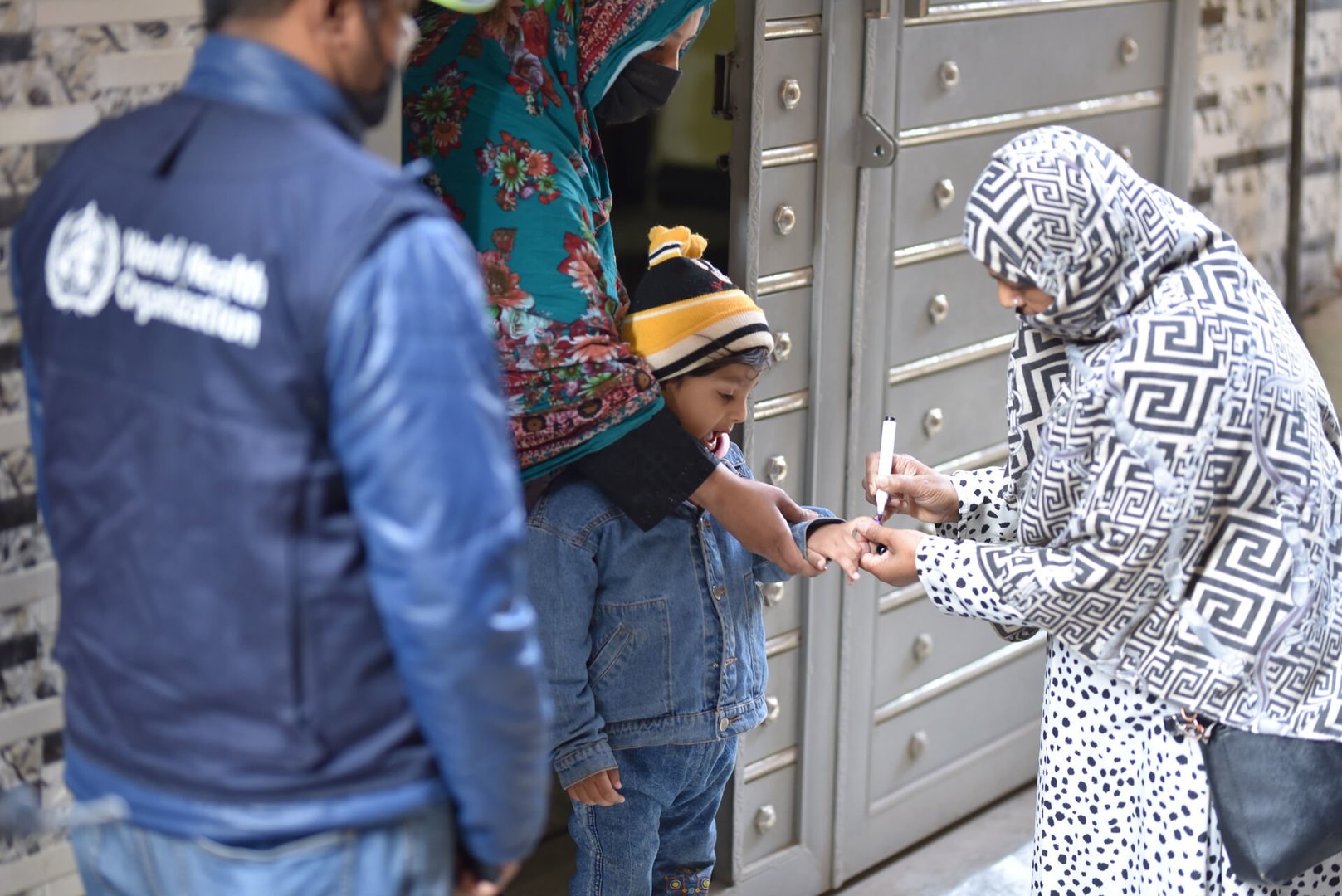
The funding support is directed toward research, vaccination campaigns, and surveillance systems that track virus circulation in high-risk regions.
These programs are typically coordinated through multinational frameworks involving health agencies, donor governments, and on-the-ground vaccination networks operating in countries where health infrastructure is strained or where security conditions complicate mass immunization efforts.
Saudi Arabia’s role reflects a broader pattern in which Gulf states increasingly participate in global health financing as part of their international development and soft power strategies.
By funding eradication efforts, states not only contribute to disease control but also strengthen diplomatic ties with affected regions and multilateral institutions.
Polio eradication remains one of the longest-running global health campaigns.
Despite major progress since the launch of coordinated vaccination efforts in the late twentieth century, the virus continues to persist in limited geographic pockets, primarily where vaccination coverage is disrupted by conflict, displacement, or logistical barriers.
These conditions allow the virus to re-emerge even in previously controlled areas.
The mechanism of eradication depends on achieving near-universal immunization coverage and maintaining long-term surveillance to detect and respond to new cases rapidly.
Funding gaps, vaccine access challenges, and misinformation campaigns have all contributed to setbacks in past eradication timelines, making sustained financial commitments a central requirement for progress.
Saudi Arabia’s increased involvement also reflects its broader engagement with global health diplomacy.
In recent years, the country has expanded contributions to international aid mechanisms, disaster relief efforts, and disease-specific campaigns.
These initiatives are part of a wider strategy to position the country as a key player in global humanitarian and development financing structures.
For the global polio eradication program, additional funding and political backing are critical at a time when the campaign is concentrated in its most difficult phase: reaching the final reservoirs of transmission.
These areas are often the hardest to access and the most vulnerable to interruption of health services.
The broader implication is that disease eradication efforts are increasingly dependent not only on scientific progress but also on sustained geopolitical commitment.
Saudi Arabia’s expanded role adds financial capacity to a long-running global campaign that remains incomplete despite decades of coordinated international effort.
What is confirmed in recent developments is that Saudi Arabia has increased its financial and institutional support for global polio eradication initiatives, aligning with international health organizations and donor coalitions working to eliminate the virus from its remaining endemic and outbreak-prone regions.
Polio, a highly infectious viral disease that can cause irreversible paralysis, remains present in limited areas despite decades of vaccination campaigns.
The funding support is directed toward research, vaccination campaigns, and surveillance systems that track virus circulation in high-risk regions.
These programs are typically coordinated through multinational frameworks involving health agencies, donor governments, and on-the-ground vaccination networks operating in countries where health infrastructure is strained or where security conditions complicate mass immunization efforts.
Saudi Arabia’s role reflects a broader pattern in which Gulf states increasingly participate in global health financing as part of their international development and soft power strategies.
By funding eradication efforts, states not only contribute to disease control but also strengthen diplomatic ties with affected regions and multilateral institutions.
Polio eradication remains one of the longest-running global health campaigns.
Despite major progress since the launch of coordinated vaccination efforts in the late twentieth century, the virus continues to persist in limited geographic pockets, primarily where vaccination coverage is disrupted by conflict, displacement, or logistical barriers.
These conditions allow the virus to re-emerge even in previously controlled areas.
The mechanism of eradication depends on achieving near-universal immunization coverage and maintaining long-term surveillance to detect and respond to new cases rapidly.
Funding gaps, vaccine access challenges, and misinformation campaigns have all contributed to setbacks in past eradication timelines, making sustained financial commitments a central requirement for progress.
Saudi Arabia’s increased involvement also reflects its broader engagement with global health diplomacy.
In recent years, the country has expanded contributions to international aid mechanisms, disaster relief efforts, and disease-specific campaigns.
These initiatives are part of a wider strategy to position the country as a key player in global humanitarian and development financing structures.
For the global polio eradication program, additional funding and political backing are critical at a time when the campaign is concentrated in its most difficult phase: reaching the final reservoirs of transmission.
These areas are often the hardest to access and the most vulnerable to interruption of health services.
The broader implication is that disease eradication efforts are increasingly dependent not only on scientific progress but also on sustained geopolitical commitment.
Saudi Arabia’s expanded role adds financial capacity to a long-running global campaign that remains incomplete despite decades of coordinated international effort.